The Wilkin family on the Roll of Honour
The Roll of Honour lists 132 names, those who served, as well as those who died whilst serving. There are multiple enlistments of the same surname, brothers and cousins, and at least one father and son pair. Whilst not quite the same number as the Nobes family, with six family members serving, the Wilkin family follows close behind with five, comprised of four brothers and a cousin.
Whilst I had begun researching the Wilkin names as part of the 2014-19 commemorations, it was the recent addition of WW1 era pages from Norfolk News in the British newspaper Archive that brought images of the four Wilkin brothers to my further attention:
A WIDOW GIVES HER ALL.
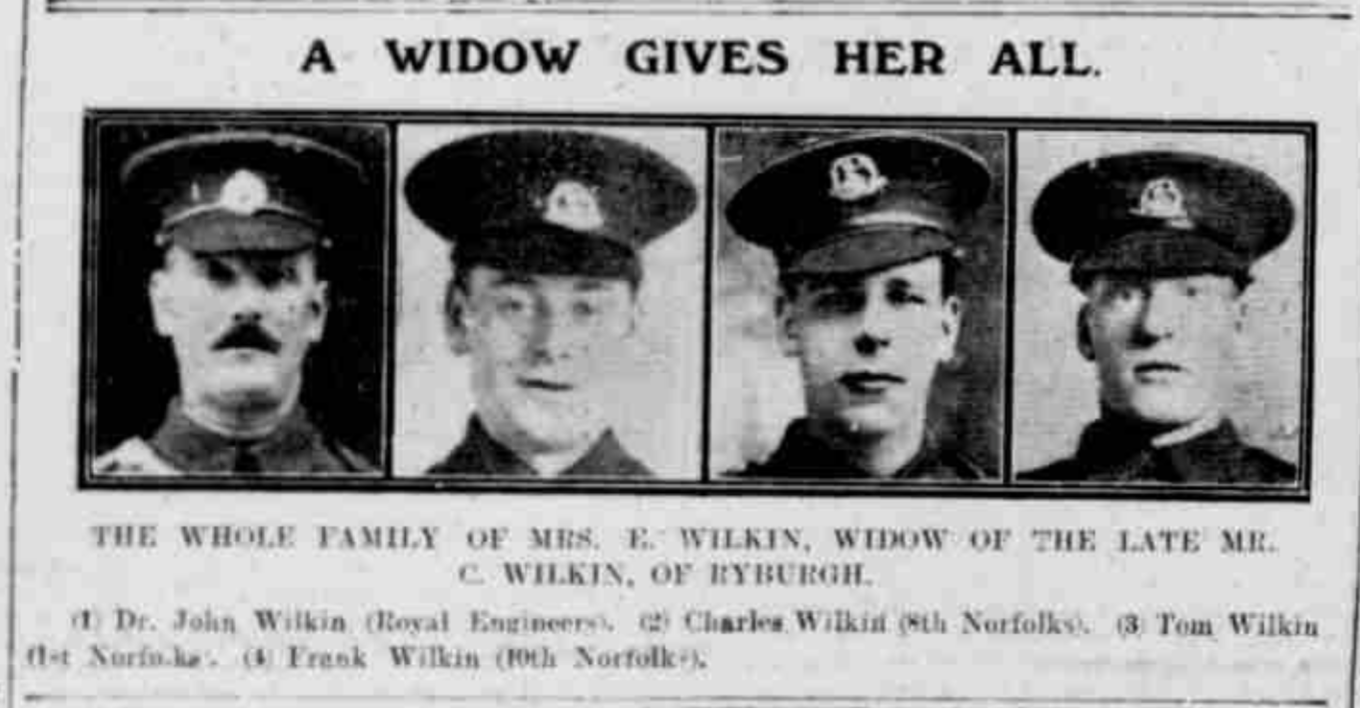
THE WHOLE FAMILY OF MRS E WILKIN, WIDOW OF THE LATE MR.
C. WILKIN, OF RYBURGH.
(1) Dvr. John Wilkin (Royal Engineers). (2) Charles Wilkin (8th Norfolks). (3) Tom Wilkin(1st Norfolks). (4) Frank Wilkin (10th Norfolks).
That widow was Elizabeth Dorothy Wilkin, born in March 1856, the daughter of John Dix (or Dicks) and Mary Thompson.

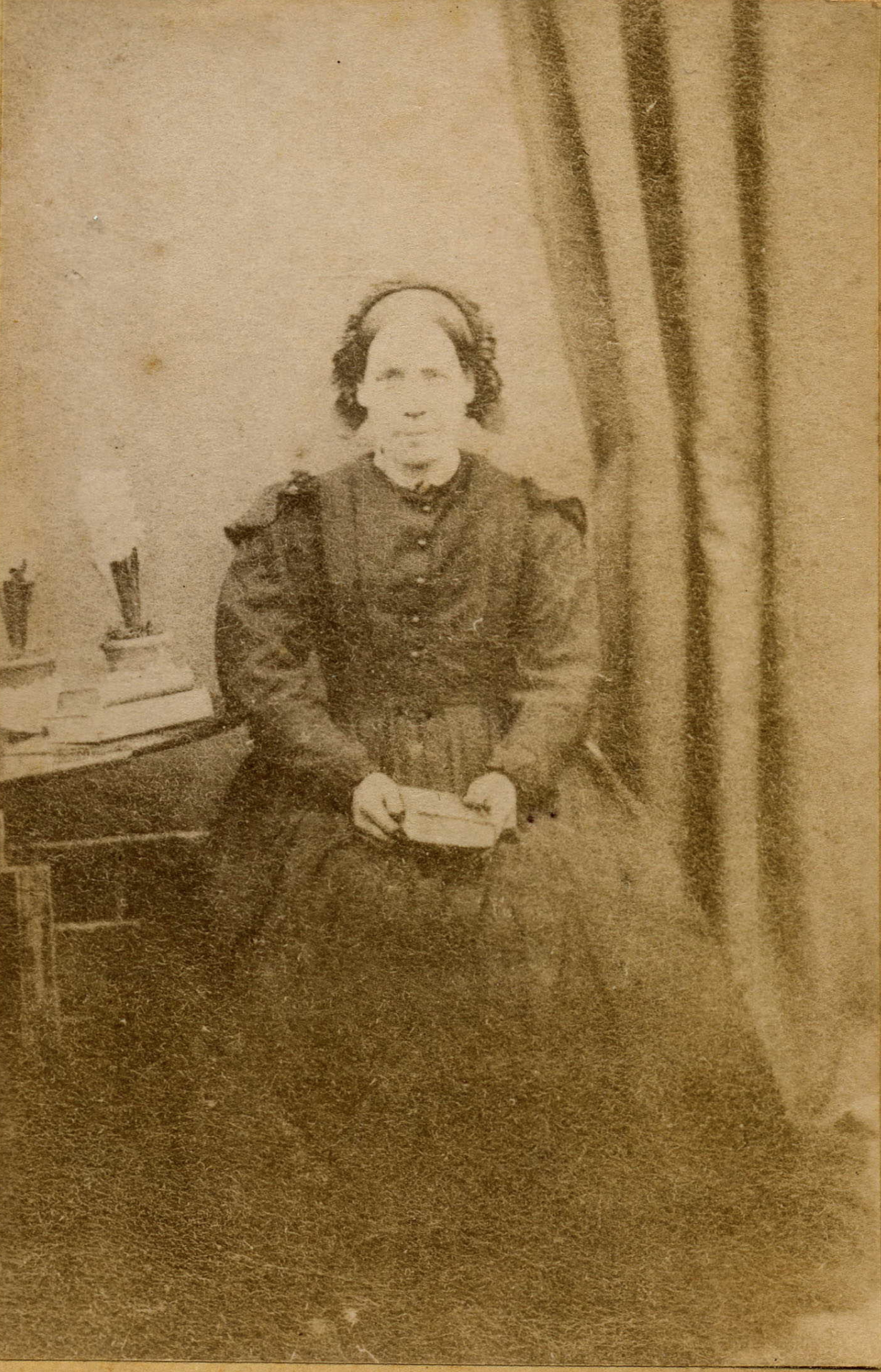
John Dix 1825-1905 Mary Thomson 1828-1892
Elizabeth had given birth to two daughters prior to her marriage to Charles Wilkin in1886, quite possibly to different fathers. The elder, Dinah Dorothy Dix b. 21/6/1876 and her sister, Adelaide Dix Kemp b. 4/1/1884 seem to have been brought up locally by grandparents, John and Mary Dix and both entered service at an early age, in Fakenham and later further afield.
Dinah married a Danish gardener from Scotland in 1899. They were married at the parish church of Kew as she had been working in nearby Richmond as a domestic servant since at least 1891. They moved to Scotland and had 4 children by 1908 the year when sadly her husband, Claudius Jørgensen died. The family remained in Partick until 1920/21 when she moved to Denmark where she remained until she died in 1939. Her two sons emigrated to Wisconsin, USA in 1922 and 1930 but the two daughters remained with Dinah in Denmark. The elder married and the younger remained a spinster until her death in 1954 aged just 46.
Adelaide was in service in East Sheen and was rather older when she was married to John Henry Marshall on 20th March 1922. He had seen service in WW1, enlisting 11th. December 1915 in the Royal Garrison Artillery. John Marshall died in 1936 and their only child, a son, Harold John Marshall died in 1996. As an illustration of how complicated family relationships can be, both their mothers were each other’s half sisters and so Adelaide and John Marshall had the same grandmother in Mary Thompson, wife of John Dix.
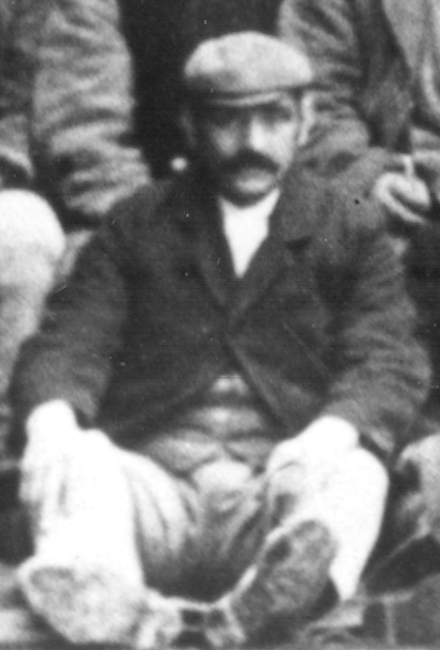
Charles Wilkin Snr. taken as part of the Maltings workforce in 1901
Husband, Charles Wilkin (1863-1913) was the youngest son of Thomas Wilkin and Ann Overman who were married at St. Andrew’s on June 17th 1849. His two older brothers Thomas and George are the link to William Wilkin who is the 5th Wilkin name on the Roll of Honour. Charles himself was the younger partner of the couple and although there is scant evidence from the census returns, it suggests he was not inclined to bring up his new wife’s two daughters. As well as their four sons, they had a daughter Frances born 7th March 1896 but who died in 1910. She is specially remembered in the school log book for July 22nd that year.
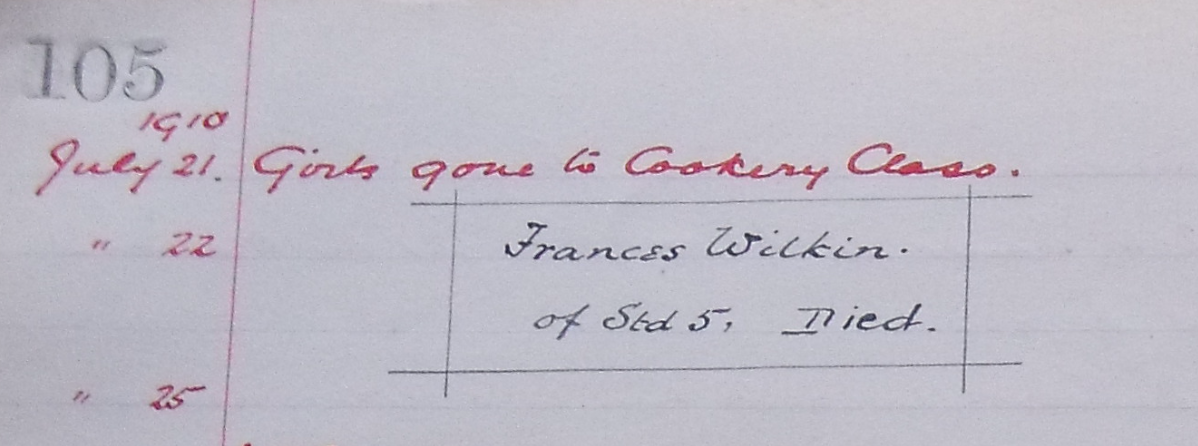
There is also a report found in the Thetford and Watton Times for July 30th 1910:
GREAT RYBURGH.
THE LATE MISS WILKIN — The funeral of Frances Wilkin, only daughter of Mr. and Mrs. Charles Wilkin, took place here on Tuesday. Deceased was a scholar of the Church of England Day School and of the Primitive Methodist Sunday School. The teachers of the Sunday School acted as bearers and a procession of about forty upper standard Day School girls bearing flowers, attended, accompanied by the headmaster. The service was conducted by the Rev, H.F. Tatham (Rector) and Miss Ely presidedat the organ.The school girls and choir
boys gave a very feeling rendering of "Hark hark my soul" as the procession entered the church and after the reading of the lesson they
sang the anthem : "Angels ever bright and fair ' with much sweetness and taste.The grave was strewn with many lovely wreaths.
John Thomas Wilkin b.1st Feb 1887- d.1953
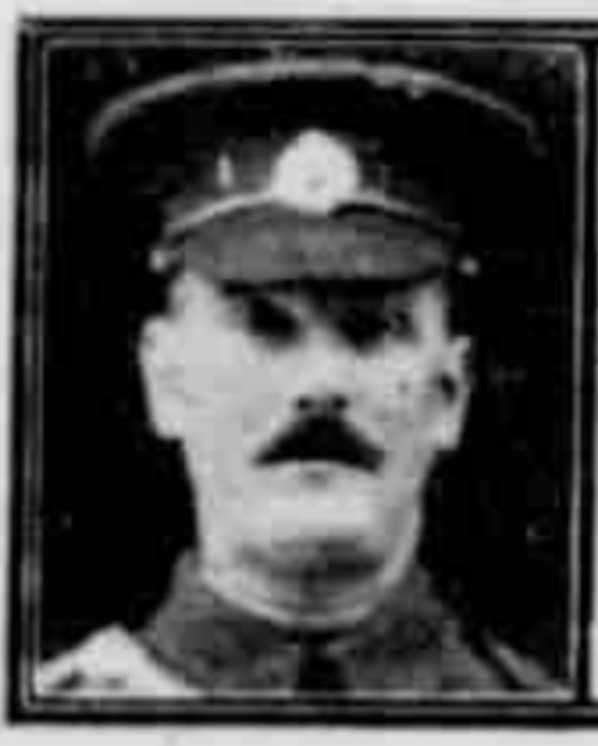
John was the eldest child of Charles Wilkin and Elizabeth Dix/Dicks he was born in Great Ryburgh before the family move to Gateley in the early 1890’s. They were of the Primitive Methodist persuasion and it is from their records that his baptism is recorded on April 7th 1887. He first worked, as was common in the village at the time, from the age of 14 as an Agricultural and Maltster’s Labourer, depending on the season. The 1911 Census shows that in his 20’s he had a spell as a “fish hawker”
He enlisted on September 21st 1914 with the Royal Engineers finishing the War as L/Cpl with 17th Div. Signal Coy.
He married Ernest Thompson’s sister Florence Elizabeth (b. 22nd March 1888) at St Andrew’s on December 29th 1917, and was demobilised by transfer to the Army Reserve on 18th Feb 1919. After the War the couple had two sons, John b, 1921 and Anthony b.1926 and he was employed at F.& G. Smith’s Dereham Maltings. From there in the 1930’s the family moved to Narborough where he became foreman Maltster at the Maltings there. This was owned by Vynne &Everett Ltd, who also owned the old Bone Mill premises, an important industrial site that has undergone restoration since the turn of the last Century. He retired in 1952 remaining in Narborough until his death the following year.
Frank Wilkin b.27th. February 1890 – d.19
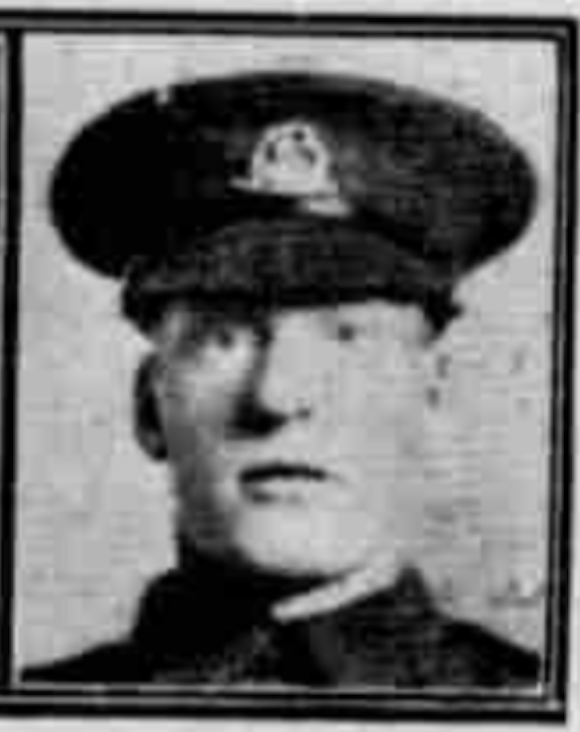
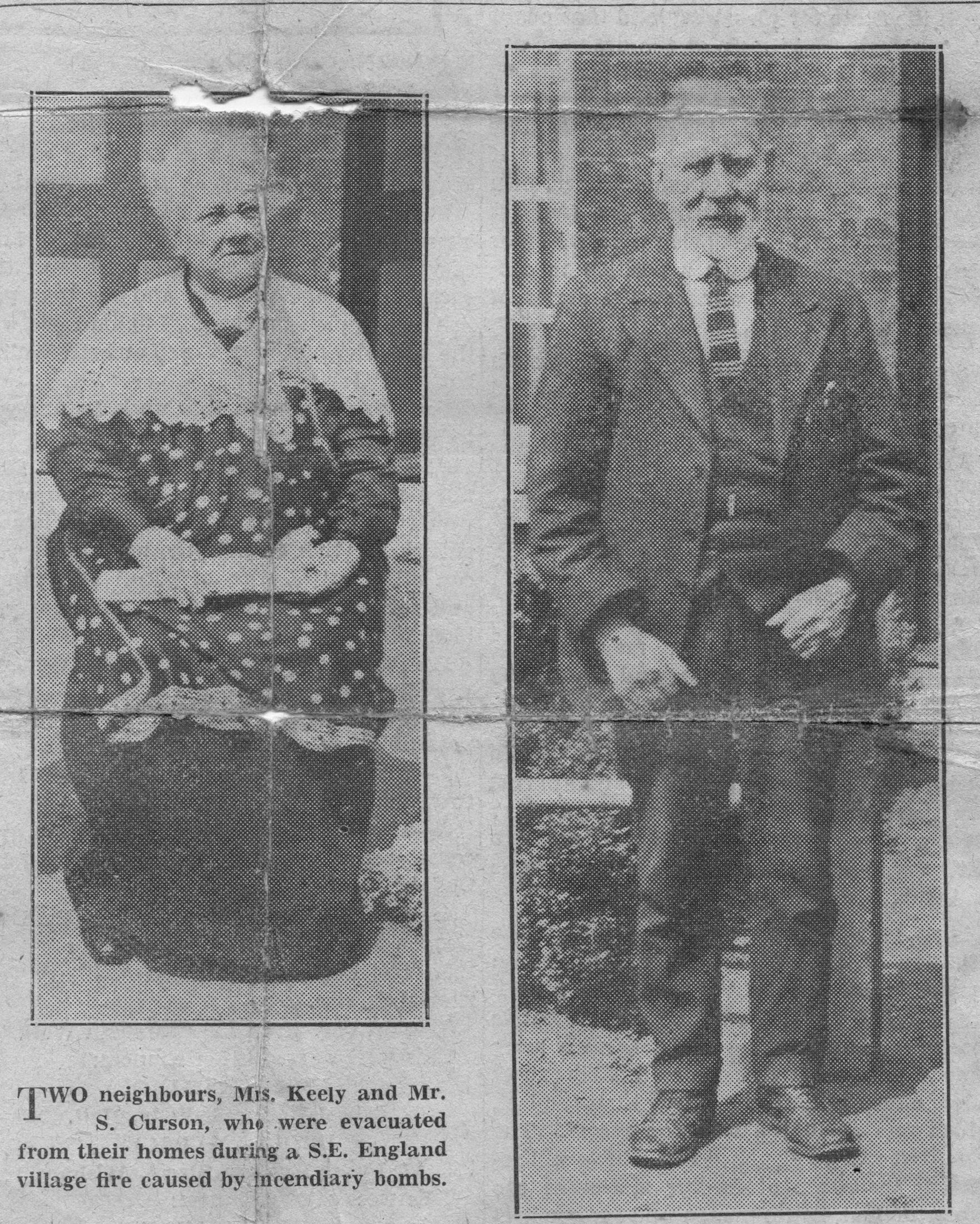
Frank, the second eldest son was born on 27th February 1890 at Gateley if the 1891 Census is to be relied on although all other Census returns say Great Ryburgh. He worked as a maltster’s labourer prior to enlistment and as the newspaper says, with the 10th Norfolks in 1915. His award of just the Victory and War medals were issued as from the 2nd Norfolk Regiment and would also suggest that he enlisted after brother John. He was one of the last of the Ryburgh men to return to the village after the War getting a mention in the Parish Magazine for December 1919 along with Percy and Bert Platten. He had married Daisy Emma Keeley the daughter of retired Testerton Farm Bailiff, William Keeley on November 9th 1915 after the banns were called in October / November at St. Andrew’s. At that time he was stationed at the Hyderabad Barracks in Colchester. After the War he returned to work on the land at Gateley for “W Case Farmer” (Possibly Walter Case who farmed at Kettlestone?) living with his wife and mother-in-law Emma Keeley in the Maltings cottages at the rear of the Maltings. Soon after, he made a change of employment which is shown as being a “salesman” in the Baptism register entry for their only son Colin William Frank Wilkin, born February 26th 1925. He is more clearly defined as a “drapery salesman: in the 1939 Register, still with the address of Maltings Cottages. These premises were affected by the bombing of the Maltings in August 1940 and which necessitated the evacuation of all the tenants from the houses, including 88 year old Emma Keeley and , one assumes, her family. She was pictured in the Norfolk Chronicle on 30th August 1940 as part of the reporting of the bombing and a battered copy survives in the Church records ….possibly because the Rector’s daughter Drina Tatham had helped man the pumps as they fought the fire and gets a mention in the reportage.
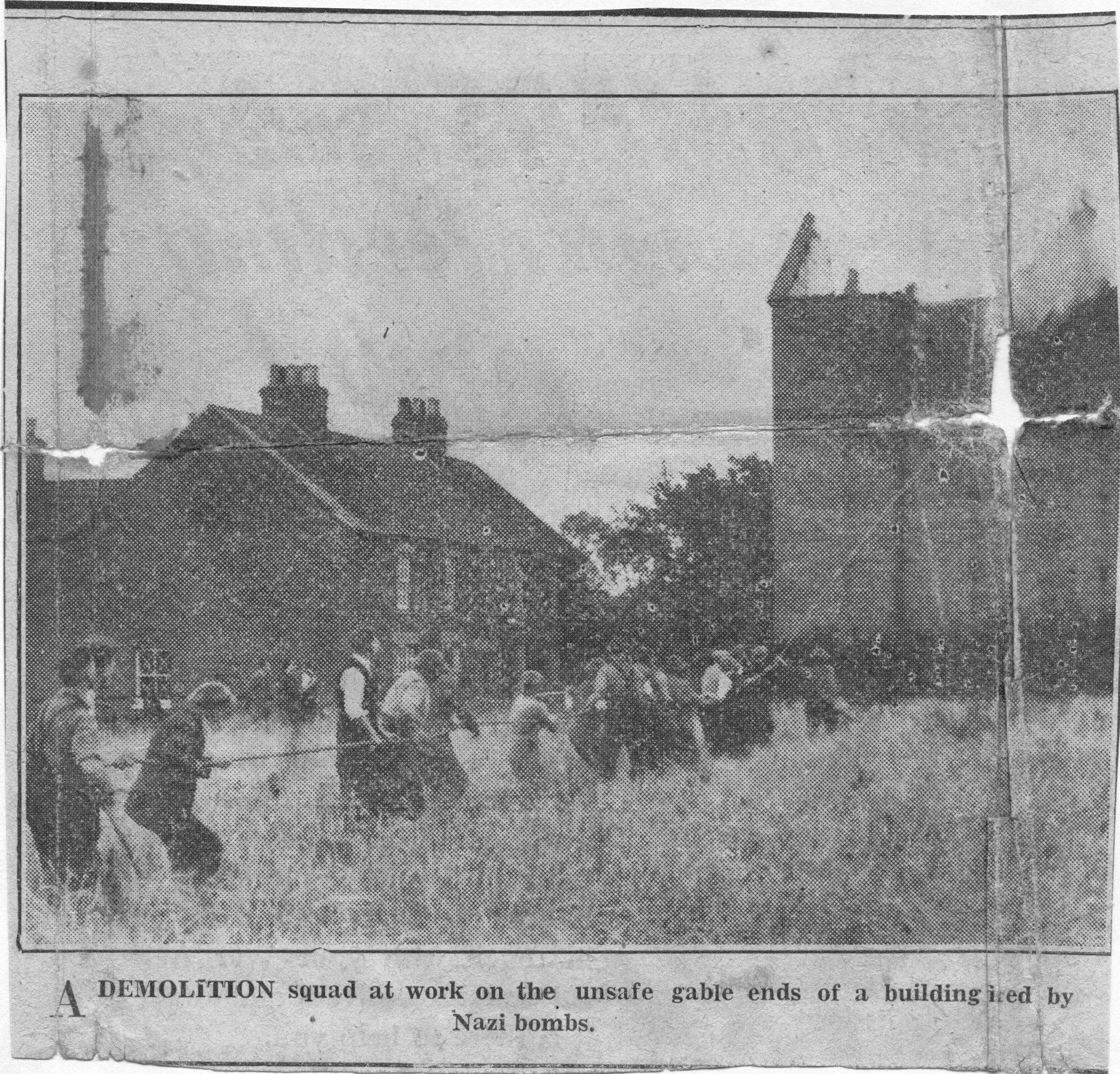
Below is a transcription of the article and the accompanying photos
Old People Evacuated From Cottages
"Everyone Was Magnificent"
Nobody was injured and not even a pane of glass was blown out of houses when a number of high explosive bombs straddled a S.E. English village on Sunday night.
Serious damage, however, was caused by fire at some maltings, property worth thousands of pounds being burnt out.
Large craters were caused by the high explosive bombs, and in one case, where a bomb fell less than a hundred yards away from cottages, there was no sign of damage to property. One of the biggest holes was made in some marshy ground.
Small fires caused by incendiary bombs were extinguished by the village A.R.P. workers, but it appears that the outbreak in the maltings was caused by bombs which buried them-selves in seeds or corn, and were not noticed. A local fire brigade was summoned, but before its arrival many willing helpers set to work to deal with the flames as well as they could. One of those assisting to man a pump was the rector's daughter.
TENANTS EVACUATED.
At the rear of the maltings the tenants were evacuated from four cottages which were in danger through a possible collapse of parts of the blazing buildings. Furniture was also moved from the houses, much help being given by women and girls of the village. A member of the Home Guard said "Everyone was magnificent; they said. kept themselves cheerful by singing and making jokes at Jerry's expense."
Accommodation for the evacuated people was provided at the Rectory and other houses in the village. Among them was Mrs, Emma Keely, who is 88, and who was carried from her home on a stretcher by A.R.P. workers. The stretcher bearers were machine gunned while on their errand of mercy. Her neighbours included Mr. Sam Curson, who is 84, two old age pensioners, Mr. and Mrs. Frank Barnes, and the district nurse.
An official at the maltings told one of our reporters: "I went along the maltings to see if everything was all right during the night. I thought it was all right, and there was no sign of fire. I then went home and had just got into bed when I was called and told that the maltings were on fire. When I got to the maltings the whole place was like one furnace.”
He went on to say: "We intended to start malting this week, and now probably 20 men will be out of a job. We just managed to save the mill and other parts of the premises." He concluded by saying: "Many tons of corn and seeds were destroyed, and the damage is estimated at thousands of pounds." An eye witness living near the village told our reporter that "The fire was one of the biggest in the district for many years. Flames shot many feet into the air, and clouds of smoke covered the countryside." He added: "The glare could be seen at a distance of 30 miles.and residents in neighbouring villages could hear the crash of the falling roofs and walls."Firemen were machine-gunned during the course of their work….. clipping runs out here
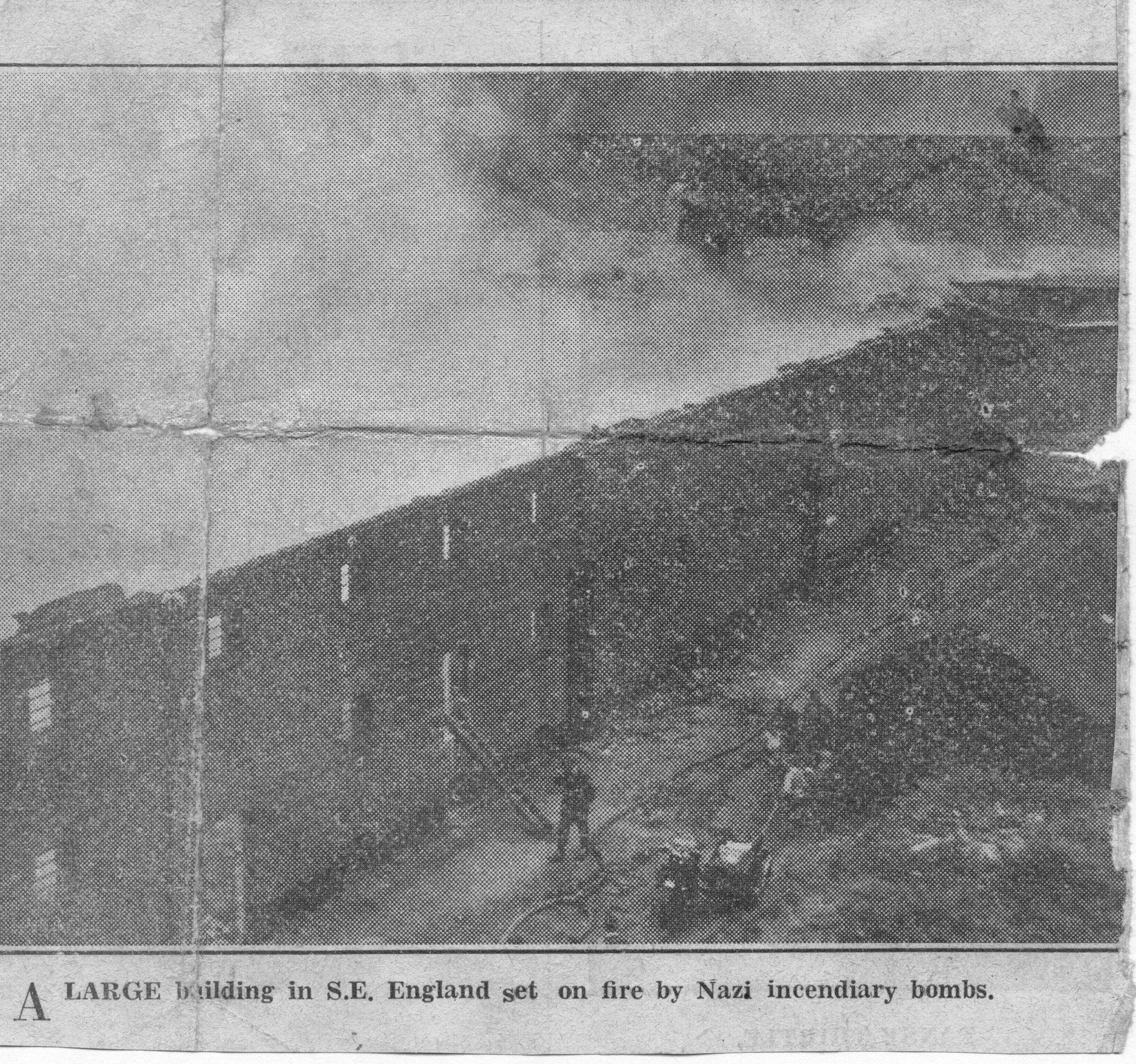
We have been unable to find out much more about Frank and Daisy although it looks as if Daisy died around October 1975 with registration taking place at Ipswich. Frank’s death has been harder to find, and the nearest match found points to April 1961 with registration taking place at Hitchen. It has not been possible to verify this information any further at this time. Son Colin married Hilda E.Watling in July 1946 with registration taking place at Fakenham.
Thomas Wilkin M.M. b.16th. January 1893 – d.19?
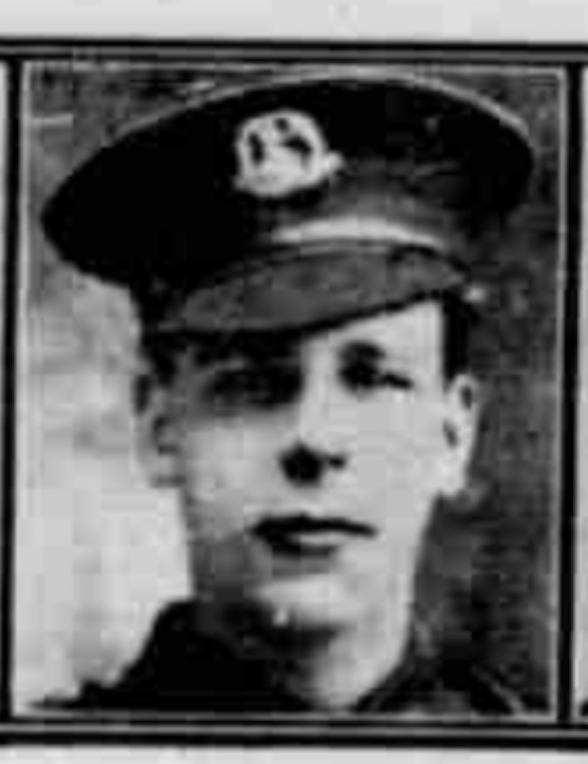
Thomas the third son was employed, following school, as a moulder at the Farmers Foundry. His service record is the only one of the four brothers to have survived the catastrophic damage caused by fire in the Blitz. It shows that he enlisted on September 1st 1914 for one year’s service with the (Army Reserve) 3rd. Norfolk Regiment 14039. and was first posted to France from April 8th 1915. In September 1916 he was diagnosed with “Shellshock and Synovitis Right Knee” and returned to the UK on November 3rd 1916 in December he was “Supplied with an Elastic Knee cap for right knee.” He was transferred to the 5th Inf. Labour Corps of the Northamptonshire Regiment and again posted to France on March 25th 1917. He was awarded the Military Medal in Dec 1917 having been promoted in November that year as Acting Sergeant (paid) in the field. By February 1918 he was given UK leave, was confirmed in the rank of Sgt. and married Margaret Linley on February 5th at Walsingham. The Registrar was R.J, Sydney and the witnesses were Alice Slegg and A.G.Utting.
From his record we read that he was 5ft 8 ¼ inches tall weighed 128 lbs with Blue eyes and Brown hair. C of E is ticked on the form and he was without “distinctive marks” He was posted to 728 Labour Coy on Jan 10th 1919 and transferred to Class “Z” Army Reserve on demobilisation on June 5th that year.
The 1939 Register provides the information for the next part of the story and shows that Tom and Margaret had two sons, Peter John Wilkin born 28th April 1923. and also Thomas F Wilkin in 1924 though he doesn’t appear with the family in that register entry. However it also shows that Margaret Linley born 1st February 1896 had married again to Henry Osbourne Milbourne Jackson born 14th December 1900 and was living in Berkhamstead in Hertfordshire with son Peter and daughters Dinah Jackson born 1st March 1928. and Angela Bridget Jackson born 1st February 1934 There would seem to be a redacted record between Dinah and Angela’s entries indicating a further child. More research shows that Margaret and Henry Osbourne married in July 1932. As for Thomas, we have been unable to find either a death or divorce record between the birthdates of the named Wilkin and Jackson children born to Margaret Linley and so regrettably, Thomas’ particular story just runs out.
Charles Wilkin b.30th. December 1894 – d.1968
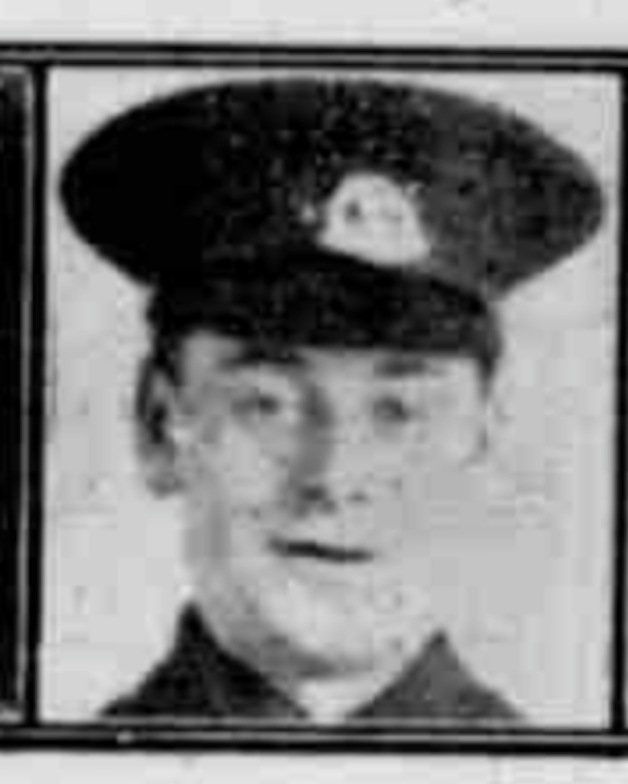
Charles, the youngest son enlisted with the 8th Norfolks as Pte. 13522 and first saw service in France on July 25th 1915. He was assigned to the Labour Corps as Pte 522419 and was
and was wounded as seen in a parish magazine report September 1917:
“Harry Daines, Charles Wilkin and Arthur Rounce have been wounded but the last reports say they are going on well.”
He was awarded the 1915 Star, War and Victory Medals and demobilsed to the Army Reserve in March 1919 returning to Ryburgh that year according to the Parish Magazine.
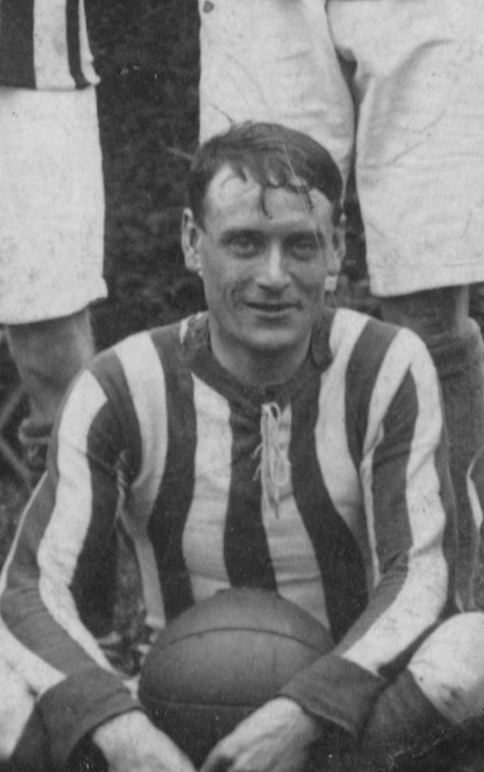
Charles Wilkin pictured on the 1919-20 Ryburgh Swifts team photo
By the time of the 1921 Census he had returned to work as a farm labourer for Arthur John Savory at Highfield living in one of the farm cottages with his now widowed mother. Charles senior had died in September 1913 and had been buried at St Andrew’s by a Primitive Methodist Minister.
A report in the October 1921 issue of the Parish Magazine has more to say about Charles’ football career when writing about the post war Ryburgh Swifts team:
“We shall miss our splendid Captain Mr. Alec. Savory, but we are very glad to have as his Successor, Mr. Guy Savory. Also we shall miss, and are very sorry for the cause (his old wound broken out again), Charles Wilkin, who has been a champion centre forward for Ryburgh and served us well as as Vice Captain.”
On the 29th December 1922. Rector F.H. Tatham provided the necessary certificate showing that the Banns had been called on the three preceding Sundays which would allow for his marriage to Harriet Ellen Wells from Fakenham to take place. The legal registration appears in the index for the 1st Quarter of 1923. Whether they were married in Fakenham in a Primitive Methodist ceremony, at the Parish Church or the Registry Office is not known, but married, they were. They had two sons, Charles George born 26/6/1923 and Cyril Frederick born 25/11/1928. Tracing Charles George Wilkin has been difficult in the readily available records and the only mention of a Charles Wilkin that I have found is on the provisional typescript Roll of Honour for WW2 where that name is linked to the Royal Marines
The last we see of the family is in the 1939 Register when they are living in Mill Road and Charles is still working on the land. His mother Elizabeth had died and was buried at St Andrew’s in March 1931 aged 75. Harriet died in 1960 and Charles in 1968.
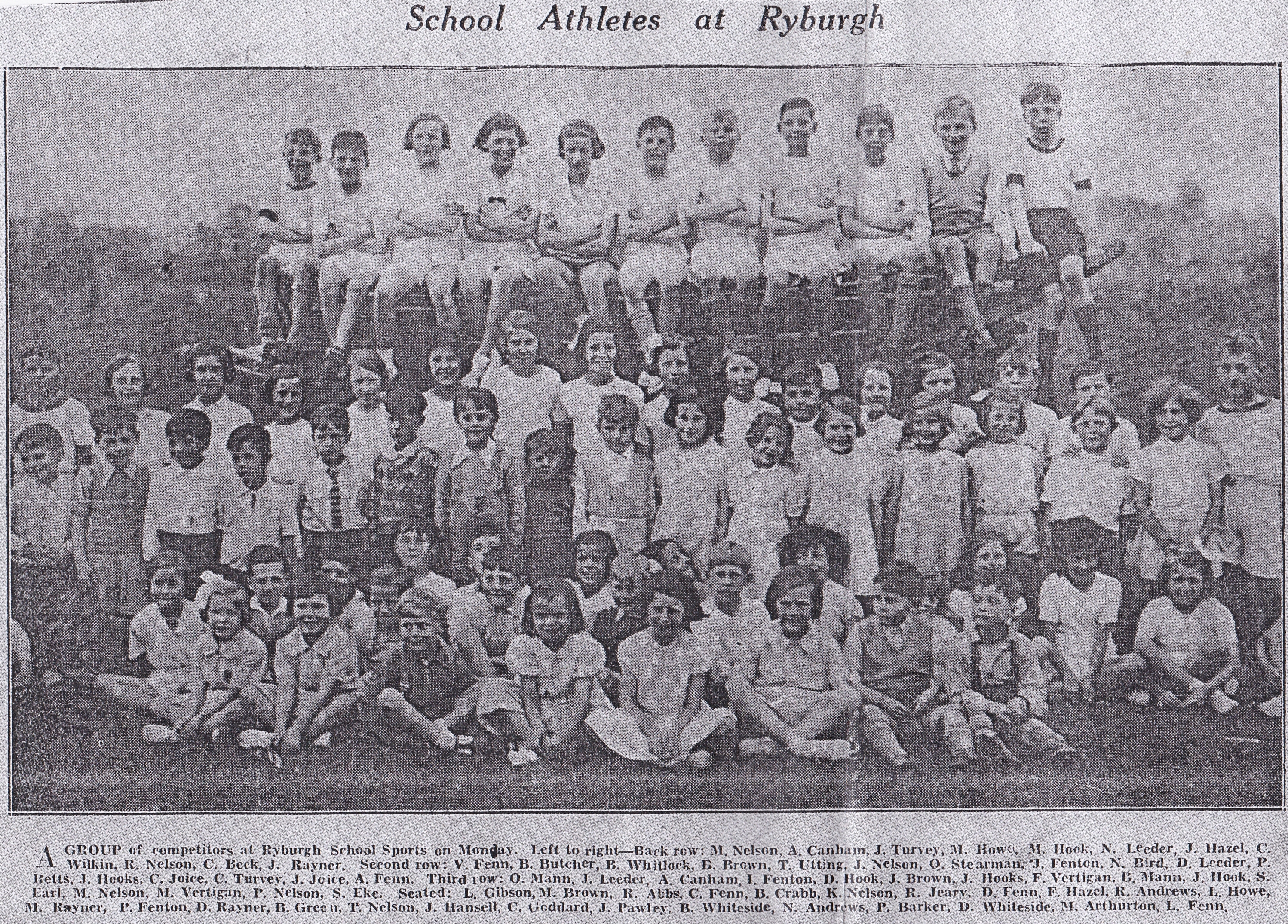
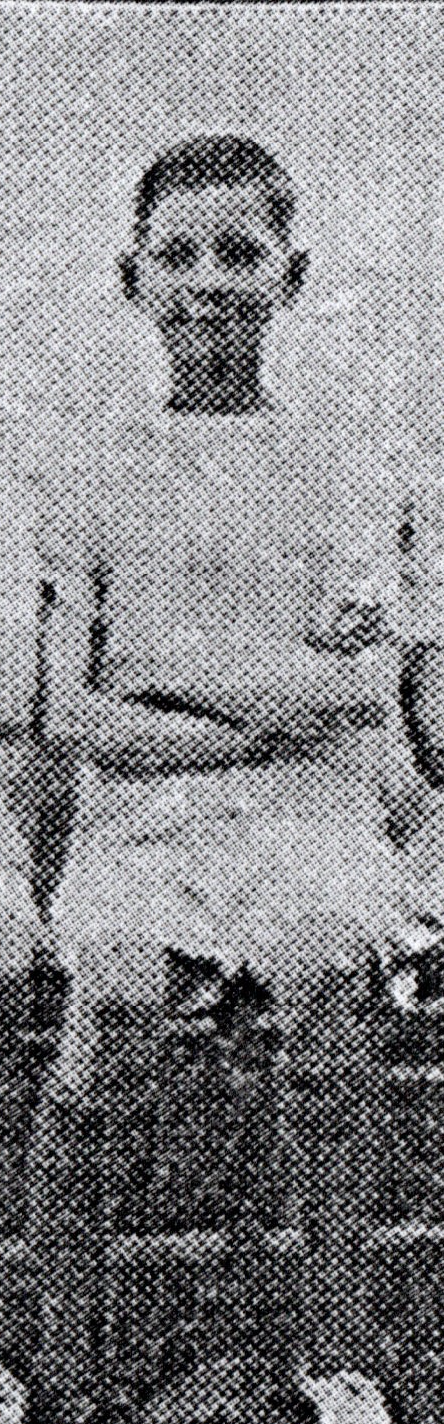
Younger son Cyril Wilkin sitting on a farm wagon (back row) at the School sports.
and more clearly:
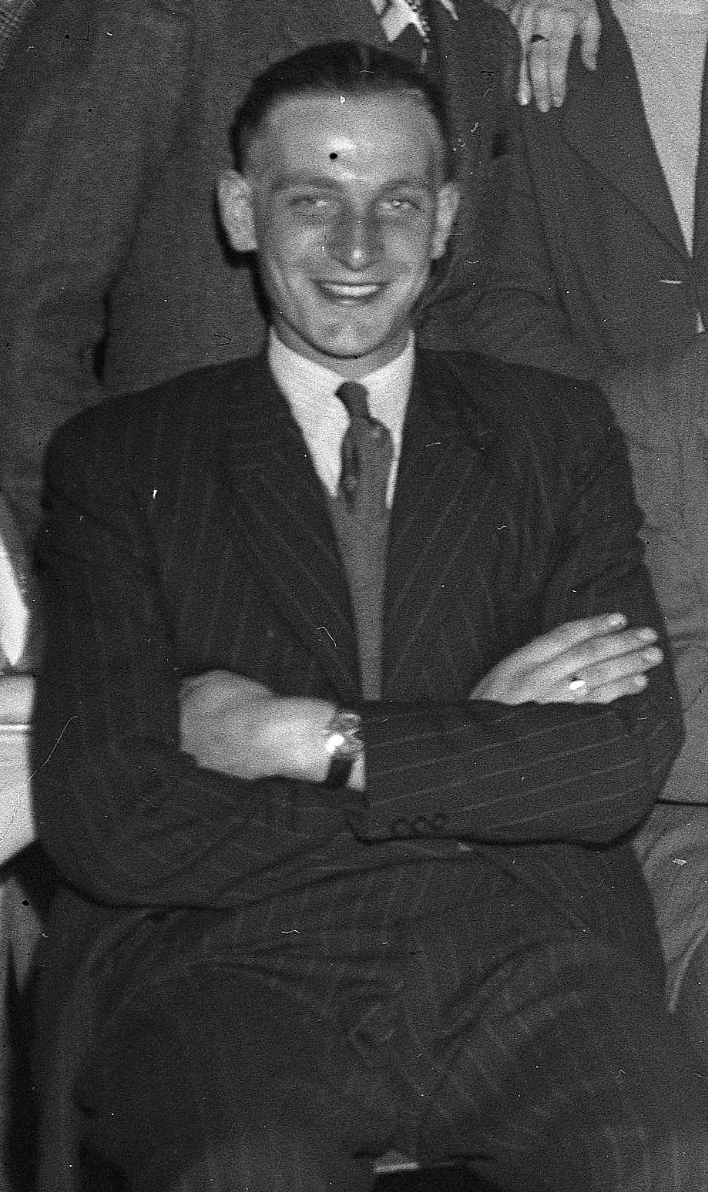

At the 1950 Football Club dinner in the Rectory Barn. and in the 1951 Football Team photo.
William Wilkin May 5th 1894-April 1969
Thomas Wilkin 1822-1895 and Ann Overman 1827-1874 married at St Andrew’s on June 17th 1849 and their eldest son, also Thomas, was born in December 1849 and baptised at St Andrew’s on Jan 6th 1850. They went on to have seven children, 4 sons and 3 daughters. Youngest son Charles was the father of the other four Wilkin names on the Roll of Honour. The conveyance document of the sale of the Primitive Methodist Church shows that one of the original Trustees in 1881 was Thomas Wilkin and although it is not clear which Thomas, it is more likely to be the father, who outlived his son by eleven years.
Thomas the eldest son married Sarah Ann Starling from Tuttington near Aylsham in the 4th quarter of 1871 and they went on to have 6 children before he died in 1884, shortly after the birth of their youngest son Arthur Wilkin (1884-1960). As seems often to be the case “sporty’ family members get photographed as team members. This is just the case with Arthur where he is named and identified in the 1904 cricket team and the 1905 Marshall Trophy photographs:

Arthur Wilkin in 1904 Cricket Team
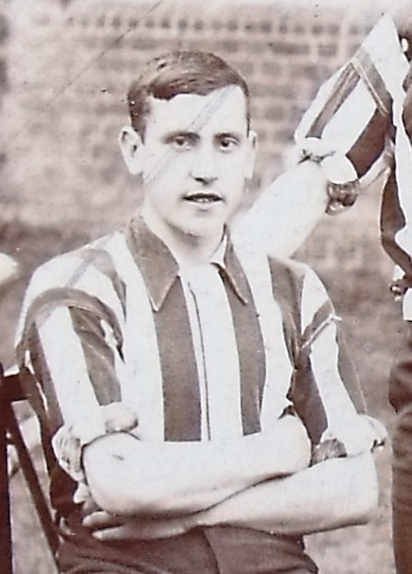
Arthur Wilkin in the 1905 Marshall Trophy Team
Following Thomas’ death, the family seems to have been supported by his younger brother George who resides with widow Sarah (who is designated “head” in the 1891 Census) and her children. In subsequent census returns he is classed as “brother in law” and “lodger” and this situation remained until her death in 1948. This rather implies that George was the father of the two subsequent Wilkin children, Mary Ann born 28th October 1891 and William born in 5th May 1894. In fact, on the marriage registration certificates of both children, George Wilkin is given as father.
In looking into William’s family history we find another WW1 casualty with a Ryburgh connection in the same vein as others that have been included in our Not on the Roll of Honour pages
Mary Ann Wilkin, we assume, William’s full sister worked as a housemaid after leaving school. By 1911 she is visiting her “cousin” Francis Wilkin (In fact she was Thomas and Sarah Ann’s daughter and therefore her half sister) Whilst staying with them she met and married Frederick Charles Rigaux born January 2nd 1889 a wholesale drapery salesman and warehouseman. He was the youngest child of Francis Gabriel Rigaux and Amelia Smith. He had two surviving sisters, Stella Amelia and Madeline Florence. An older brother, Francis died aged 6 in 1876 . His father is no longer named in subsequent census returns following Frederick Charles’s birth but it has not been possible to discover any death date so far.
Frederick Charles Rigaux joined the 1/16th London Regiment as a Bugler and was first posted to France on November 1st 1914 but died of wounds on June 18th 1915 and is buried in the Hop Store Cemetery in Ieper (Ypres) Plot I. Row E. Grave 27.
Following his death, Mary Ann lived in the Liverpool area and in July 1940 when working as the manageress of a pork butchers, she married George A. Short, a Ministry of Labour Clerk with whom she was living at the time of the 1939 Census. She died in January 1983.
There is little early information about William save that he worked as a farm labourer possibly alongside his father/uncle George. His service record did not survive the blitz damage to these records but his medal index card and the medal rolls tell us that he began his service on 7th April 1915 with the Norfolk Regiment Labour Corps and was discharged on 7th May 1919 He is mentioned in a report in the Parish Magazine from June 1917:
"We have received too, the sad news that Stanley Curson is missing, but trust yet we may hear of his being found as W. Wilkin in a Red Cross Hospital.Ernest Adcock, Dennis Leach, William Wilkin, and Albert Tash have all been in hospital, but are progressing favourably. Ernest Betts is home discharged from the army with a stiff right arm".
Once back in Ryburgh he resumed work on the land as a labourer/teaman for C.T. Joice probably at Testerton On January 24th 1920 he was married at All Saints Stibbard to Alice Mildred Voutt where they began life together, living with Alice’s family. At the time of the 1939 register they are living at Hill Farm Wellingham and William is described as “Batman RAF Station” 14 year old son Keneth is described as “seeking work not previously employed” His death was registered in Fakenham in April 1969
If you can add more to any of these family histories, we would be very pleased to hear from you.
copyright 2026