January/February 2026
I get asked a number of questions on a regular basis when I am down at the church, the most F.A.Q. concerns the age of the church to which there is a short answer or one that is a little more detailed, so I always need to guage my response to the occasion! Another is one where I am asked for population size of the village as an illustration of the context of the ancestor about whom enquiries are being made. If the required dates are within the compass of the Census returns since 1841 that is a relatively simple one with which to deal. It is very much harder to answer the question prior to those dates.
Many of you reading this column will be well aware of the effects of changing monarchs on the organisation of the English church in the 16th Century. Apart from the fact that we got the King James Bible, I was rather less aware of the situation upon the death of Elizabeth 1st. and the accession of James 1st.In 1603. James, a Scot, it would seem knew little about the Church in England and required of his Archbishop of Canterbury, John Whitgift, to ascertain certain things about his new responsibilities nationwide. His chief concerns were about the amount of dissent from recusants who still held loyalties to the Roman Church, how educated the clergy were, if they had responsibility for more than one parish, who had patronage of the livings and how much those livings were worth.This information was gathered, in the case of the Norwich diocese, from the various deaneries that made up what were then the four Archdeaconries of the Diocese i.e. Norwich, Norfolk, Sudbury and Suffolk.
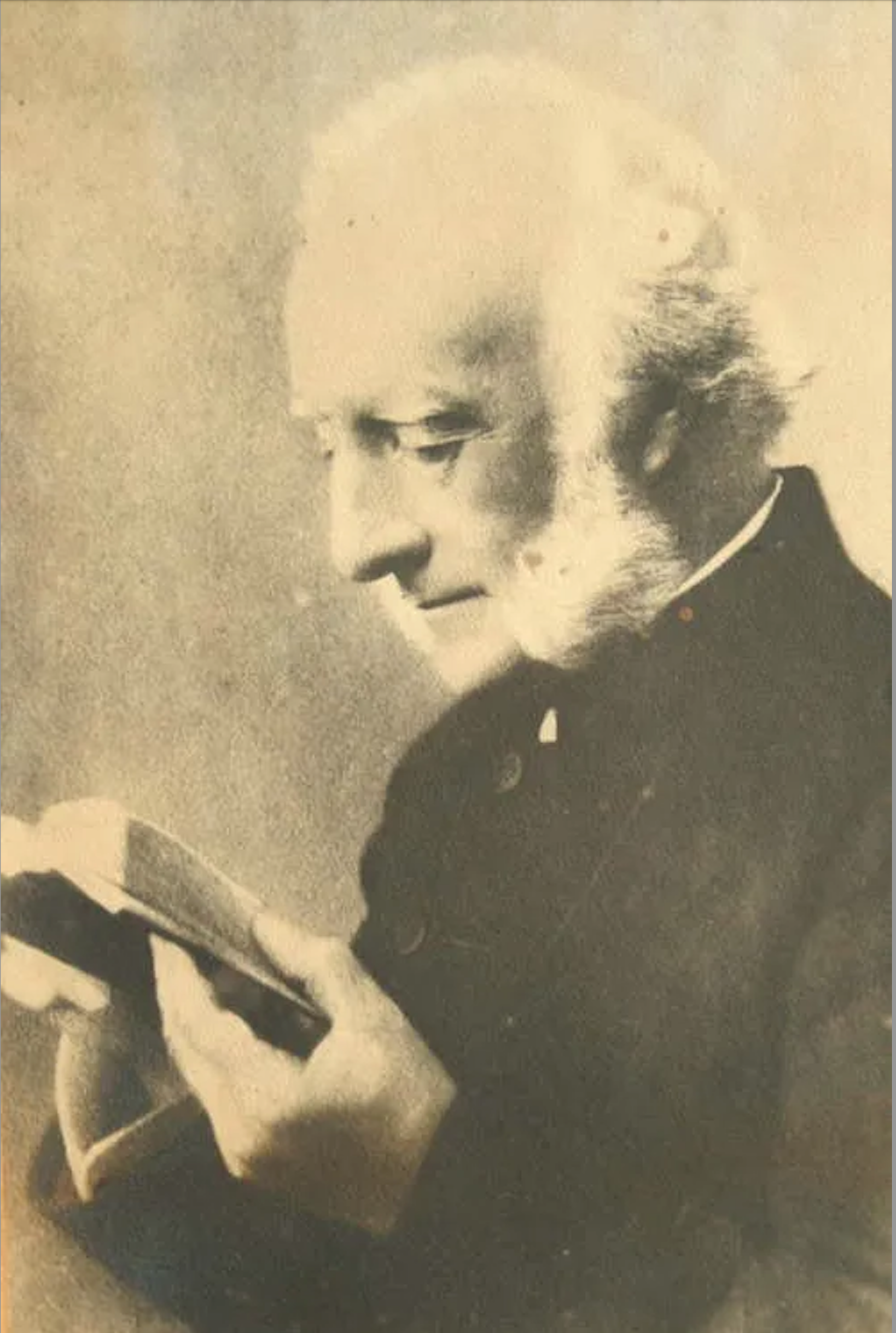
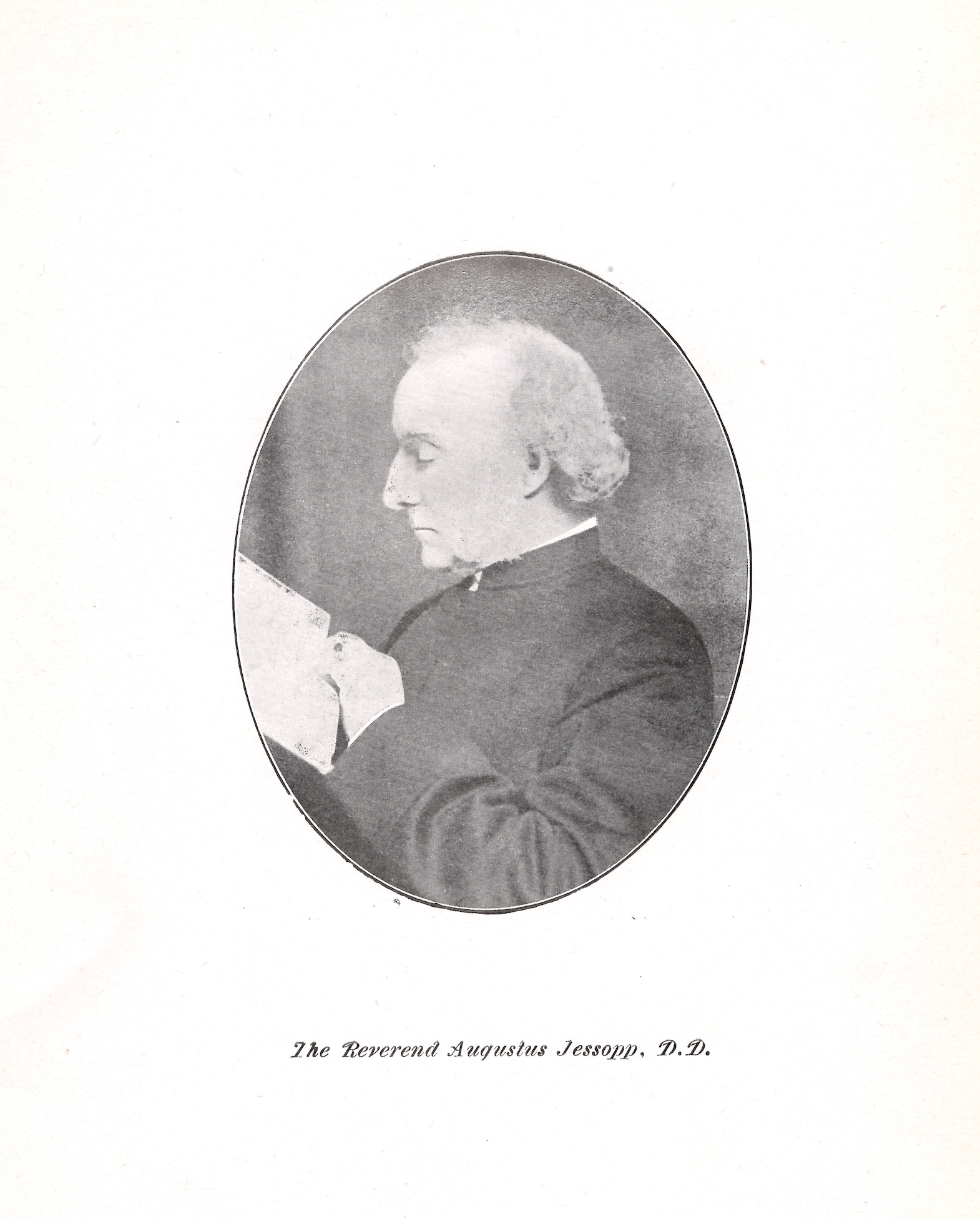
Dr Augustus Jessopp
The Rev. Augustus Jessopp who “communicated” the information to Volume X of the journal Norfolk Archaeology in 1888 (as well as to me from that journal) writes that it constituted:
“a complete report upon the condition of the Church of England at the beginning of the seventeenth century, and would contain information concerning the religious condition of the people, at least in externals, that could be looked for in no other source. It would be more than this - it would give as near an approximation to a census of the population as in those days had ever been aimed at. For in every parish the communicants comprised the whole body of the adult inhabitants-who were all bound to receive the Sacrament on certain occasions under heavy penalties-and who, it they did not receive it, were classed under the head of Recusants, and stigmatized accordingly".
Upon reading this I consulted the table of results drawn from the questionnaires that were, in most cases, returned to the then Bishop of Norwich, John Jecon. My first port of call was Riborowe Magna which provides the following information, given minimally by Thomas Waterman, Rector: He had 120 communicants, no recusants and no persons who did not receive [communion] The valuation of the living was given as £14.16s. 8d. with Sir Nicholas Bacon as Patron. With that valuation it was then the most valuable of those churches that are now within our Benefice. It was however only in joint second place with Brisley in regard to the number of communicants as Whissonsett had the greater number with 180 persons.Gately and Colkirk were both pluralist livings as was Pudding Norton (with Wells). I could find neither Dunton or Little Ryburgh in the returns, and assumed that they were part of the Norfolk Archdeaconry that was not part of Jessopp’s paper:
Extracts from the tables in Norfolk Archaeology Volume 10
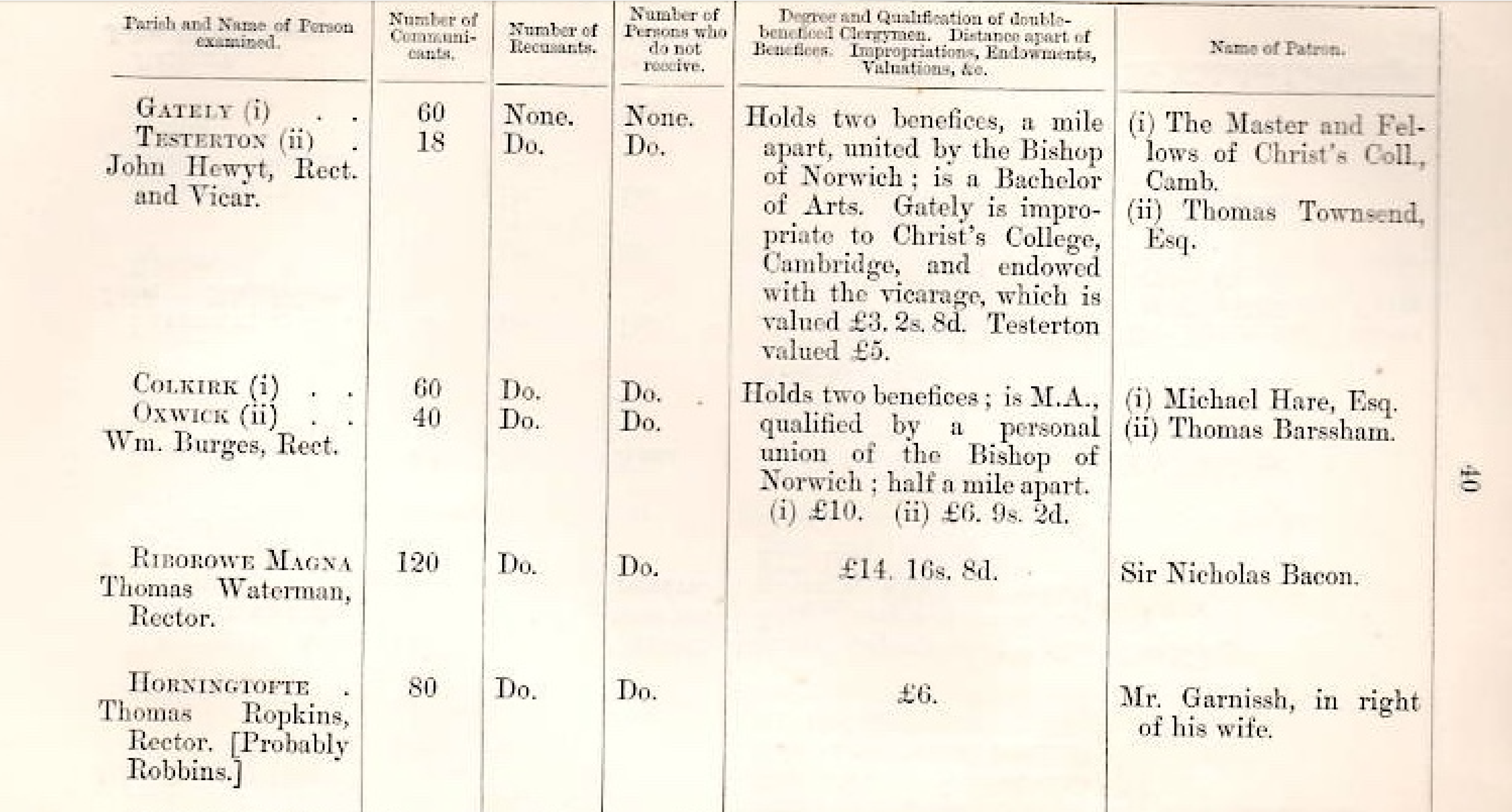
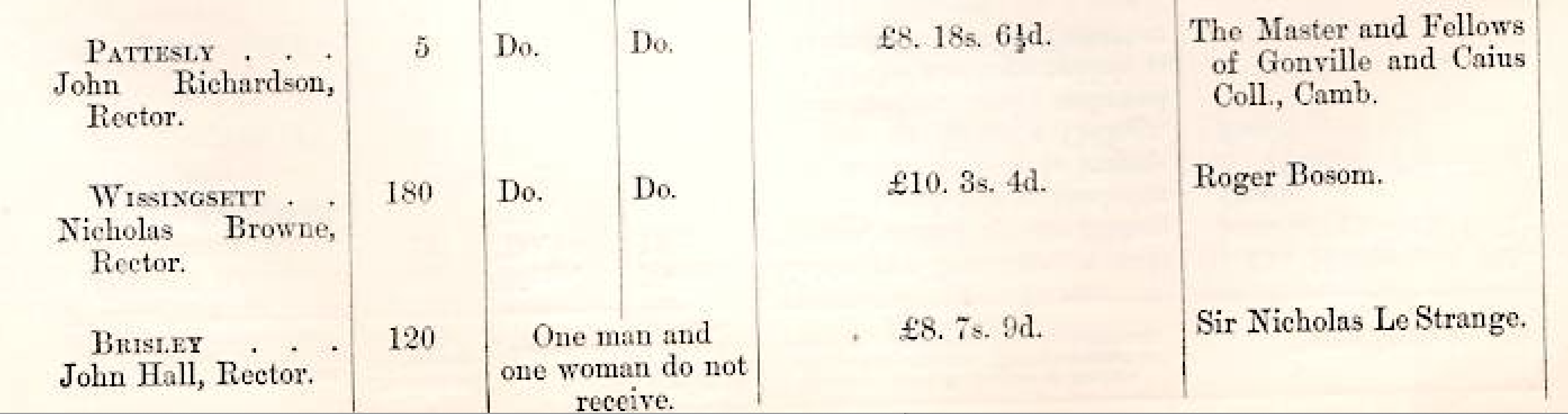
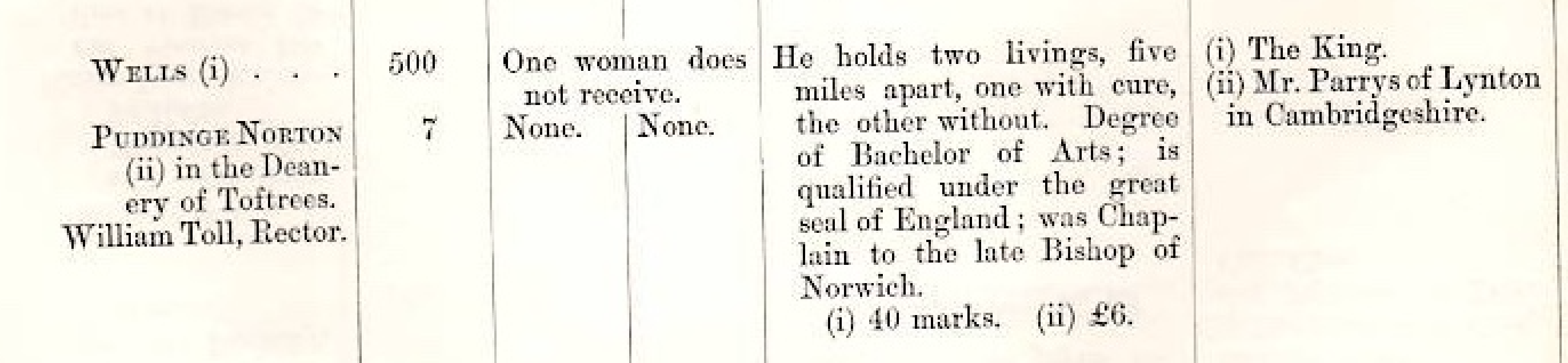

Further investigation turned up a weighty tome entitled “The Diocesan Population Returns for 1563 and 1603” edited by Alan Dyer and D.M. Palliser published in 2005. In this they cite the good Dr Jessopp in his 1888 paper as “the first scholar to realise the significance of the returns from the point of view of the demographer." They continue “It was not until the 1950’s and 1960’s that historians began to make serious use of the returns for demographic purposes” There are no returns from the Norwich Diocese of the 1563 survey known to have survived. It is from this book that I can now add the figures for Dunton and Little Ryburgh which were part of the Burnham Deanery within the Archdeaconry of Norfolk. Being a work primarily for statistician the editors have not included the names of the incumbents and Patrons where supplied and in the case of the Norfolk Archdeaconry, the figures come from other sources, primarily from Francis Blomefield’s Norfolk volumes and the Frere manuscripts held in the Norfolk Record Office. They just provide the basic number of communicants for each parish: Dunton cum Doughton recording 70 persons and Little Ryburgh, 54. Taking a few minutes to look through the church registers for names to be found in Great Ryburgh around the date of this “census”, I was able to easily find 67 different surnames. I think that 120 communicants seems a very plausible figure, given the inevitable existence of more than one adult bearing the same surname. For the sake of a further few minutes I add here a list of those names so perhaps you might be able to trace your roots back to Ryburgh in the early 17th Century
ANDREWES, ATKYNS,
BACON, BAKER, BARNEY, BEAVICE, BENSON, BOOLE, BROWNE, BULLER,
CASE, CLERKE, CLYSTON, CORBETT, COTES,
DAVY,
FEERE, FERMOR, FOOKES, FROST
GARDINER, GODDARD, GOTTES, GRAYE, GREENE,
HADFEELD, HARVEY, HILL, HOMES
JOKELL,
LAMKYN, LEDGE, LOKES, LYNG, LYNSEY
MAN, MORELL, MUSSET
NEWES, NEWTON
OCHELL, OLLEY, OSBURNE, OWTYD,
PARKYN, PARSON, PATRICKE, PEELE, PEERS, PENINGTON, PEPPER, PLESAUNCE, POMFRET, PULHAM,
REEVE, REPINGALL, ROFFWADE, RUST,
SEELE, SOND
TYNKLER
WANTLAND, WATERMAN, WENLOCKE, WHITE, WICKHAM, WRATH,
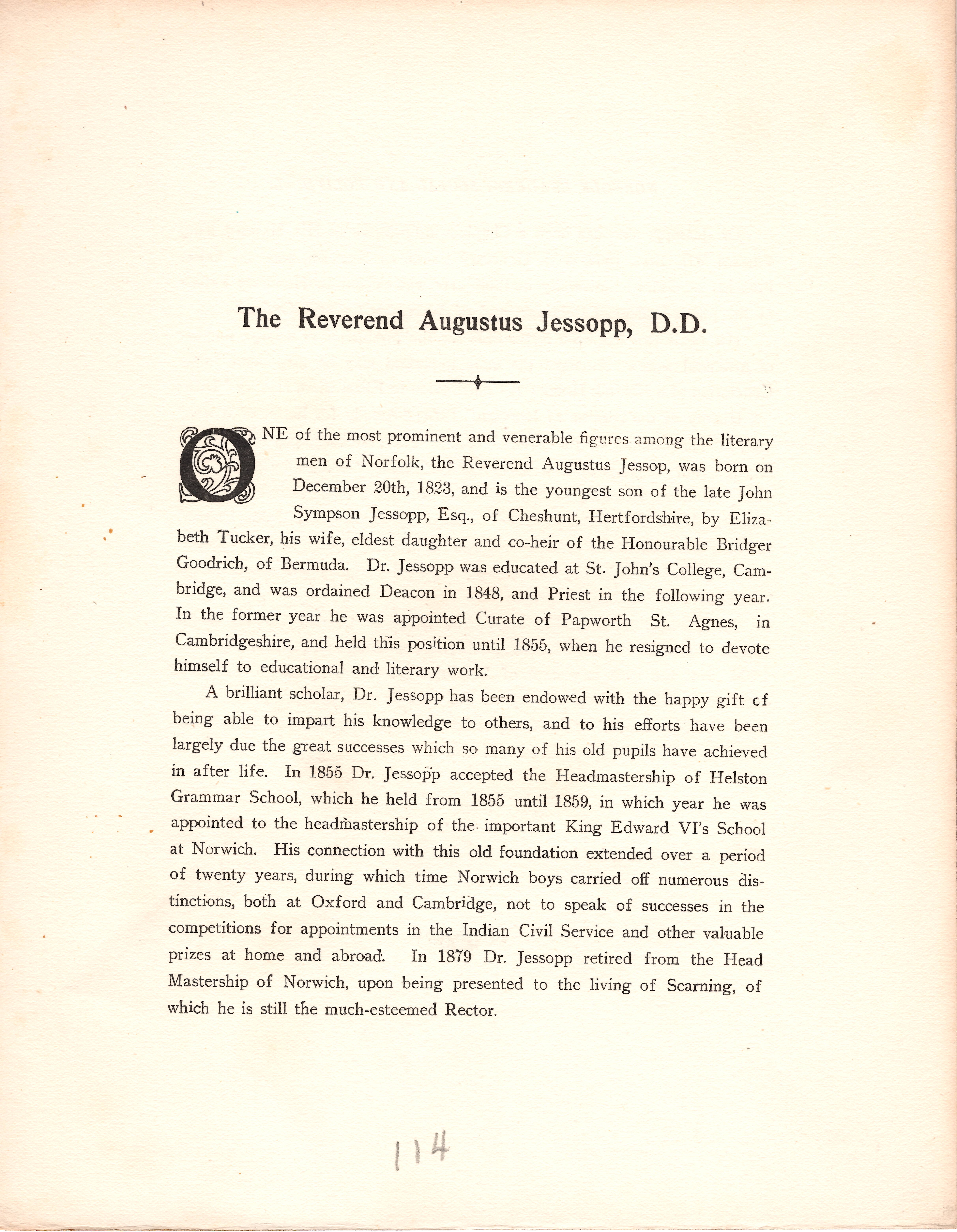
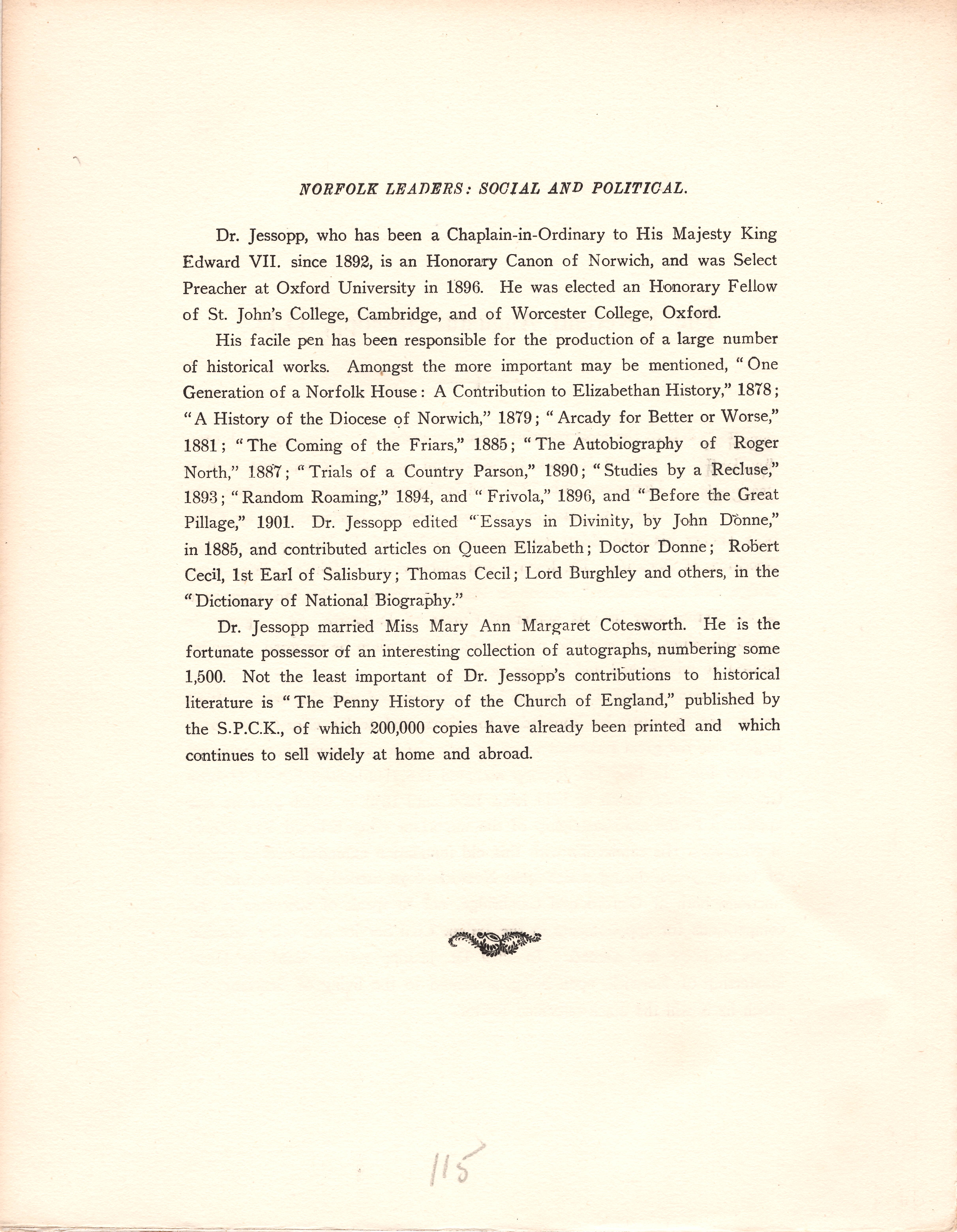
As for the good Doctor Jessopp, I first encountered him as being the headmaster of Norwich School when reserching Percy Everitt and for which he is well known as the man who established the reputation of that institution that continues today. The following comes from a publication entitled Norfolk Leaders, a privately printed book for private circulation only at a cost of 3 Guineas:
********
March 2026
I recently came across a letter on Ebay written in Ryburgh in 1833 from a mother, Frances Woods, attempting to get financial advice from a Norwich attorney on behalf of her younger son from her first marriage. She had been widowed twice by the time of the writing of the letter and quite possibly even for a third time. There is no trace to be found of the William Woods whom she married at Cawston in 1828, after the Ryburgh baptism register entry for their elder son Walter on October 19th 1829. There is also no baptismal record in Ryburgh for a second son Robert Walter Woods born in Ryburgh circa 1832 if the Census record for 1851 is to be trusted. Anyway I digress, slightly, because the aim of this column was to link last month’s investigation of unofficial census figures to the year 1851 when there was a nationwide Census taken of Places of Religious Worship. It included the Established Church and dissenting Congregations. Amongst other details, the "Officiating Minister, Church-Warden,Chapel-Warden or other Person with whom this Schedule is left" were required to record the attendance at am. pm. and evening services specifically on Sunday 30th May 1851 and as an average figure for the preceding 12 months.
As part of my research into the Woods letter, I came across this newspaper clipping (I of 3 separate reports) that concerned the above mentioned Walter Woods
Norfolk Chronicle - Saturday 08 February 1851
Wesleyan Dissensions.
The dissensions in the Wesleyan Methodist body continue to cause great excitement in Cawston and its neighbourbood, where the "reformers" appear determined to annoy the regularly authorised preachers in every way in their power, by inciting parties to disturb the congregation on Sundays. The superintendent of the district has, in consequence, been obliged to proceed against those parties,
On Tuesday, at Aylsham Petty Sessions, a lengthened investigation took place, relative to a disturbance at Cawston chapel, on Jan. 19th. The Magistrates present were W. E. L. Bulwer, Esg.. J. H. Holley, Esq., the Rev. S. Pitman, and the Rev. E. T. Yates.
Four persons, named Elizabeth Southgate, John Smithson, Walter Woods, and Thomas Chapman, all of Cawston, appeared to answer an information under the 52 Geo. 3, s. I2, charging them with having, in that parish, on Jan. 19th, wilfully, maliciously, and contemptuously, disturbed a congregation of protestants assembled for public worship. -
This in turn led me to look into the Sunday census returns for Cawston where we read the following:
At the "Primitive Methodist Chappel" dating form 1832, Barnard Page the Chappel Steward recorded, out of a possible 110 sittings, 80 in the afternoon and 60 in the evening.
At the “Wesleyan Methodist Chapel” dating from 1816, Minister George Smith recorded a congregation of just 4 persons on Sunday 30th. He put the average figures as A.M. 50 scholars P.M. 50 scholars and 120 General Congregation and Evening 100 General Congregation. He penned the following in the “Remarks” section by way of explanation for the returned figures:
“The average numbers represent the Congregation until within the last few months. Very violent and disgraceful proceedings destroyed the congregation. Legal redress has recently been obtained and it is hoped that many will return to the Chapel”
In stark contrast, at the “Wesleyan Methodist Reform Room used as a Chapple” occupied from December 1850, Steward, John Dennis recorded 100 congregation plus 39 scholars in the afternoon and 125 in the evening. His average figures for the short period of their occupancy were very similar. In his comment in the “Remarks” column he writes:
“The caus of our Congregation being so small is our banishment from the old Wesleyan Chapple erected about 1816 The Congregation in this Chapple was nearly double wich have all left except from 4 to 6 and the Room we now occupy is quite filled.”
The “legal redress” cited above is described in the press coverage at some length but at the conclusion one was discharged through insufficient evidence in the case of Mr Chapman. The remaining three were sent for trial at the Sessions in March, where
“the jury returned a verdict of "guilty" with a recommendation to mercy.-The CHAIRMAN said he had no discretion, as the act of parliament, in case of conviction inflicted a penalty of £40; and he passed sentence accordingly. The prisoner Woods (here identified by the press as Robert Walker Woods) not being able to pay the fine will have to remain a prisoner during her Majesty's pleasure. Judgment was deferred in respect of Smithson and Southgate, who were bound over in their own recognizances to appear if called up at the next Quarter Sessions.”
When he is entered into the Criminal Register on July 12th in gaol in Norwich Castle he has become Robert Walter Woods and he remained there until July 29th when he was released on the recommendation of the Home Secretary, Sir George Grey.
The record of any birth of a Robert Walter Woods or of many variants fails to show up in a 5 year period either side of the estimated date of 1833. Over consecutive census and marriage dates where his age is given, we have birth dates ranging from 1832-1835. In 1881 he identifies as just Walter Woods and dies age 51 in 1885. It seems entirely plausible that Walter Woods, baptised 19th October 1829 and Robert Walter Woods with no recorded birth date are one and the same person and for some reason his age was reduced, possibly deliberately, by 5 years between 1841 when he is 14 and 1851 when he is 19.
You can read the full court reports of the trial on the Village History pages of the St Andrew’s website along with the remaining family history.
********
April 2026
The returns from Great Ryburgh on March 30th 1851
And where are they now?
A RETURN
Of the several Particulars to be enquired into respecting the undermentioned CHURCH or CHAPEL in ENGLAND belonging to the United Church of England and Ireland.
[A similar return (mutatis mutandis,) will be obtained with respect to Churches belonging to the Established Church in Scotland and the Episcopal Church there, and also from Roman Catholic priests, and from the Ministers of every other Religious Denomination throughout Great Britain, with respect to their Places of Worship ]
Last month I looked at the 1851 Church Census in relation to a letter I came across. This month I am looking specifically at the situation in the Ryburghs from those same Census returns and the overall population census information.
At St Andrew’s, Augustus B. Hemsworth who acted as William Ray Clayton’s Curate, returned average Sunday numbers of 85 and 147 at morning and afternoon services respectively making a Sunday total of 232 in the Parish Church.
Each return form had a column for Remarks in which Hemsworth wrote:
“The accommodation in the church might be considerably increased if required. The living is consolidated with that of Little Ryburgh where the church is in ruins. From ignorance, dissent, poverty, & diffidence from long neglect, but a few attend the parish church of Great Ryburgh and in my opinion it would be well to rebuild the church of Little Ryburgh".
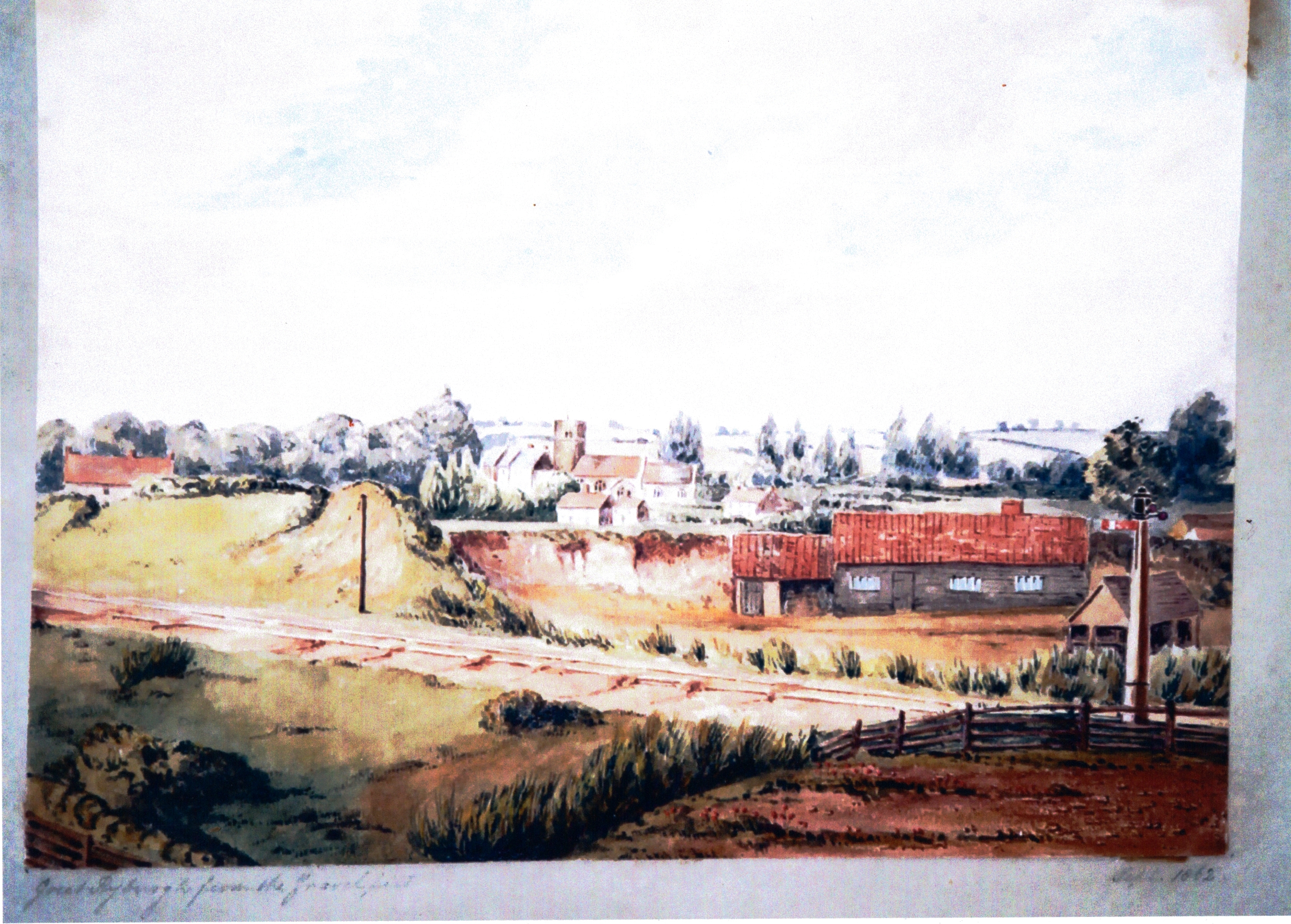
There is no doubt where in the village to find the Parish Church of St. Andrew! By way of a view that is not so frequently seen, this watercolor was made in 1862 by Emily Jane Sweet wife of the Rector of Colkirk and Stibbard Revd. James Bradby Sweet from 1857 - 1870. It was painted from the gravel pits above the railway line, looking North across Mill Road .
Augustus Barker Hemsworth, of Irish descent, was born on 2nd March 1822. The Census habitually puts ”British Subject” in parentheses after France as his birthplace. He was baptised later that year on December 11th at the Parish Church of St Mary, Cheltenham Gloucestershire. He was the younger son of the 5 children of Henry D’Esterre Hemsworth and Jane Maria Barker Hethersett. The family seat was at Shropham and where at the age of 25 he married Duncana Campbell born in the same year,1822 in Argyll the daughter of a by then deceased military man, Alexander Campbell.
The presence of any Methodist Chapel in Great or Little Ryburgh does not receive mention in either Kelly’s or White’s Directories until the editions of the last quarter of the C19th. Harrods Directory in 1877 identifies United Methodist and Primitive Methodist Chapels. Craven's Directory of 1856 however reports that in Great Ryburgh "the Wesleyan and Primitive Methodists each have a chapel here". In Little Ryburgh they have a "Primitive Methodist Chapel"
When the Primitive Methodist chapel was built in 1882 the press reported in April, when the memorial stones were first laid on land given by John Bell, that Primitive Methodists “had a station at this village for upwards of sixty years” 3 months later upon completion of the chapel little more was written of the “Prims” earlier history and that they “have conducted services in the village with varying success, and for a long time they have occupied a cottage , which was often inconveniently small for the purpose”
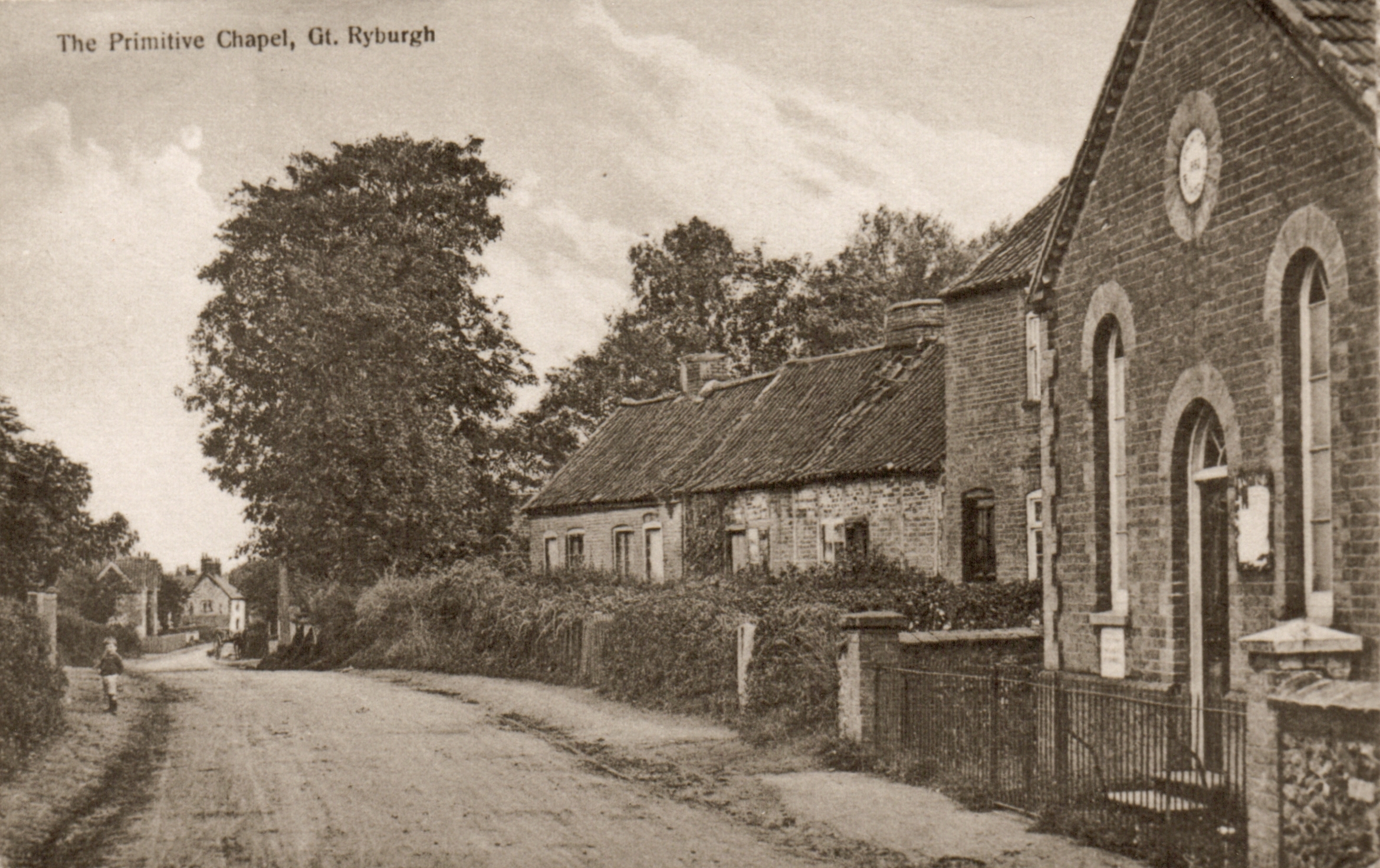
The Primitive Methodist Chapel built in 1882 shown in this postcard view circa 1920
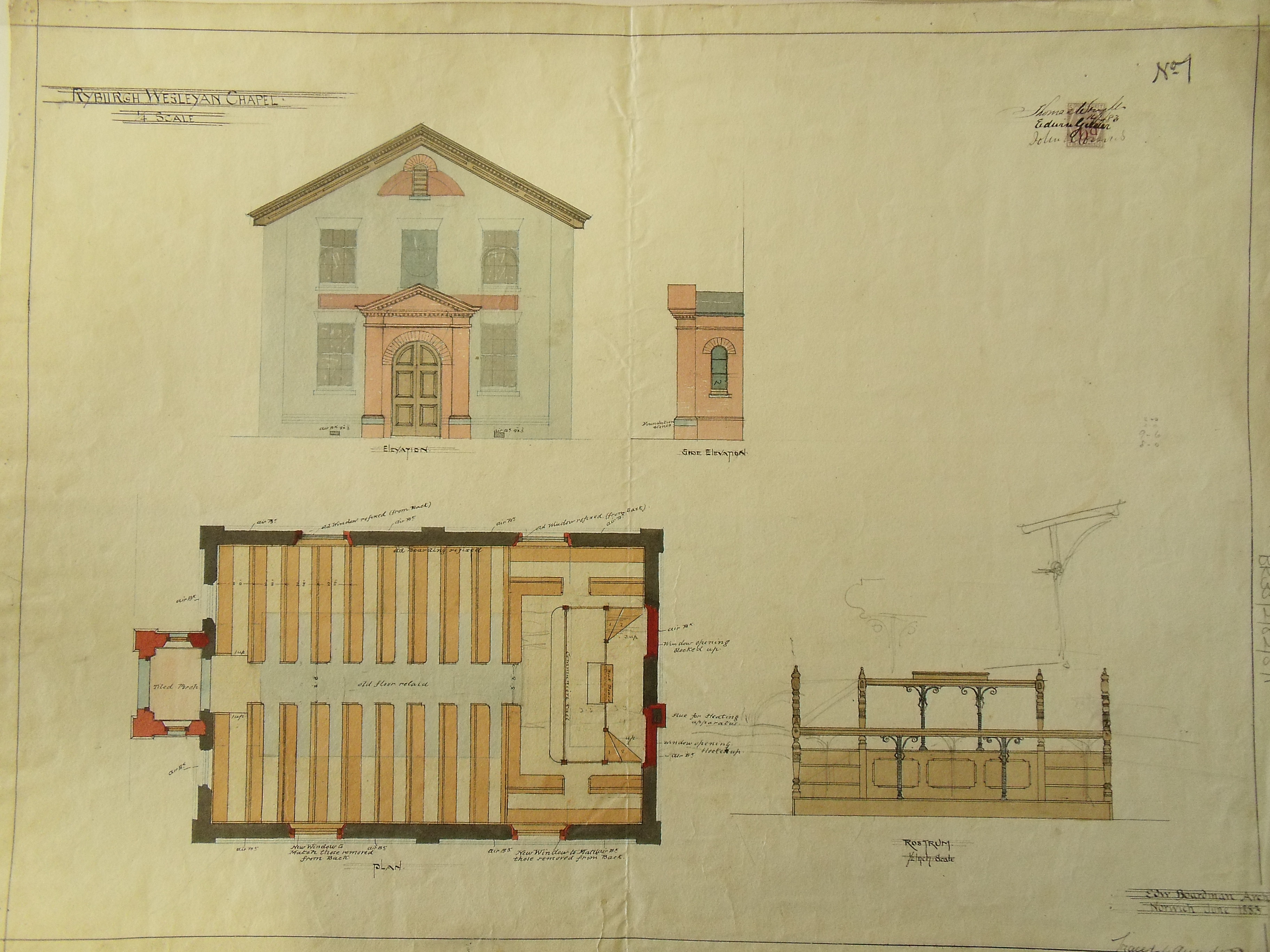
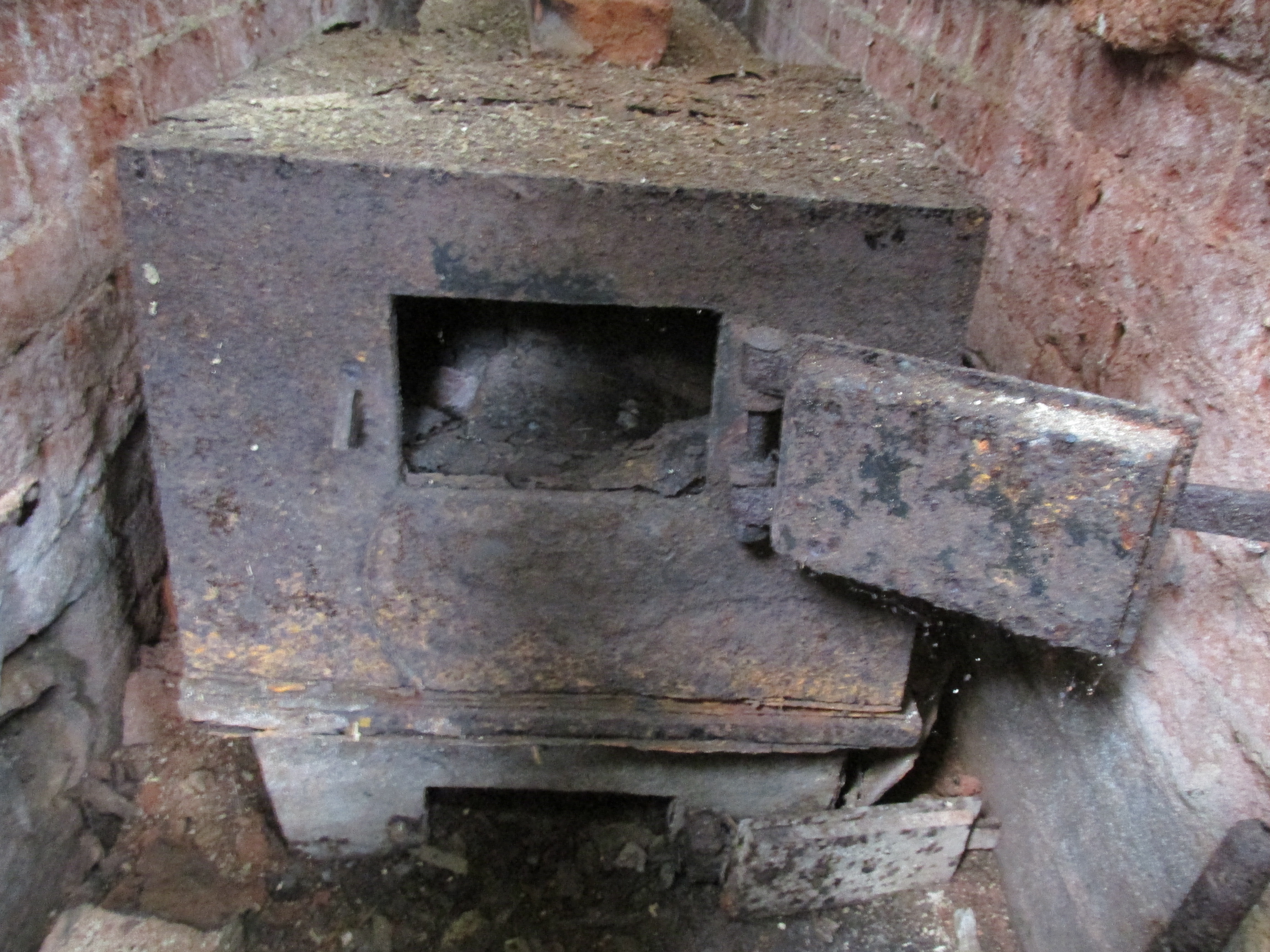
The Sunday Census returns tell a different story however and we must begin with the building we knew as the Methodist Chapel built in 1845 and lately purchased by Crisp Malt as additional office space. At the time of the Census the building presented a very different facade, with large stone signage prominently across the building at first floor height proclaiming “Ryburgh Wesleyan Chapel” as seen on the plan below associated with the 1883 restoration. The proposed outline of the windows that we see today can be discerned on the plan along with upper and ground floor sash windows. It is not clear from this whether the windows were existing or a proposal later superseded by the existing tall windows. They certainly look in keeping with the 1845 date of construction and suggest that the chapel also had a gallery at that time. What is also unclear is whether the underfloor heating boiler that was housed centrally near to the front doors and was connected to the flue at the rear, was original to this restoration. It is certainly associated with the insertion of the two tall windows on the South gable either side of the porch; the reason being that the stone signage sections were used to roof the horizontal flue under the floor. This was uncovered during Crisp’s renovations and a section of it was recovered from disposal in the skip and is now incorporated into the William Martin Building that was under construction at the time.
The Plan
The Boiler
The salvaged flue stonework
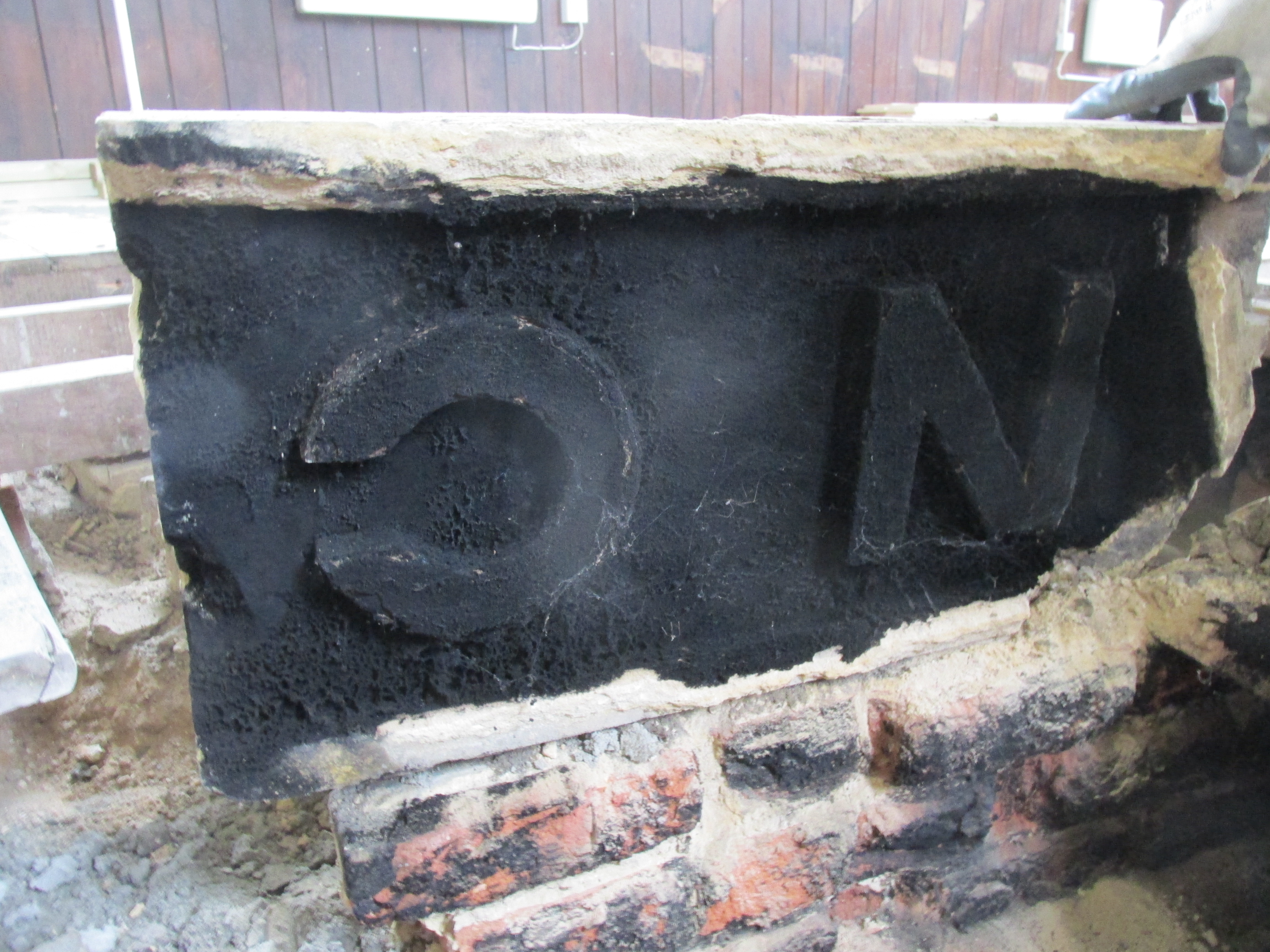
Its new home
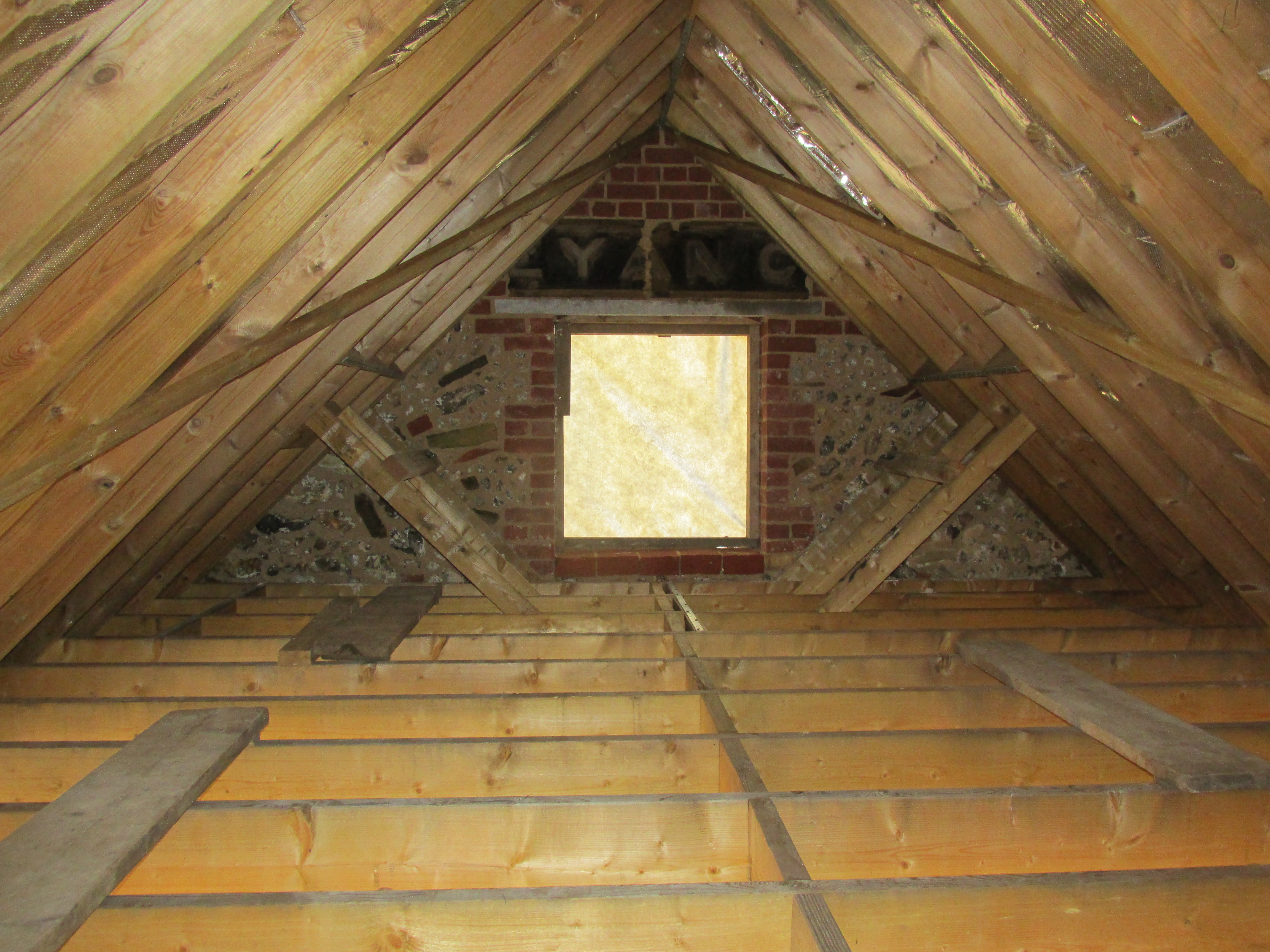
The Sunday Census date comes in the midst of the reforming upheavals within Methodism. This national situation is illustrated in Great Ryburgh by a Primitive Methodist Chapel and two separate Wesleyan Chapels with Charles Mitchell, a Cooper and Farmer of Little Ryburgh being associated with both Wesleyan establishments.
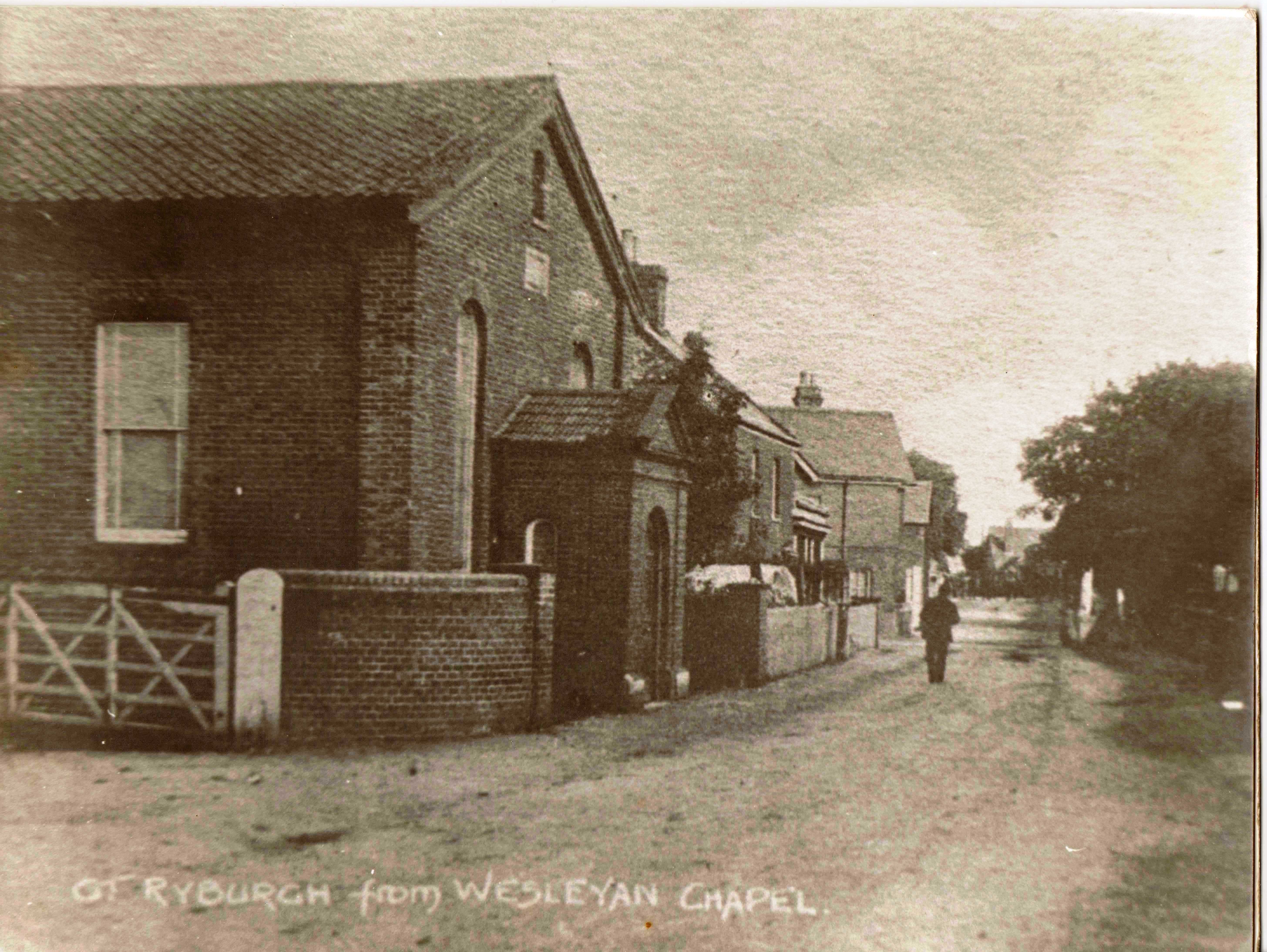
Ryburgh Wesleyan Chapel built in1845 shown here in this postcard view circa 1910 after the alterations of 1883
The first Wesleyan Chapel was the building whose recent demise we lately witnessed and where Charles Mitchell returned the form as a "Trustee of the Wesleyan Chapel". He made no Remarks but recorded that there had been no service at any time on that day, March 30th 1851.
He also returned the form for a Wesleyan Methodist Cottage, still making no remark but on this form he signed as "Deacon", that 35 people had attended in the afternoon and 54 in the evening.
The remaining Dissenting congregation in Great Ryburgh was at the Primitive Methodist “Place of worship” The figures were returned by Thomas Lincoln described here as Deacon and in the population Census of the same year as “Local Primitive Preacher” He recorded congregations of 26 in the morning, 89 in the afternoon and 101 in the evening, making 216 for the day. Add to that the 89 at the Wesleyan Methodist Chapel and we have 305 villagers not attending the Parish Church.
Found in the old deeds of what is now 10 Station Road is a mortgage indenture with map of 1871. This describes the western most part of the building now at 8 Station Road as “chapel” on the map. Within the text of the document it is described : “Together with the cottages and Ranters chapel now or late standing on the same piece or parcel of ground”. Soon after this indenture, the Chapel frontage of 8 Station Road was extended to the West a matter of 6 feet taking in part of a barn belonging to Michael Mesney the neighbour and new owner of the plot. This building work was carried out to create the Marine Tavern which provided new premises for the beer house which had long been associated with the cottages on the plot. Twenty years earlier in the 1851 population Census, the building in what would appear to be the position of the “chapel” is occupied by Ann Middleton “School mistress”. Found only once in any Census, in 1861 that building is described and numbered in the schedule as “Primitive Methodist Chapel”. The proprietress of houses on the plot in both ‘51 and’61 Census returns was Sophia the widow of Covenant Best who had been allotted the land at the 1810 Inclosure.
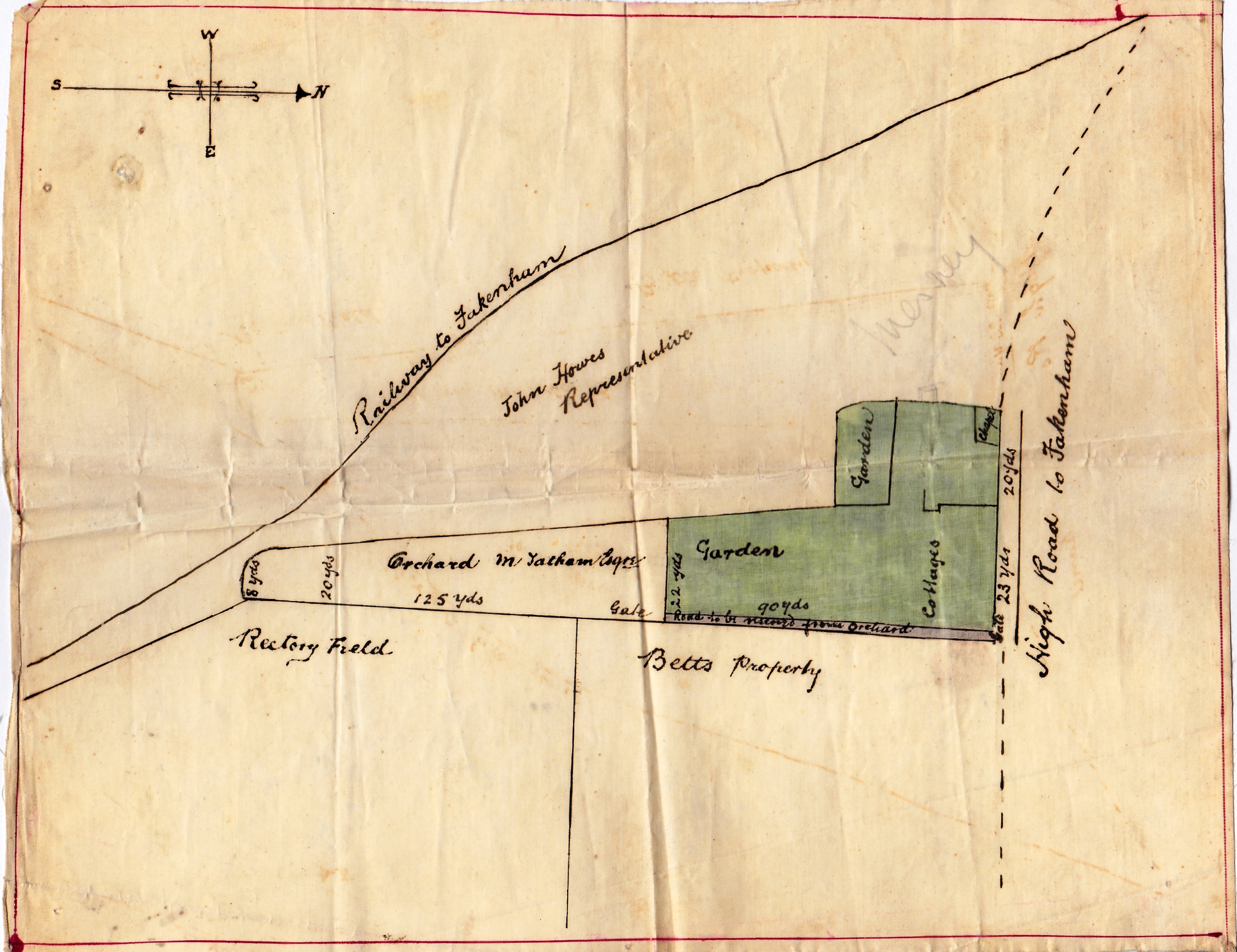
The problem with this evidence is that no chapel is described in 1851 nor who might have been using it, since “Prims “and Dissenting Wesleyan’s were both described as Ranters at various times and it was later reported, as seen above, that the “Prims" operated with varying success and so may not have been using these premises at the time.
Thomas Lincoln was born in Ryburgh in 1820 to Thomas Lincoln and Martha Kendall. Thomas Lincoln (jun.) married Mary the daughter of Rudd Smith on June 1st 1846 at St Andrew’s. Thomas was described in the 1851 Population Census as “Local Primitive Preacher” but he lived 23 properties to the West away from the “Ranters’ Chapel” and more in the area where the purpose built premise was founded in 1882. Could this be also where the Primitive Chapel was situated in 1851 and were Wesleyan Dissenters using the Ranters premise wherein the “School mistress” resided? What is needed is for another set of village deeds to provide similar evidence for former use as a chapel and that way at least sufficient likely premises would be located. The 1871 Census provides no clues whatsoever!
Thomas and Mary Lincoln had no children as far as can be ascertained and had left Ryburgh by 1861, presumably in pursuit of work. In successive population Census returns he rises from "Ag Lab" to ”Farming Bailiff” - first in Wells, then ”Farm Bailiff” in Toftrees then ”Steward“ in Fakenham. Whether "Steward"is of land or chapel is not made clear so except for the time in Ryburgh in 1851 he is never again described as a ”Local Primitive Preacher”. He died in 1884.
But what of Little Ryburgh?
The Primitive Methodist Chapple (sic) return was made by the Steward, Thomas Christmas Parker, originally from Little Snoring but living at the time in Little Ryburgh where he worked as a Cordwainer (Boot and Shoe maker) with his wife Elizabeth (neé Fox) born in Billingford and elder child William Thomas.
Thomas Christmas returned numbers of 45 in the afternoon and 20 in the evening.
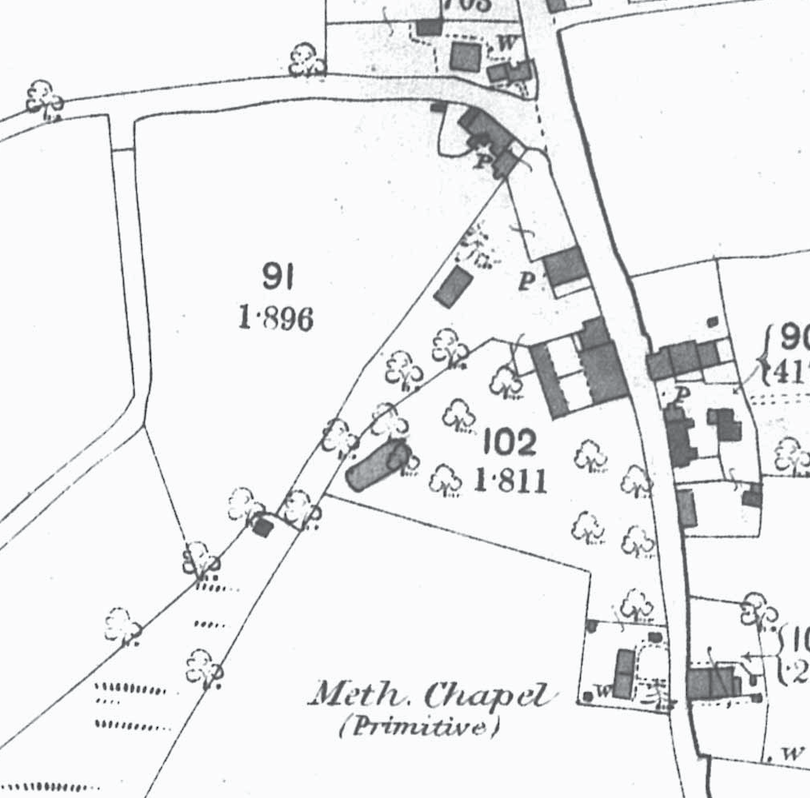
At the Inclosure in 1810, the ninth piece of land, allotted to William Purling describes a plot (247 on the plan below)whereon a “new built messuage or cottage and other buildings stand” This is the same plot and position as the Primitive Methodist Church shown on the 1886 Ordnance Survey Map. Whether this was the same building mentioned on the Sunday return is not possible to say for sure but certainly not without the bounds of possibility. Thomas Christmas Parker returned to Little Snoring to farm 14 acres before going to Rawmarsh in Yorkshire where in the 1871 Census he is described as a "Licensed Primitive Methodist Preacher Fakenham and Wells" and Elizabeth as a "midwife and laundress". Thomas died on “August 6th 1875 at Parkgate in the Parish of Greasborough in the County of York, Shoemaker. Administration granted to William Thomas Parker, Miner of Rawmarsh, the son and only Next of Kin”.
Inclosure plan
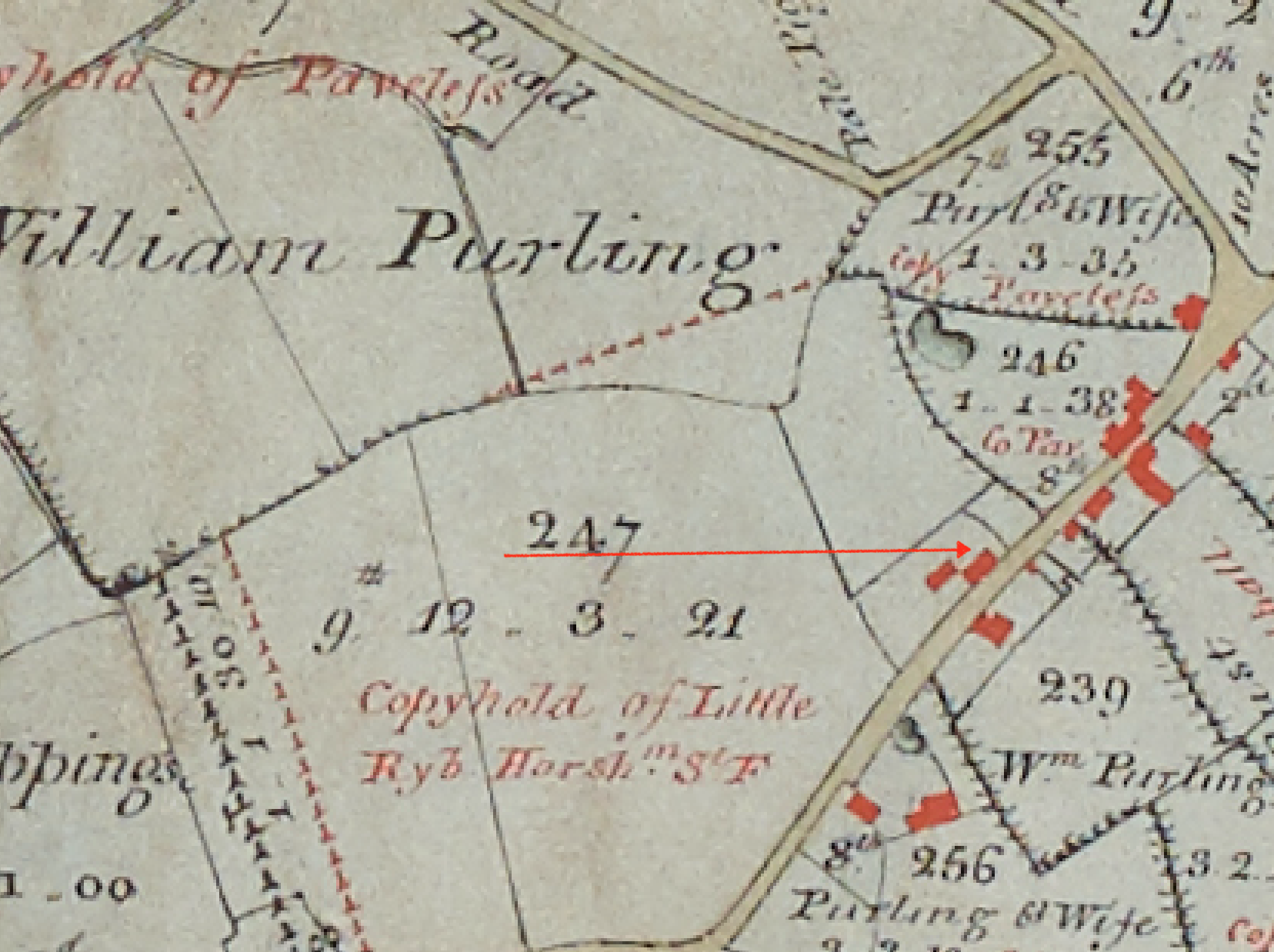
1886 Ordnance Survey Map
There was one other meeting place in Little Ryburgh, An Independent Licensed Cottage where the return recorded 25 in the afternoon and 16 in the evening. The return was made by a 20 year old theological student, Thomas Edward Noyes from Wiltshire. He was one of five young men that year studying with the Rev William Legge* in Fakenham. Thomas went on to gain a BA at London University in 1855 and made his life’s work as an "Independent Protestant Dissenting Minister" at Great Creaton in Northamptonshire. He died in March 1883 leaving his personal estate of £1500 to his widow Jane Woodhams.
*Jim Baldwin writes on page 10 in his book “Wesley’s People”: of the Theological College of Rev. William Legge, the Congregational minister who lived on Fakenham Heath in the former Poor House which he used for his college” He also writes that “the Reformers took over the Fakenham Chapel in 1850”
As to the location of the "Licensed cottage"? I have a theory based on the fact that Charles Mitchell who, from the two Wesleyan Chapel Returns he made, suggests he was of the Reforming persuasion. He was a native of Little Ryburgh where he had an established Cooperage on his property, This property had been also allotted to William Purling (and Sarah his wife) at the Inclosure. Was it Charles Mitchell’s cottage that had been licensed to fellow Reformers to use on Sundays whilst he was peaching in Great Ryburgh? (See plot 255 on the Inclosure plan and 91 on the OS map above)
Some people can still remember the Little Ryburgh Primitive Chapel but no one can tell me for sure when it disappeared. It was in the field immediately uphill from Blue Tile Farm on which this past month has had a large flock of sheep grazing; to me, somewhat whimsically, representing the comparative size of the Dissenting flock living in Little Ryburgh in the mid C19th. Add the two Ryburghs’ Dissenting congregations together and it is not surprising that the Revd. Augustus Barker Hemsworth was voicing his concerns when he filled in his form!
********
May 2026
Revd. Charles Mordaunt M.A. ..........Rector for 59 years,
but what do we know about him?

The Shield above is to be found in the North Transept gable window of St. Andrew’s and is described properly as:
Argent, a chevron between three estoiles sable,
Mordaunt of Massingham.
It is undoubtedly there because of one time Rector of St Andrew’s, the Reverend Charles Mordaunt. He is perhaps one of the lesser known Rectors of Ryburgh in spite of having been the longest serving Incumbent with a tenure that lasted 59 years. Apart from his family crest, he has left little evidence of his long association with Ryburgh either in the fabric or the Registers of the church. The only evidence of an alteration of the building is recorded in the Great Ryburgh entry in White’s Directory of 1836 and which reads:
“the CHURCH, (St. Andrew,) which is a handsome cruciform structure, with a modern stained glass window, inserted by the late rector.”
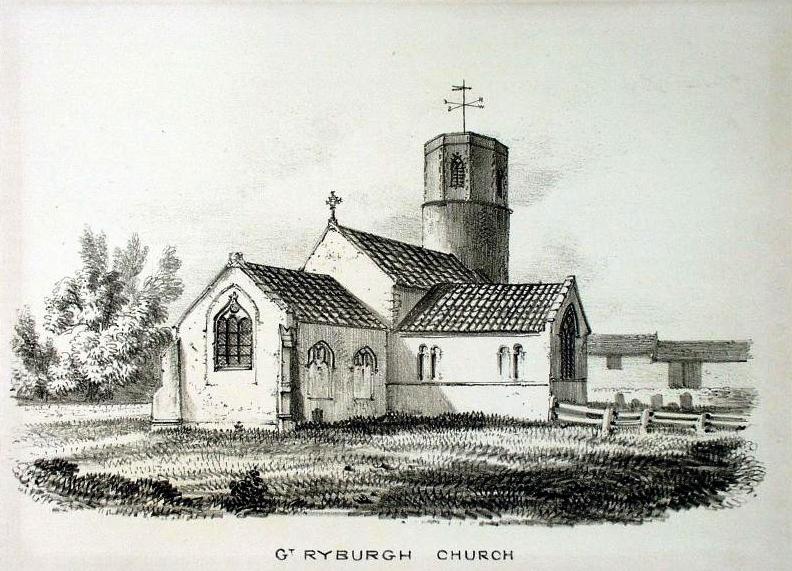
The reference is unlikely to allude to the North transept window even though it contains his shield. The East window as depicted in the Ladbrooke lithograph of St Andrew’s from the 1820’s is the more likely but unfortunately that window was replaced by one of the first of William Wailes’ input initiated by George Tatham…..a window that was in its turn replaced by F. H.Tatham’s Comper example from 1912 that we see today.
His career can nevertheless be traced in a C.of E database which tells us that:
He gained a B.A. from Christchurch Oxford where he was made Deacon in 1760 at the age of 23. On February 26th 1761 and now M.A., he was appointed Chaplain to Charles, the Earl of Northampton. The following month he was first ordained as Priest on 25th March and the following day March 26th, he was instituted as Rector of Egmere.
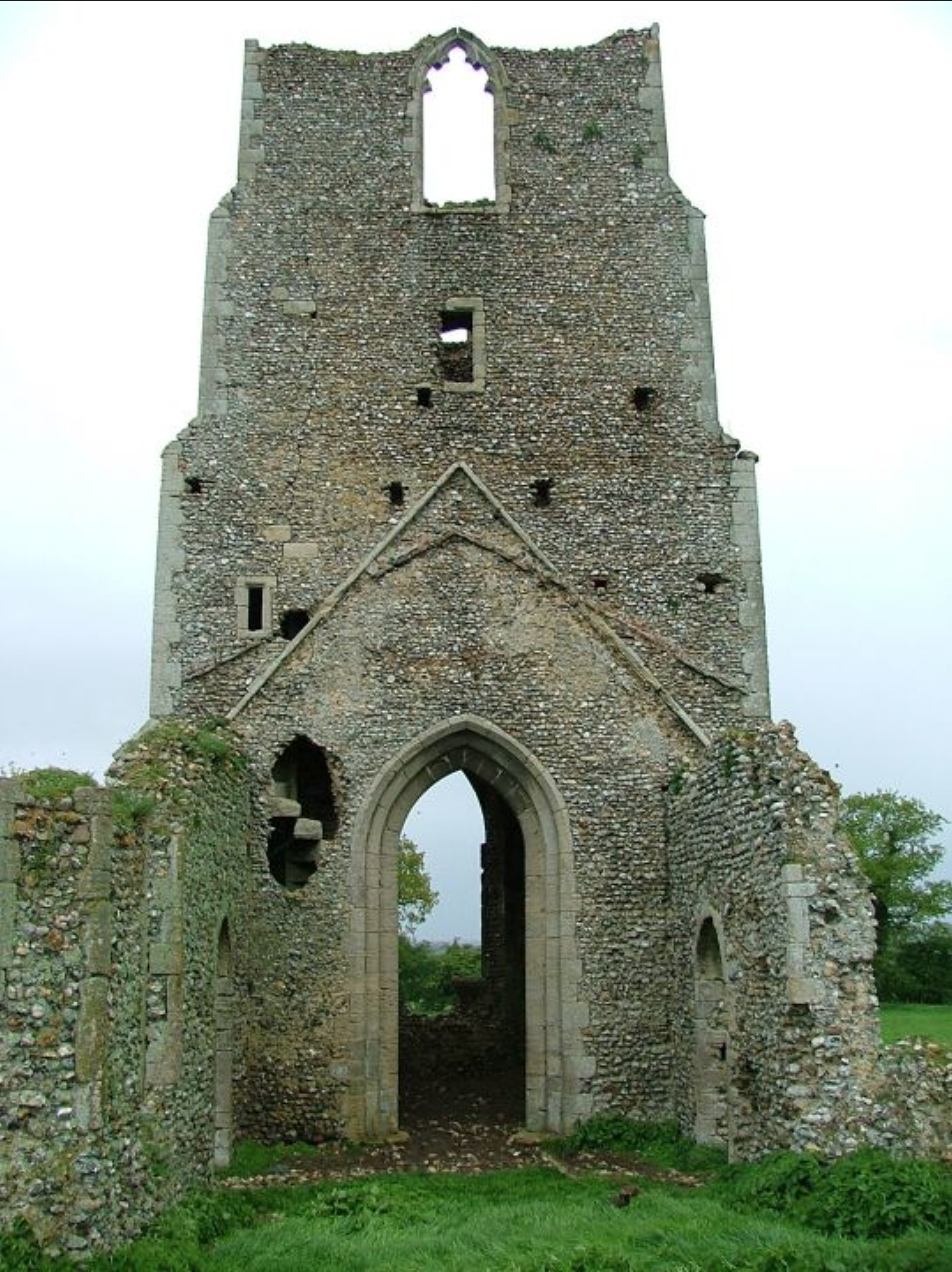
With thanks to Simon Knott for the above image of St Edmund Egmere
Two days later on March 28th he was instituted as both Rector of Little Massingham and Great Ryburgh with Little Ryburgh.

In 1779 on June 22nd he was Instituted to the Rectory of West Lexham.

Curiously the date July 5th 1779 records his “Cession” (Relinquishing) of the Little Massingham Rectory and also his (re)Institution to the same! This same “blip is recorded on the Vestry screen at St Andrew’s.
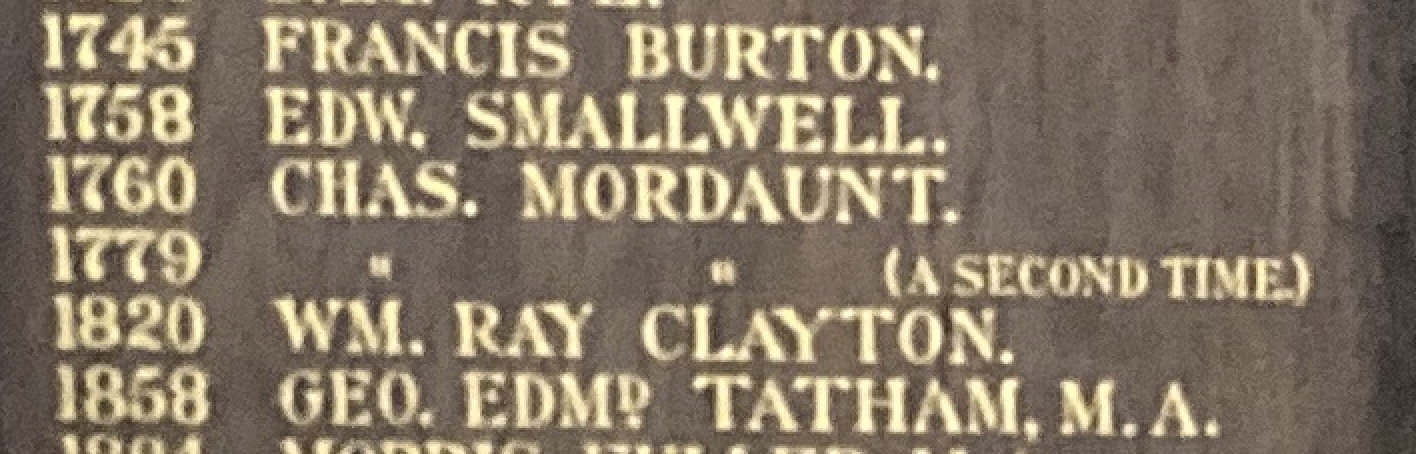
The following year on 20 July 1780 “Cession” is recorded with regard to the Egmere Rectory but he seems not to have been re-instituted to that living.
We later find him Instituted to the Sinecure Rectory of Ashbury in Berkshire on July 25th 1792.
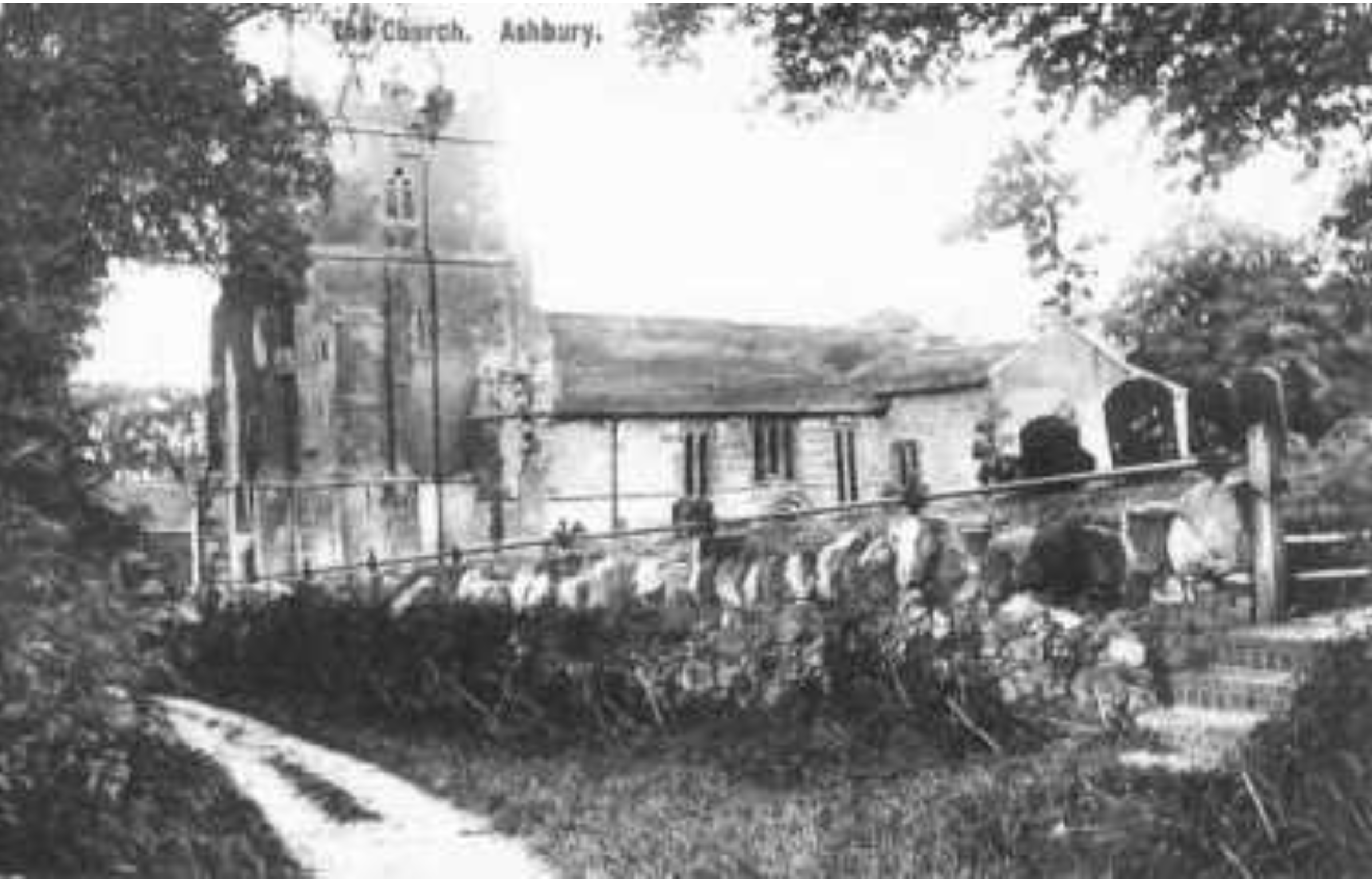
With thanks to the Ashbury Parish website for the above image
Charles replaced Dr Spencer Madden in the living when he was consecrated as a Bishop that year, first at Bristol and then Peterborough. He was probably presented by Madden and he in turn probably presented Revd. Peter Sandiford in his place. Sandiford was Rector of Fulmodeston with Croxton and officiated occasionally at Ryburgh in the late 1700’s Like properties on a Monopoly Board these four livings remained with him until his death in 1820.
So why the coat of arms and all those concurrent positions?…… this is fundamentally because of the hand dealt by privilege, combined with the misfortune of not being the oldest male offspring. A quick delve into his family history soon directs you to volumes listing descendants of the “Blood Royal” and other aristocratic genealogies. In short the Mordaunts seem to have come to Britain with the “Conqueror” and eventually acquired the Little Massingham Estate through the marriage of Robert Mordaunt and Barbara le Strange in the C16th. And so we find that Revd. Charles, being the younger son of Sir Charles Mordaunt the 6th Baronet, meant that his older brother John got to be the 7th Baronet and Charles had to make his own way in life …...of course not without help from his family.
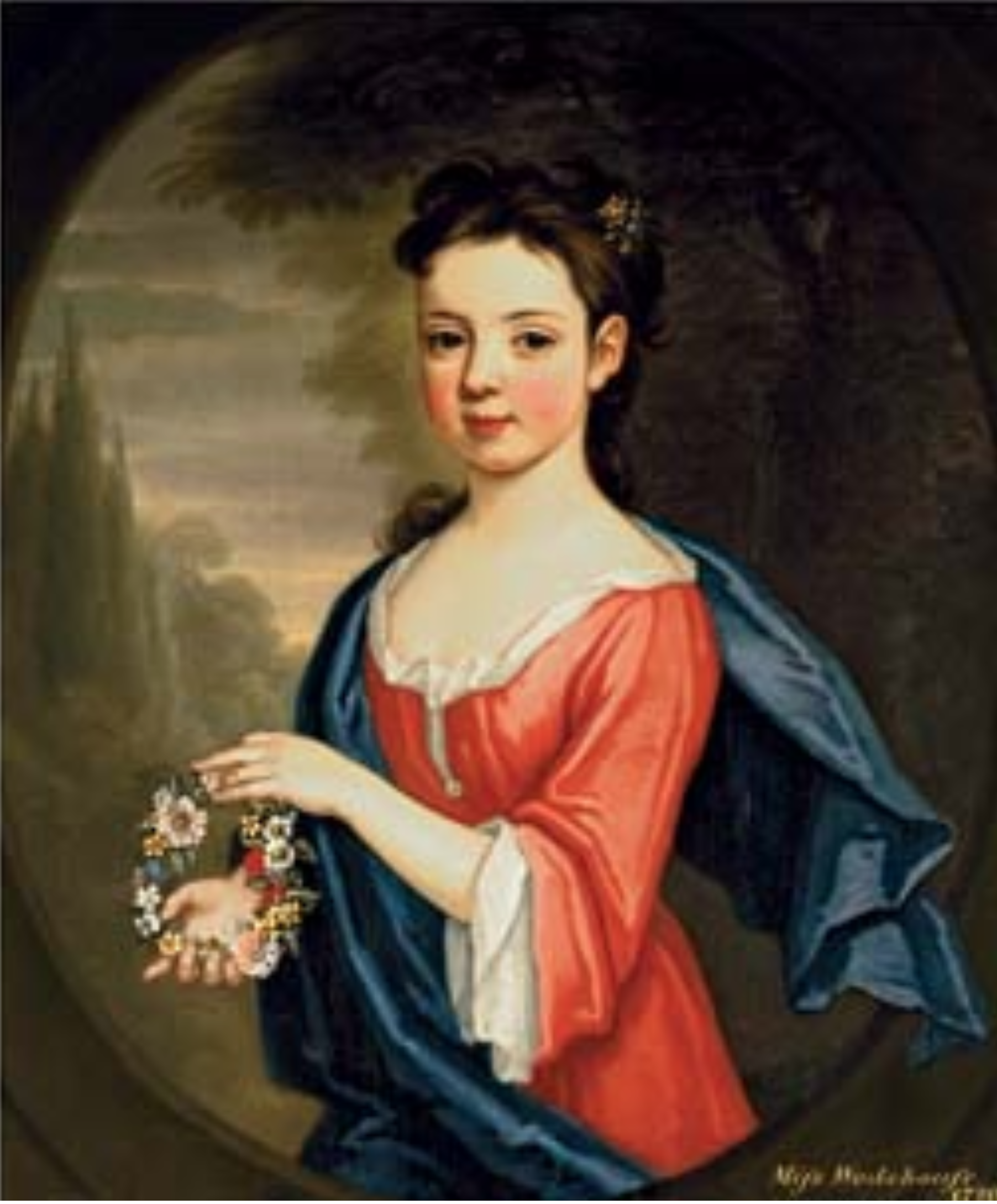
Sophia Wodehouse painted in 1720
His mother, Lady Sophia Mordaunt, was the second marriage for Sir Charles in July 1730, who already had two daughters. This marriage produced two further children and an heir to the Title. John the future 7th Baronet was born May 1734 and Charles on February 26th 1737. He was baptised at St Anne's Soho the following month. Sophia was the daughter of Sir John Woodhouse of Kimberly and sister of Sir Armine Woodhouse

© National Portrait Gallery: Sir Armine Wodehouse by Charles Townley, after Nathaniel Dance (later Sir Nathaniel Holland, Bt) mezzotint, published 1772 NPG D36316
The family eventually became Patrons of Great Ryburgh and Egmere by Sir Armine’s marriage to Letitia, the daughter of Sir Edmund Bacon. West Lexham was also in the patronage of the Wodehouse family and his own father Sir Charles Mordaunt 6th Baronet was the Patron of Little Massingham St Andrew.
If it is not too cynical to say, judging from this portfolio, perhaps the accruing of income was possibly more of a necessity than the cure of souls for Charles Mordaunt, because of course all these livings had an income regardless. Egmere, long a ruin, was in use as a barn by the Bacon family at the beginning of the C17th. Little Ryburgh was a complete ruin before it was consolidated with Great Ryburgh by Morduant’s predecessor, Francis Burton in 1750.
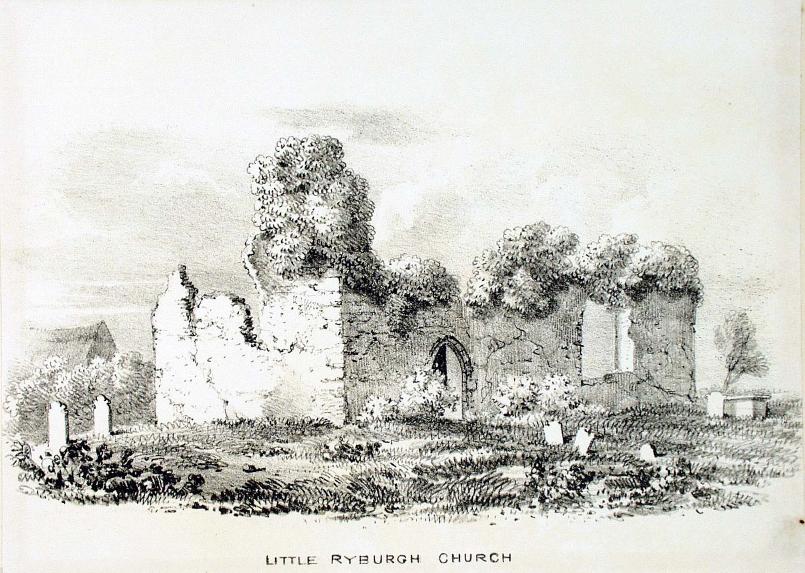
It is known that Great Ryburgh was in a very run-down state when antiquarian Tom Martin visited in 1758 and by the time George Tatham arrived 100 years later he describes a church much in need of his Restoration! West Lexham must have been in a similarly poor condition in Mordaunt’s time and got much worse before it was rebuilt in the 1880’s
West Lexham at the time of the rebuilding
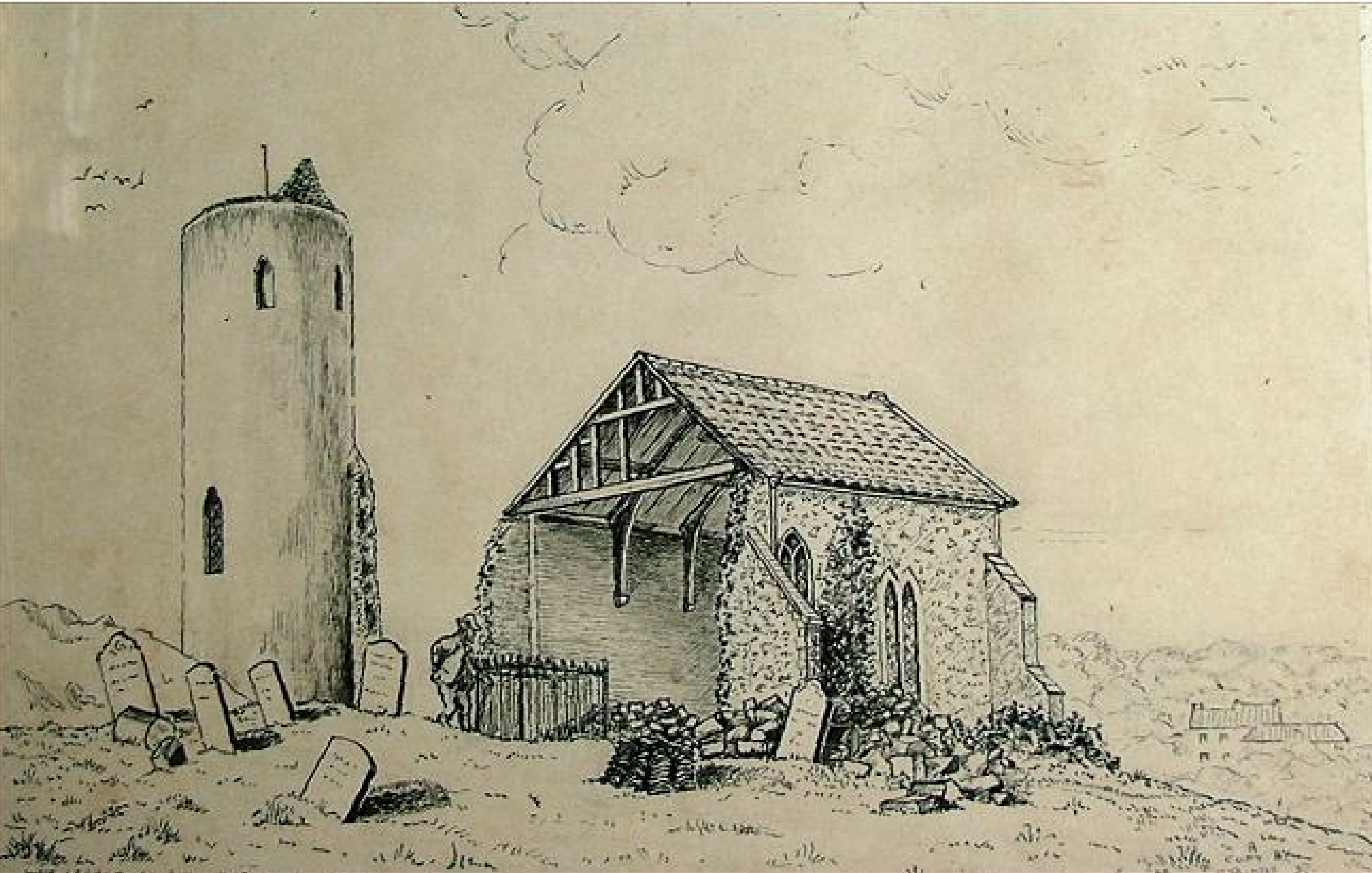
With thanks to Simon Knott for the above image of West Lexham
Possibly Little Massingham, as just one of the family churches, was getting a little tired too. Certainly the last monumental evidence of the family at Massingham is a ledger slab of April 24th 1664 and dedicated to Charles Mordaunt, the 4th. Baronet:
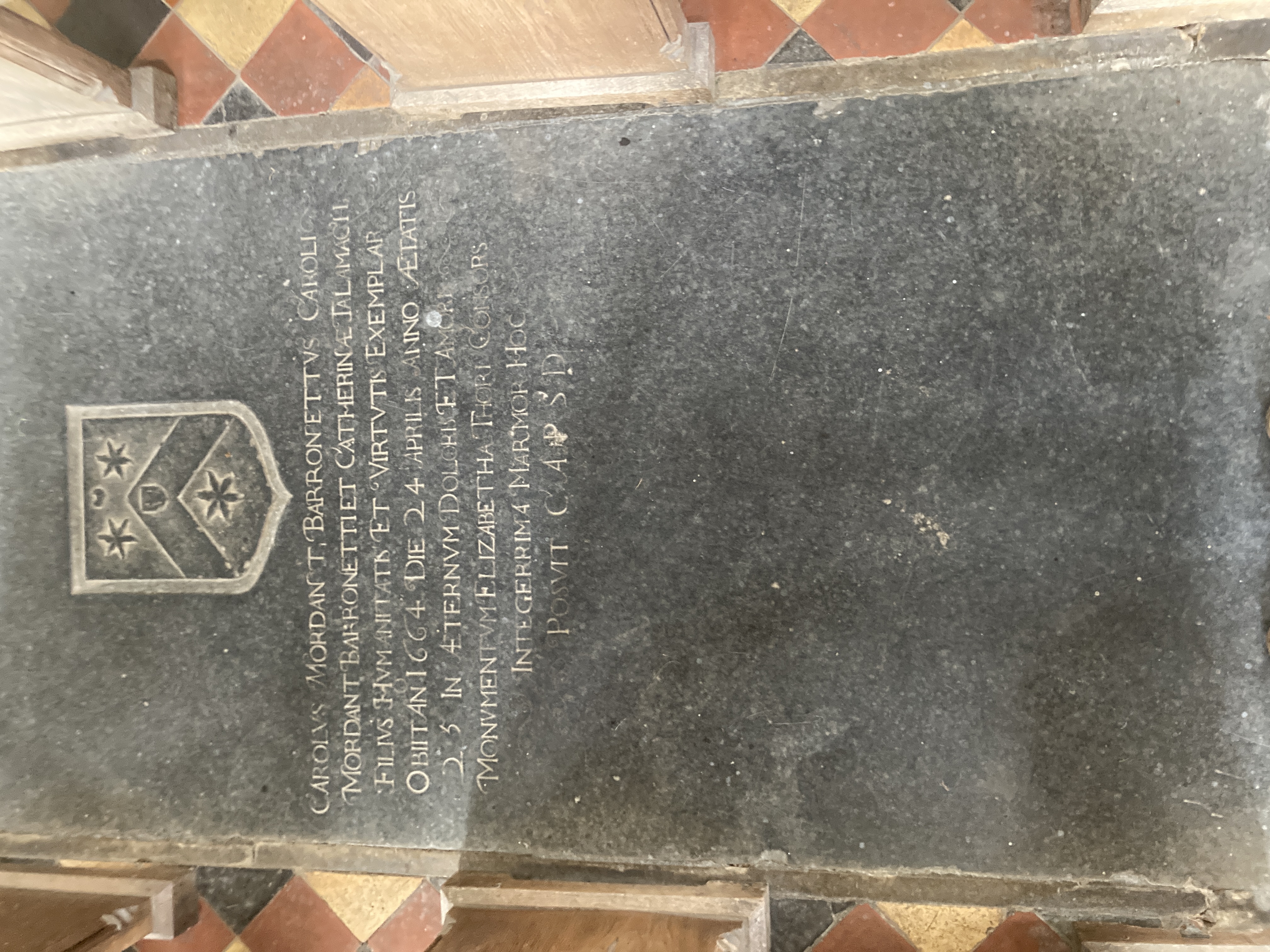
He was the Great Uncle of our Revd. Charles and by this time the family seat had moved to Walton D’Evile, in Warwickshire. Not too bad a start in life, just a shame about the title and the family money!
Regarding his workload in Ryburgh, it is difficult to say because a succession of Curates kept the services and offices of the church going on a day to day basis. Starting with William Norris in 1759, continuing with John Christian (also Rector of Knapton) until his death at the Rectory in 1787. Next briefly was William Erratt who went on to be Rector of Shereford followed by Love Robertson, later Vicar of Bridstow, then Thomas Skrimshire (Officiating Minister) occasionally Peter Sandiford and finally came Josiah Webb Flavell (also Rector of Stody) until the institution of the Revd. William Ray Clayton in 1820.
There is an N.B. written in one of the Ryburgh Registers in what appears to be the hand of John Christian, that records the ending of one unfinished volume and the beginning of a new legally required arrangement of record keeping. It reads:
“N.B. An Act of Parliament imposing a Tax of Three pence on Births, Burials & Marriages (which renders this Register useless) took place the 2nd. Day of October 1783”
This piece of legislation had the effect of the registers being signed more regularly by the officiating priest, whereas prior to this it was more down to the whim of the priest, with only the bottom of pages signed at most, some clerics being more diligent than others in this respect. In addition, it is not always easy to determine if the script of the entries is the handwriting of the signatory. For instance is this unsigned page in the handwriting of Mordaunt in the recorded burials for 1760 onwards?:
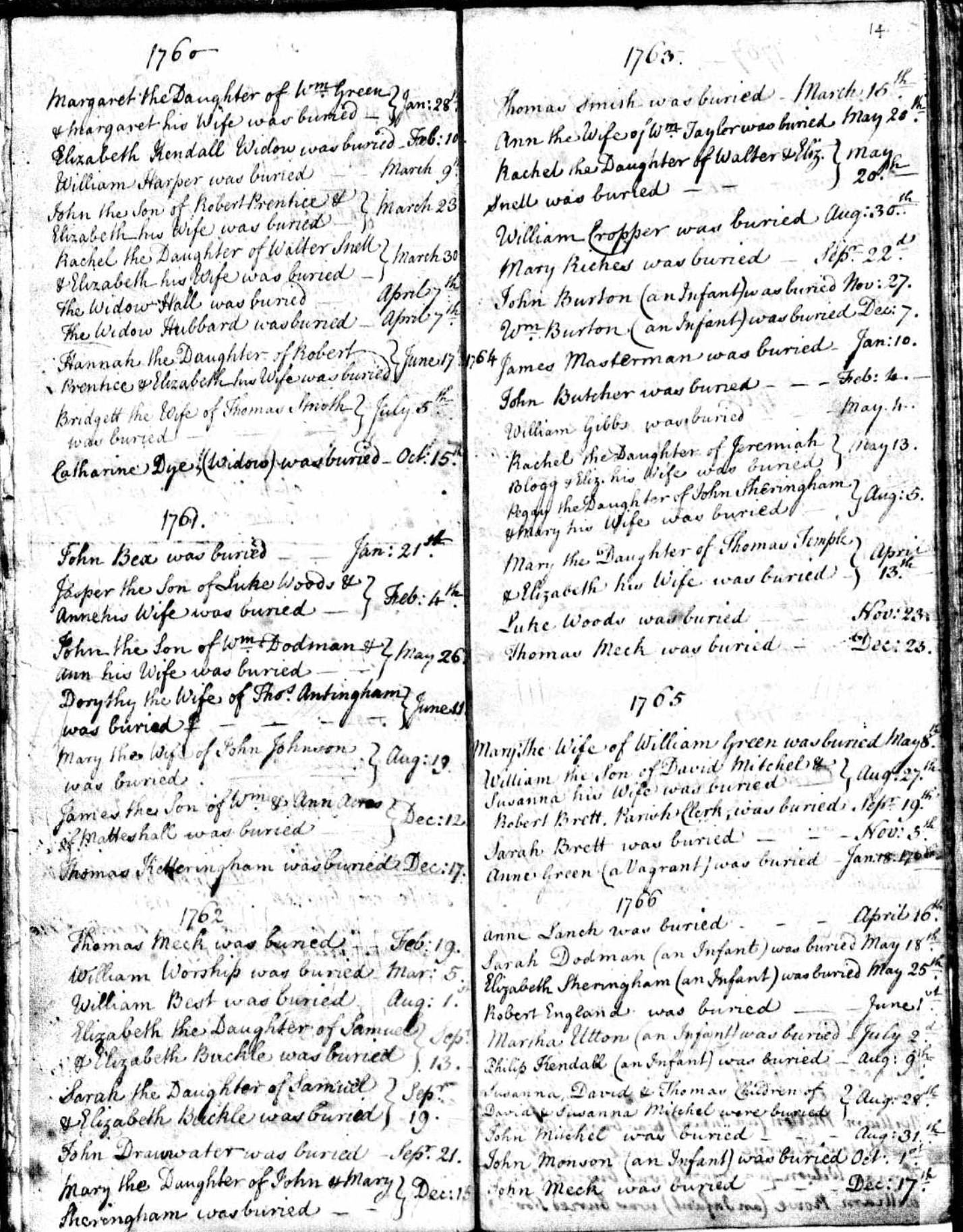
Compare with a signed page of baptisms 20 years later:

Compared with a signed page of baptisms 20 years later:
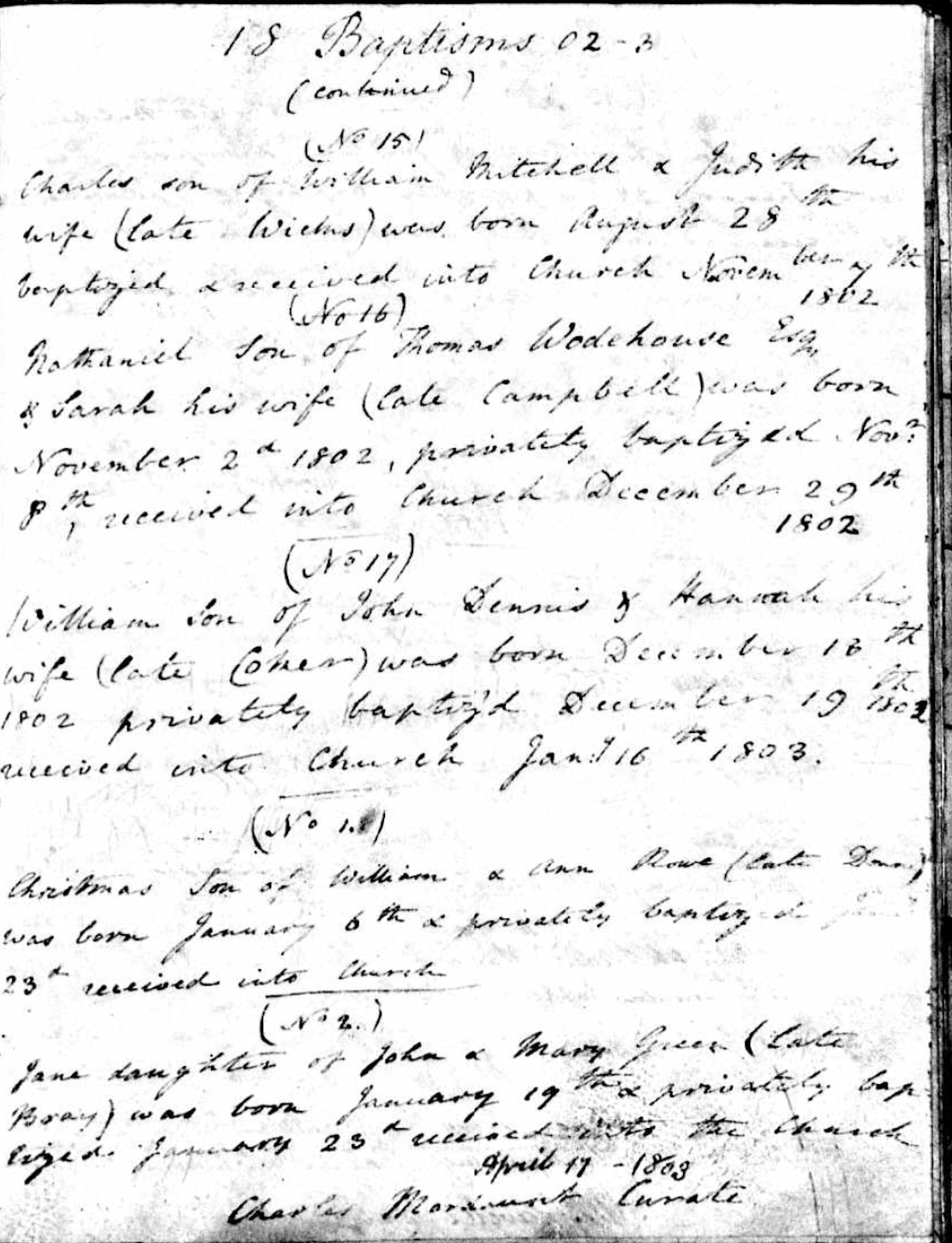
The one thing it doesn’t confirm is whether or not these burials and baptisms were all carried out by him or he just summarised the activities of others in the process of record keeping?
His signature also appears on 2 pages of Archdeacon’s transcripts from 1772 and 1779.
Marriages and Banns were recorded in specially printed registers and do confirm that he did conduct marriage ceremonies and read banns. From this we can be fairly sure which Sundays and in which years he was in the village and at least have an idea of the extent of his “hands on” in Ryburgh.
Marriages:
1767:June 8th. /October 12th.
1768: August 9th.
1770: October 29th.
1771: June 17th.
1772: May 7th. / November 9th.
Banns:
1767: June 7th/ 11th October
1769: 23rd /30th July
1770: 28th Oct
1771: 2nd,9thand 16th June
1772: 3rd. May / 26th October
1777 7th September
1779: 4th July
1781: 11th November
1788: 5th,12th,19th October / 23rd, 30th November 7th December
1800: 12th October
In simple terms in the 60 years of his tenure, he read banns on 20 Sundays (out of a possible 3120) and conducted 7 weddings (out of a total of 201)and officiated at an unknown number of burials and baptisms. This of course will not be the whole truth and although I haven’t thoroughly checked the Little Massingham registers, he seems to be very much more of a presence in his home territory.
As to his domestic arrangements, he made a “good marriage” to Charlotte Musgrave, born 1752 at Edenhall the second of 6 daughters born to Sir Philip Musgrave 6th Baronet of Edenhall Cumberland and MP for Westmorland and his wife Jane Turton. The marriage was by license, costing “Two hundred pounds of good and lawful Money of Great-Britain” to be paid to Richard Terrick “by divine permission Lord Bishop of London”. It took place at St Marylebone Westminster on May 24th 1774 and was conducted by Chr. Musgrave, Minister who was most likely her uncle?
The couple had two children, a daughter Charlotte who was probably the elder, born in 1775 and died in 1845 in Leamington Priors, later to become Leamington Spa, and Charles, born March 26th 1776 and baptised on April 17th at Little Massingham St. Andrew, the last of the Mordaunts to be baptised there.
Their mother Charlotte seems to have been something of a society figure, sufficiently so to have had her portrait painted by Sir Joshua Reynolds and later engraved and published. Unsurprisingly it was a much treasured family piece, though its current wherabouts is not known since last being reported hanging in the rebuilt Walton Hall, home of the 10th Mordaunt Baronet in the 1880's.
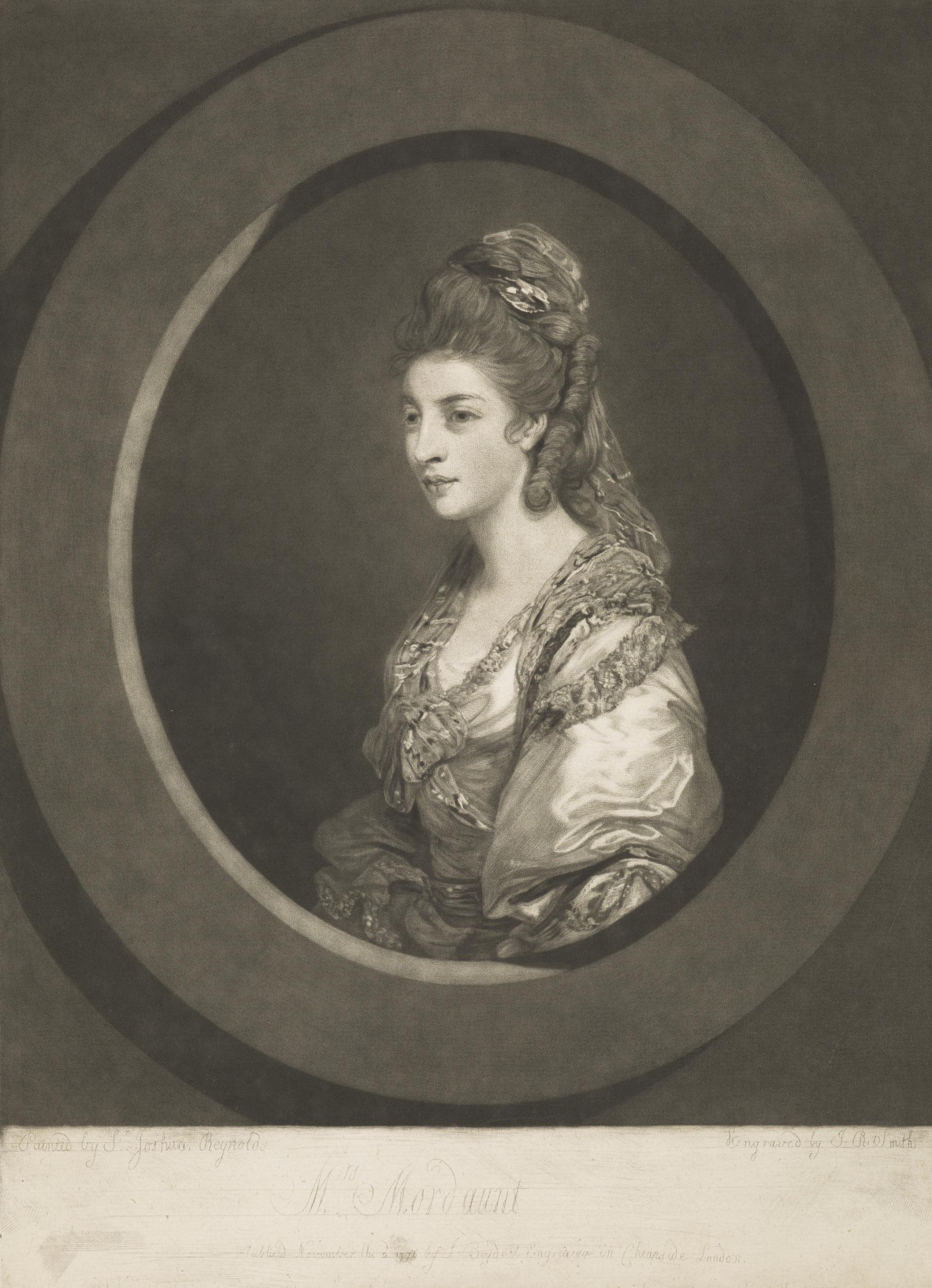
© National Galleries of Scotland: Charlotte (Musgrave) Mordaunt, Wife of the Rev. Charles Mordaunt, Rector of Massingham.
Reynolds also painted her sister Henrietta.
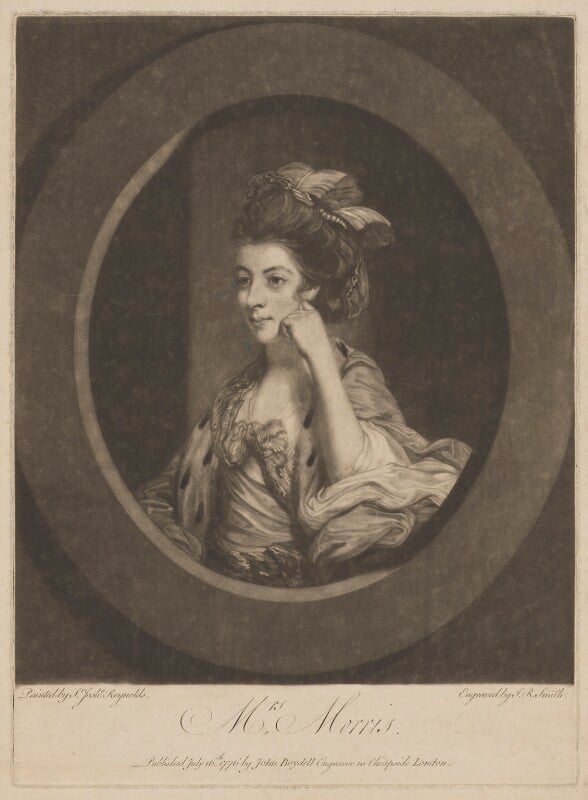
© National Portrait Gallery: Henrietta Morris (née Musgrave), Lady Morris published by Henry Graves & Co, after Sir Joshua Reynolds mezzotint, published 11 October 1777 NPG D39051
Nothing of a similar ilk would seem to have survived in respect of the Revd. Charles but their daughter, Charlotte however was in turn memorialised in chalks in 1803 by the artist John Downman and at least two versions of this portrait survive, one in the N.T. collection at Killerton in Devon and the other in private hands
Revd. Charles bequeathed his earthly possessions to his two children when he died in 1820.
By this my last Will I leave to my daughter Charlotte Mordaunt, all the stock in the 3% Consol which may stand my name at my death I leave to her likewise, all the furniture, plate, books, China et cetera in the house in which I die. I leave the money charged upon Lady, Mordaunt’s estate to my son, the Reverend Charles Mordaunt, whom I appoint my executor and residuary legatee.
By then he was widower and living in what must have been their town house and residence after his withdrawal from parish life in the early 1800’s. His wife Charlotte had died in 1816 and they were both buried at St Mary’s Church in Sunbury possibly in the Musgrave family vault in the church?
********
June 2026
The Children and Grandchildren
of the
Revd. Charles Mordaunt (1737-1820)
Charlotte Mordaunt 1775-1845
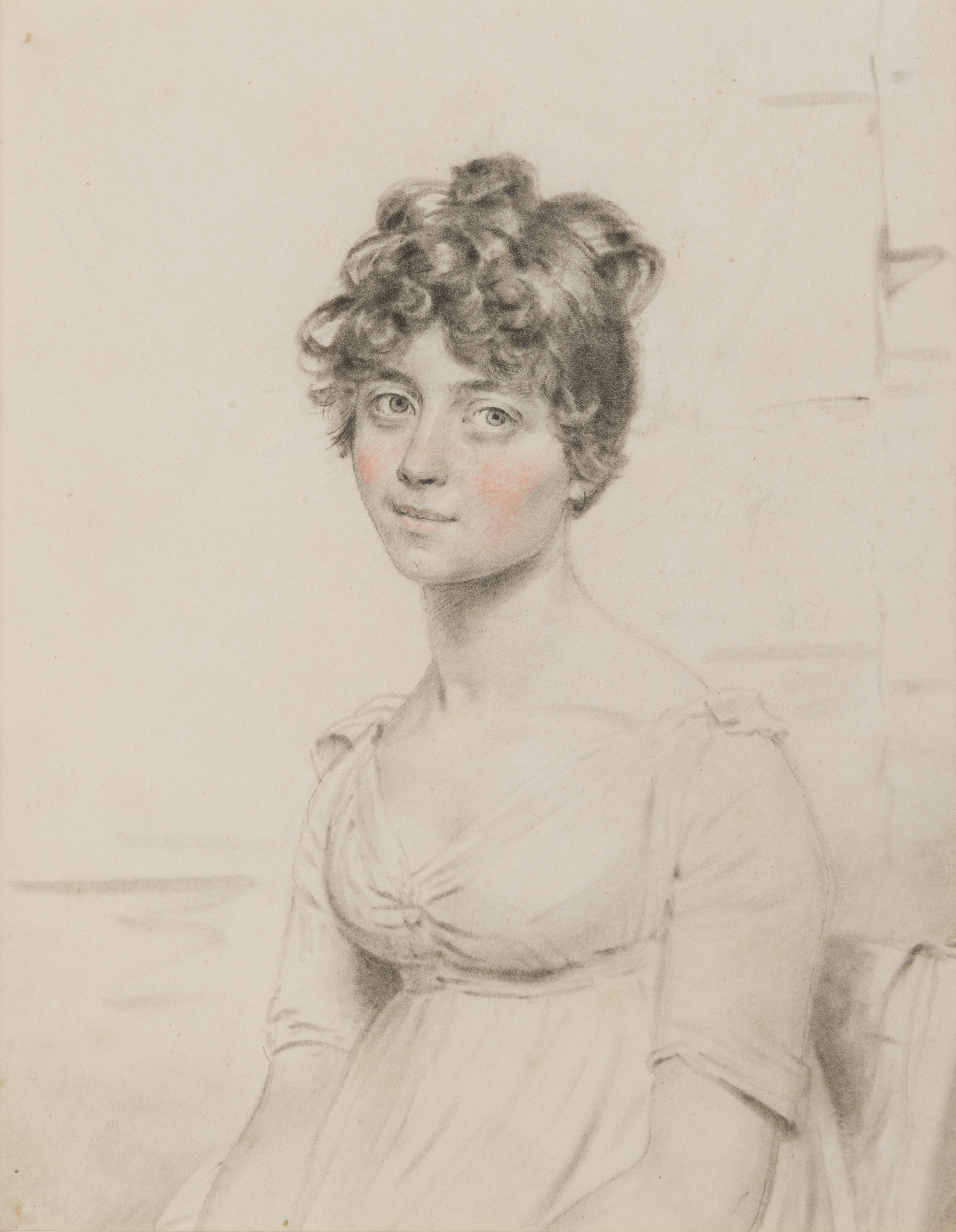
With many thanks to Guy Peppiat for the supply of this charming image
Miss Mordaunt, 1803. by John Downman A.R.A.
Written on the mount is the following comment by the artist:
“Her Rev. father said no one could take her portrait,
but was delighted to confess himself mistaken.”
To date I have found no identifiable record of her birth and so this date can only be extrapolated from the known date of her death and burial in “Leamington Priors on February 7th 1845 aged 70 years”.
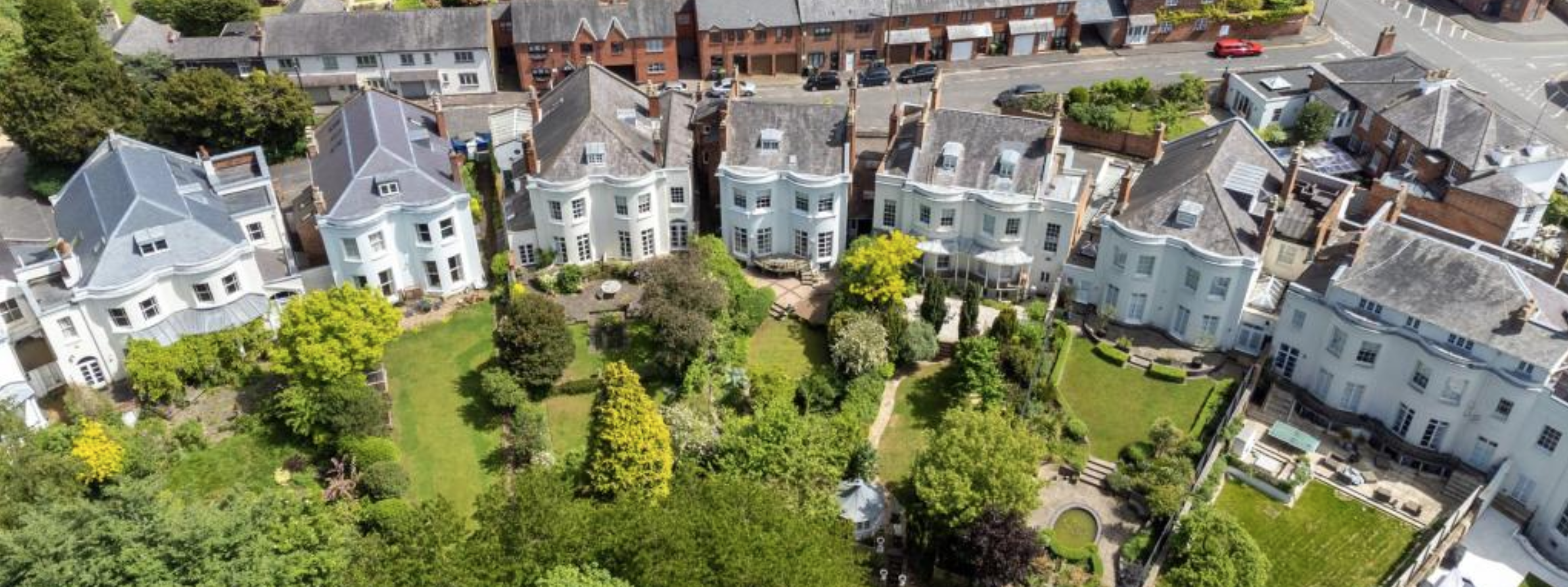
This is probably the best place to start with the uncovering of her life story, much of which comes from a reminiscence penned by her Great Niece, Matilda Charlotte Houston * née Jesse in her book "Sylvanus Redivivus, Letters and Reminiscences of the Rev John Mitford”Her age was such that she had to have been recorded in the Census of 1841, and indeed we find her in Clarendon Crescent, Leamington Priors in what was clearly a very fashionable and recently built town house in the up and coming, soon to be Royal Leamington Spa. The following names in the census schedule would appear to be those of her household of four female servants and one male. A look at recent floor plans for one of the houses below show rooms on four levels from basement to attic:
According to the “Reminiscences” she had been in Leamington Priors since 1831 “My dear old kinswoman elected to end her days, as she phrased it, in the companionship at Leamington of a friend of her own age, and who was, like herself, a spinster.” Charlotte then aged 51 had been living with her niece Matilda and her father Edward Jesse since 1827 when her own uncle Heneage Legge died. It would seem that her Uncle gave her a home after the Revd. Charles died, perhaps as it was just 3 months later the same year, 1820 that her Aunt Elizabeth Legge also died and so perhaps settled what must have been an unhappy period for the family?
Charlotte returned to support the 24 year old Matilda who had married clergyman George Lionel Fraser on June 12th 1832 by license and writes before his death in October 1833, and when pregnant with their son Lionel Mordaunt Fraser (baptised 4th June 1834) that:
“my mind was so perpetually haunted, that at length, unable to endure my mental sufferings alone, I wrote confidentially to my kind friend, Mrs. Charlotte Mordaunt, that I was miserable! She, who had always admired and appreciated my husband, responded to my appeal at once. Almost as soon as post-horses could bring her, she arrived at the pretty Shropshire Vicarage, which was then, with an improved income, our home, and during the fortnight of my dear relation's stay, I perceived little cause for uneasiness.”
We need to call on Matilda’s texts to illustrate the character of both the elderly lady and the young woman of Downman’s portrait. These recollections also emphasise the kudos attached to the Reynolds portrait of her mother and provide for us a very small glimpse of the life of the Rector’s daughter. From them we learn “She had from her childhood been accustomed to dwell in rich men's houses” from which we might infer that very little time was spent in the Rectories of her father’s several parishes. Her love and knowledge of things botanical seems to have been quite a feature of her life and it would seem that she lived a comfortable though not extravagant life and was not infrequently in the company of notable figures in society and politics. However it is best to read in full the memoirs concerning Charlotte and create a portrait of her her for yourself.
SYLVANUS REDIVIVUS. p26-30
The cause which led to our removal from Bushey Cottage was the necessity-one which cropped up very suddenly-for our taking a larger house. It fell about that an unmarried first cousin of my mother's, by name and title "Mrs. Charlotte Mordaunt," took it into her elderly head to make our house her home. She had lived with her uncle-in-law, Mr. Heneage Legge, till his death, and having conceived an affection for my unworthy self, the idea of promoting my interests by increasing my father’s income occurred to her mind. The realisation of this plan, involved, as I have said, the necessity of our removal to a larger abode; for "Cousin Charlotte's" possessions, in the shape of books, classically valuable, were large, to say nothing of an exquisite "Sir Joshua," her mother's portrait, which would of course be hung in her private sitting-room. She was not the least exacting, that wealthy old maid, who, beneath the simplest of manners and of dress, was without exception the proudest as well as the most fastidious of her sex. She had from her childhood been accustomed to dwell in rich men's houses; nevertheless, her domiciliation in our unpretending habitation was effected without eliciting on her part the faintest murmur of disapproval. In our pretty villa at Molesey, where we became the near neighbours of my father's old friend, the editor of the Quarterly, "Cousin Charlotte's" little sitting-room, with, on three sides, its well-filled dwarf bookcase, and over the chimney-piece the precious " Sir Joshua," speedily became for me the most valued of refuges. In that small square library it such it could be called), the one window of which had view upon a paddock, whereon our three cows "fed like one" I passed, after Mrs. L-'s departure, some of the pleasantest as well as the most profitable hours of my life. I had always, no uncommon taste, by the way, loved flowers, but it was in that quiet, bookworm-smelling boudoir that I, under my cousin's tuition, learned something of the science of botany, and that my love for gardening in all its forms grew and strengthened.
I have not as yet mentioned that, in addition to the royal parks and palaces, the gardens appertaining to those palaces were under my father's surveillance, and this being the case, he was fortunate in securing the services as head and landscape gardener, of a man as remarkable for taste and practical knowledge of his profession, as he was for his morose disposition and singular bearishness of manner. Between this man, whose name was Johnstone, and our new inmate there soon existed a very excellent understanding. The former was quick to perceive, as well as ready to show respect to the possessors of real and incontestable knowledge; and therefore Miss (or rather Mrs. Mordaunt, for the dear little woman had lately assumed brevet rank) was always treated by him with a deference which he never accorded either to his employer or to the Ranger, who seemed to enjoy, when accident threw him in the way of the surly Scotchman, a chat with that invaluable functionary. It is needless to say that the treatment meted out to "Cousin Charlotte" was due to her botanical acquirements, and to her love of trees and flowers, which Johnstone was quick-witted enough to perceive had the merit of being genuine.
The near neighbourhood of our home to that of my father's old friend, John Wilson Croker, was the means of our becoming acquainted with several literary and world-famed characters. Amongst these I may mention Theodore Hook, James Smith, Sir William Follett, the poet Moore, Sir Francis Chantrey, and Sir Thomas Lawrence. The two latter were, I recollect, especially introduced by their host to Mrs. Mordaunt, and this professedly on account of the ownership by our cousin of the " Sir Joshua" which adorned her sanctum. I can see Sir Thomas's tall figure before me now, as he stood admiringly in front of my grand-aunt's portrait. He had a pleasant face and a courteous manner, which contrasted agreeably with Mr. Croker's short stature, and fussy, self-important demeanour. The successful man did the honours both of the portrait, the Mordaunt family generally, and of the artist, one of whose exquisite works was of course the theme of his lecture, with an air of patronage which, as I could plainly see, was irritating beyond measure to my cousin.
Beneath the homely dress she wore, the old Norman blood of the Mordaunts evidently rose up in silent protest against the pretentious off-handedness of the Mayo gauger's son.
CHAPTER X. SYLVANUS REDIVIVUS. p.117
In the year 1831 an event which had the effect of causing my father to seek another home, occurred in our family. My dear old kinswoman elected to end her days, as she phrased it, in the companionship at Leamington of a friend of her own age, and who was, like herself, a spinster. As a matter of course, she took with her, to our great regret, the " Sir Joshua " * which had so long ornamented her sitting-room, and her place looked doubly empty in that it no longer contained the gem of art, which more than one distinguished man had made a pilgrimage to gaze upon.
*Matilda Charlotte Houstoun (née Jesse; 16 August 1811 – June 1892) was an English travel writer, novelist, biographer, and women's right activist.
Whilst there has been very little biographical to discover about the Rector, it has been the family’s position in “society” that has been responsible for the little we know about Charlotte and her mother, Charlotte Musgrave. The very portrait of Charlotte above, sold by Guy Peppiat, a dealer in fine arts is given provenance by Downham himself :
In the book “John Downman: His Life and Works by Dr. Williamson with a Catalogue of his Drawings" published in 1907 he includes a List of Portraits, including a “Complete List of Portraits in the Sketch Books
from Butleigh Court.” He writes the following:
“They (the sketch books) were purchased in 1845-6 by the late Hon. and Rev. George Neville Grenville, Dean of Windsor, and of Butleigh Court, Glastonbury. They were sold by Miss Downman, who had received them from the artist and cherished them for many years. They are not all of one size, some volumes being nearly folio and others about quarto size, but in every case the sketch-book has an interesting title-page drawn by the artist himself and a list of its contents, while at the foot of each sketch there is a note concerning the sitter. As we have just mentioned, these notes are in some cases rather fuller of detail than the similar note the artist appended to the finished portrait. The sketch-books comprise four series. In the second series there are five volumes, in the third four volumes, and in the fourth six volumes. The first series did not come into the possession of Mr. Grenville, but had, it is believed, been sold by Miss Downman on an earlier occasion. It is now scattered, one or two volumes of it belonging to Lord Rosebery, while others are in the possession of different collectors. The best sketch-books, however, went to Butleigh Court, and have now descended into the possession of Mrs. Maitland, by whose very kind permission many of them have been reproduced for the first time as illustrations to this book. They are the chief sources of our information concerning the artist, supplemented only by a fewdetached reminiscences and a few letters. The notes appended to the sketches are very often of a distinctly personal nature most interesting to peruse”
In the 5th volume of the Fourth Series we find Charlotte as number 17 complete with Downham’s comment about her Rev. father. She shares this volume with an interesting selection of society figures including, Horatio Nelson, the Danish Consul and his wife and Benjamin D’lsraeli’s mother!
The National Portrait Gallery, which holds 33 of Downman’s works in its online collection, says the following about Downman:
“His popularity was largely dependent on his ability to work quickly and in quantity. In order to do so he gave up portraits in oil and devised a technique of working in chalks that allowed him to reproduce up to ten or twelve versions of the same portrait.”
The above mention of the duplication of portraits coincidently applies to this portrait of Charlotte. Which, with its inscription on the mount, is of reasonably modest size, being 12 x 9 ½ inches. At least two versions of this portrait survive, the other one is in the N.T. collection at their Killerton property in Devon. Although its provenance is contemporaneously annotated on the reverse, the sitter has been identified in their catalogue as a different Charlotte Mordaunt, the Honourable Mrs Benjamin Abin (d.1716/20) The NT photograph is very out of focus but would appear to read thus:
On the border of the frame:
"Miss Charlotte Mordaunt daughter to the Rev Mr Mordaunt
180? By Mr Downman painter"
On the backing panel:
"This portrait of Charlotte Mordaunt to be
given to her cousin Mrs Mary Erskine *now
being with her Rev father Mr Mordaunt at
Eltham Park
Heneage Legge**
Putney date? 1823"
Downman’s sketch-book gives the date 1803 for this portrait
*"her cousin Mary Erskine" (née Mordaunt), one of the 6 daughters of Revd Charles’ older brother John Mordaunt who became the 7th Baronet upon their father’s death. Mary married John Erskine, son of Lt.-Gen. Sir Henry Erskine, 5th Bt. and Janet Wedderburn, in 1802 ……she died in 1821.
**"Heneage Legge” Charlotte’s uncle by marriage to her mother’s sister Elizabeth Musgrave
I still await confirmation from the N.T. that I have interpreted the labelling correctly.
Revd. Charles Mordaunt 1776-1823
Charles was the only son of the Revd. Charles Mordaunt and Charlotte Musgrave born on March 26th and baptised at Little Massingham St Andrew on April 17th 1776. He was the last Mordaunt to have been baptised there and suggests that for a while at least the family were living in the village?
Dec 21st 1792: matriculated (i.e. admitted to study at) Christ Church Oxford aged 18
1796: gained his B.A.
May 12th 1799 : Ordained a Deacon
June 15th 1800 : Ordained a Priest by the Bishop of Bath & Wells at St George’s Hanover Square
June 17th. 1800 : Institution to the Rectory of Badgworth by John Boak Rector of Brockley and Curate of Badgworth.
It is interesting to observe how preferments operated at this period, for on the same opening of the Badgworth Register 3 years earlier we find that Love Robertson M.A. was “inducted into this ParishChurch 10th Octbr. 1797 By Jno. Boak Rector of Brockley. “Robertson had been curate at St. Andrew’s from 1793 and Badgworth was certainly in the patronage of the Mordaunts in the 19th Century
7th March 1804: Licensed Curate at Little Massingham St Andrew
April 24th 1812: He married Frances Henrietta Sparrow (Oct 1785- 7th July 1866) of Flax Bourton Somerset by Licence costing £500 to the Bishop of Bath & Wells.
5th July 1814: Licensed Stipendiary Curate at Backwell
They had 5 children:
Revd. Charles (lll), born and baptised on July 8th 1813 at Backwell.
John born the following year (1814-1881)and was a military man with the 17th lancers.
James b 1817
Henry b 1818
Charlotte Letitia (1821-1887)
The Burial Register for Long Ashton gives the date of November 12th 1823 for Charles' interment.
Revd. Charles Mordaunt (1813-1861)
Revd. Charles Mordaunt (lll) was appointed to the Badgworth Rectory from 1838 until his death on Oct 11th 1861. He married Anne Lott on December 20th 1851. She died aged 29 in 1859. They appear not to have had children.
********
July 2026
It has been one of those times when “stuff” just turns up, in fact quite recently on 2 consecutive days. The first which came with Helen Easter, was an old book with no front cover, title page or other identifying text. It was clearly a directory and looked familiar enough to know just where to look on my computer for the answer. It was just as well I was able to identify it from the “Ryburgh Magna” entry which, unlike other parts of the book, was in relatively good condition. It turned out to be:
William White (1836), History, Gazetteer, and Directory of Norfolk, and the City and County of the City of Norwich, Printed for the author by R. Leader
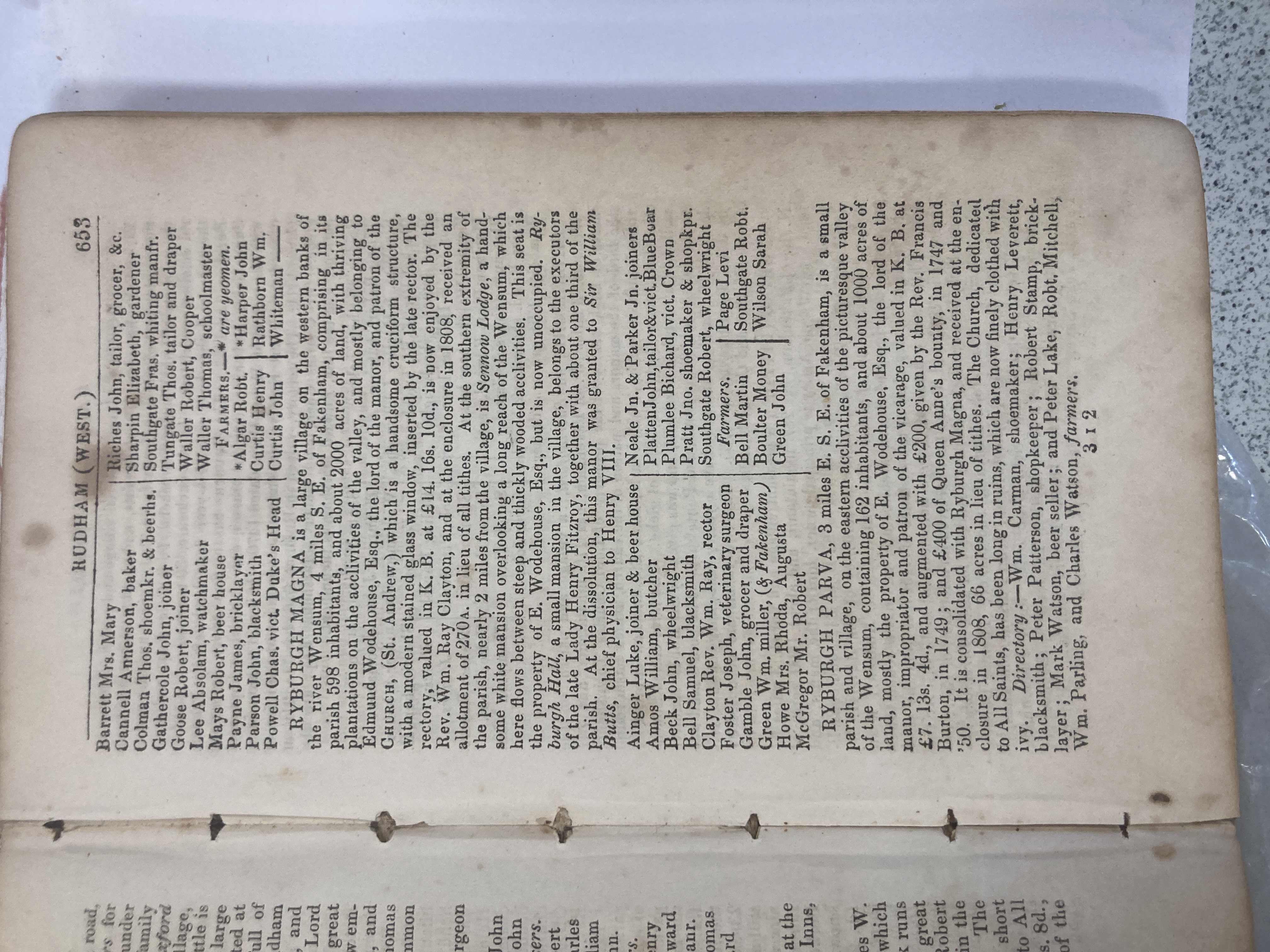
This was his first edition of several similar publications that were updated and printed during the 19th Century. These things are available digitally nowadays but it was pleasing to see the real thing, albeit in its distressed state.
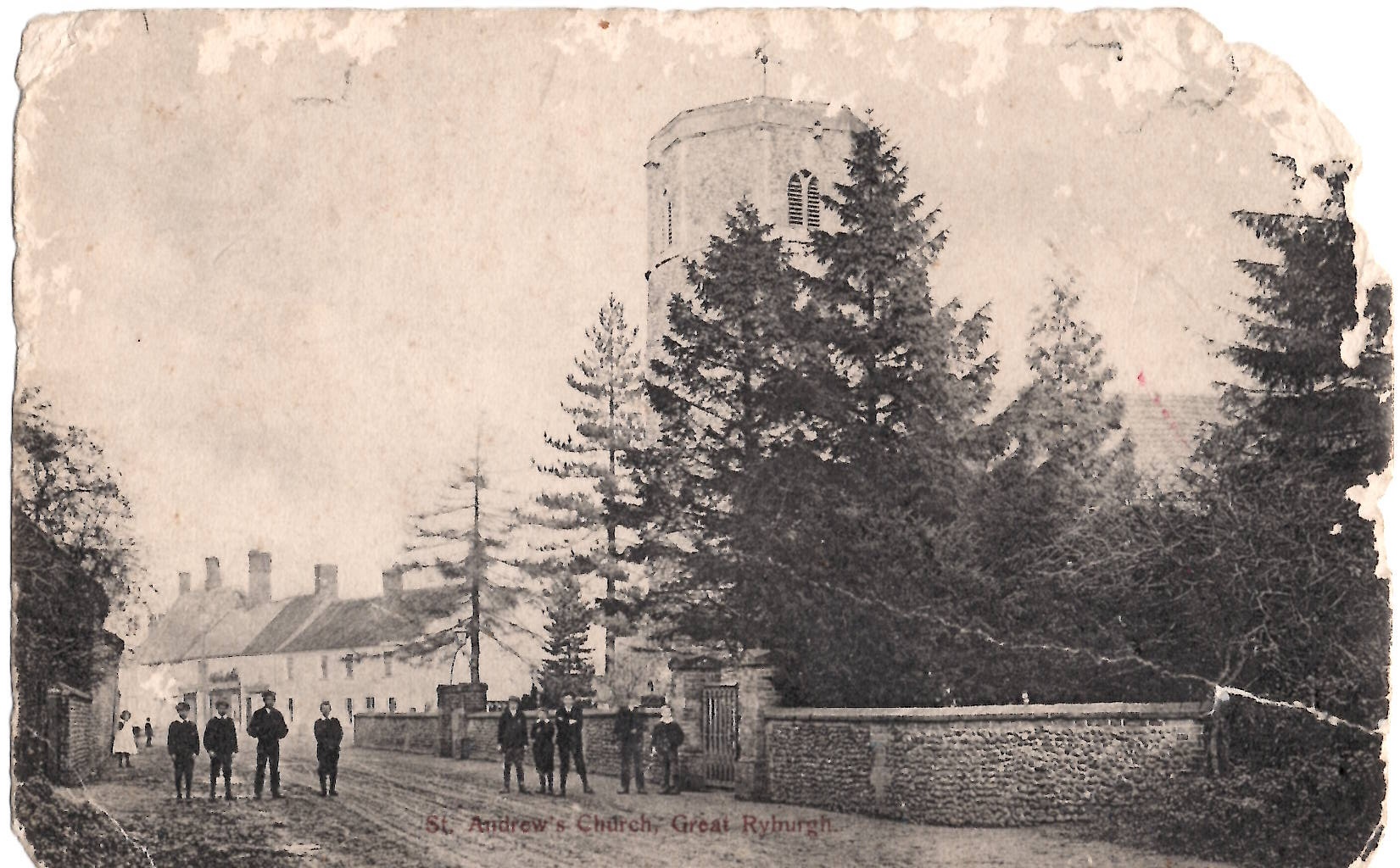
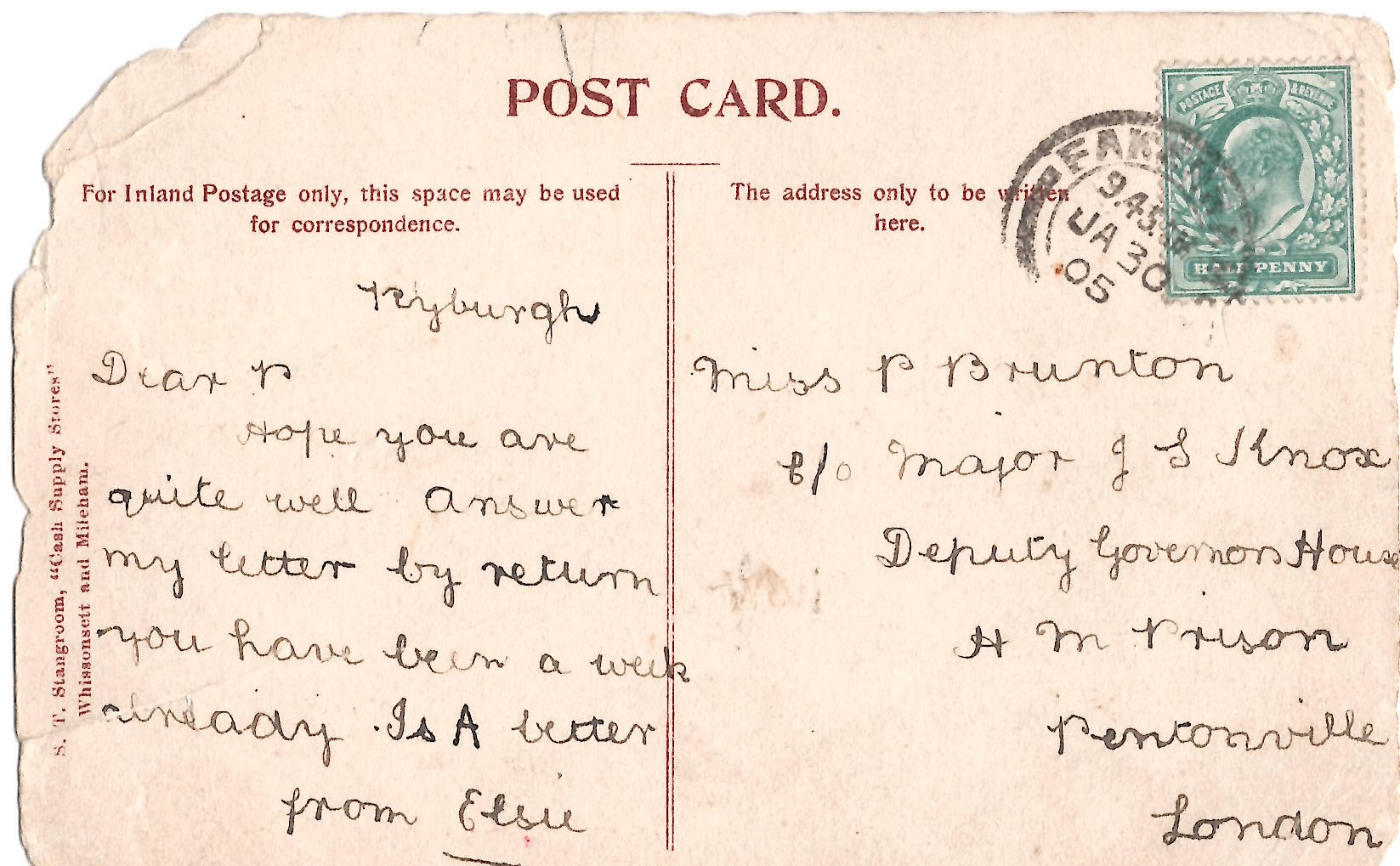
Which state brings me neatly to item two that came with Madelene Fuller. This was a rather moth-eaten (though silver-fish were probably the culprits) postcard of the church, posted on January 30th 1905. The message was clearly written “from Elsie” to “Miss P Brunton c/o Major J.S.Knox, Deputy Governor’s House, H.M. Prison, Pentonville, London.”
Elsie writes: “Dear P. Hope you are quite well. Answer my letter by return you have been a week already. Is A better from Elsie.”
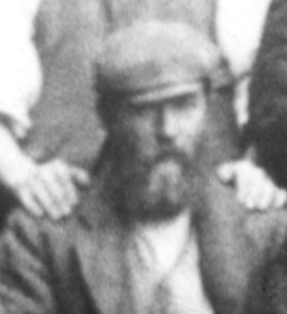
As you might suppose, I have been unable to resist trying to find out who’s who and this is what I found. I knew the surname as their father, John Brunton was a bricklayer who worked at the Maltings and is pictured on the 1901 photo of all the employees:
The Brunton family was a large and complicated entity, probably best left to others to interpret. Safe to say however that Elsie was the youngest child of the family, born to John Brunton and Dinah Baxter in 1892. Dinah had two “illegitimate sons of” born and baptised in Itteringham; Henry Baxter in 1877 and Charles Baxter in 1879.
John (Jack) Boswell Brunton was born in Thursford in 1849 the son of a Tile maker of the same name and Susan his wife. Jack married Leah Baxter (Dinah’s older sister) of Itteringham, daughter of James and Mary Anne Baxter at Thursford in 1869. They went on to have 6 children 2 boys and 4 girls, the next to youngest being Polly. They began life in Little Snoring before moving to Oak Street in Fakenham. Leah died in Fakenham in January 1889 and the family continued to live in Oak Street but by 1891 Dinah is now listed as “wife” in the Census. Eldest son Arthur John was still living at home but was to marry later that year and worked as a boot-maker. Was the the A of the postcard? His brother Frederick William joined the Army that year and for some unknown reason declared his real name to be Frederick William Starling before a Justice of the Peace. He married in 1899 when he was posted to Ireland and saw service in India, Ceylon, South Africa, Malta, Gibraltar Mauritius and the East Indies where his 7 children were all born. After a 21 year and 194 day career he finished as a Sgt. Master Cook in 1913. Sisters Alice, Anne, Polly and Florence were all at home along with “nephew Harry Baxter” Dinah’s son Charles continued living with her parents in Itteringham.
From the 1901 census until their deaths Jack and Dinah lived in Great Ryburgh as man and wife. No record of their marriage can be traced and Dinah was buried as Dinah Baxter in 1926 in the same plot (67) as John who had died in 1924 at Little Ryburgh in the “N[ew] C[hurchyard]”. The 1911 Census shows Elsie living with them as a dressmaker, and that a further sibling had died during the marriage. Elsie married George T. Goodall a painter and decorator in 1919 and died in November 1960 in Yaxham.
And so to half-sister Polly, by the 1911 Census she had been married since 1906 to widower Henry Stevenson Haselgrove, a postman, 9 years older than her and with two children, living in Hornsey. It has not yet been possible to find her in the Census of 1901 but it could be that she was in service with Major Knox and is recorded on a particular barracks census return. Major Knox himself is also not easy to find, except we can say he was in the prison service as Deputy Governor of Pentonville as the postcard states and at the same time not to be confused with Major James Knox Governor of Wandsworth Prison! Later as Lt. Colonel J.S. Knox O.B.E. he was to be Home Office Prison Commissioner and a Director of Convict Prisons.
Henry Haselgrove died in August 1924 and that is the last I can trace her unless she is the Polly Haselgrove who married Francis Clarke in Edmonton in 1936 and the Polly Clarke who died in Haringay in April 1965.
********
August 2026
.
Since taking an interest in postcards I have come across a number sent from Ryburgh during the First World War. More specifically cards sent during the closing months of 1914 until April 1915 from solders of the Bucks Hussars who were stationed in the village before leaving for Egypt and then on to Gallipoli. Topping the list of “finds” are the 8 cards sent by Captain Archie Canvin to his home in Stony Stratford and whose story can be found HERE on this site.
Then there are individual cards, for example, from Richard Panter, the youngest son of farmer Henry and Jane Panter originally from Wicken in Northamptonshire.
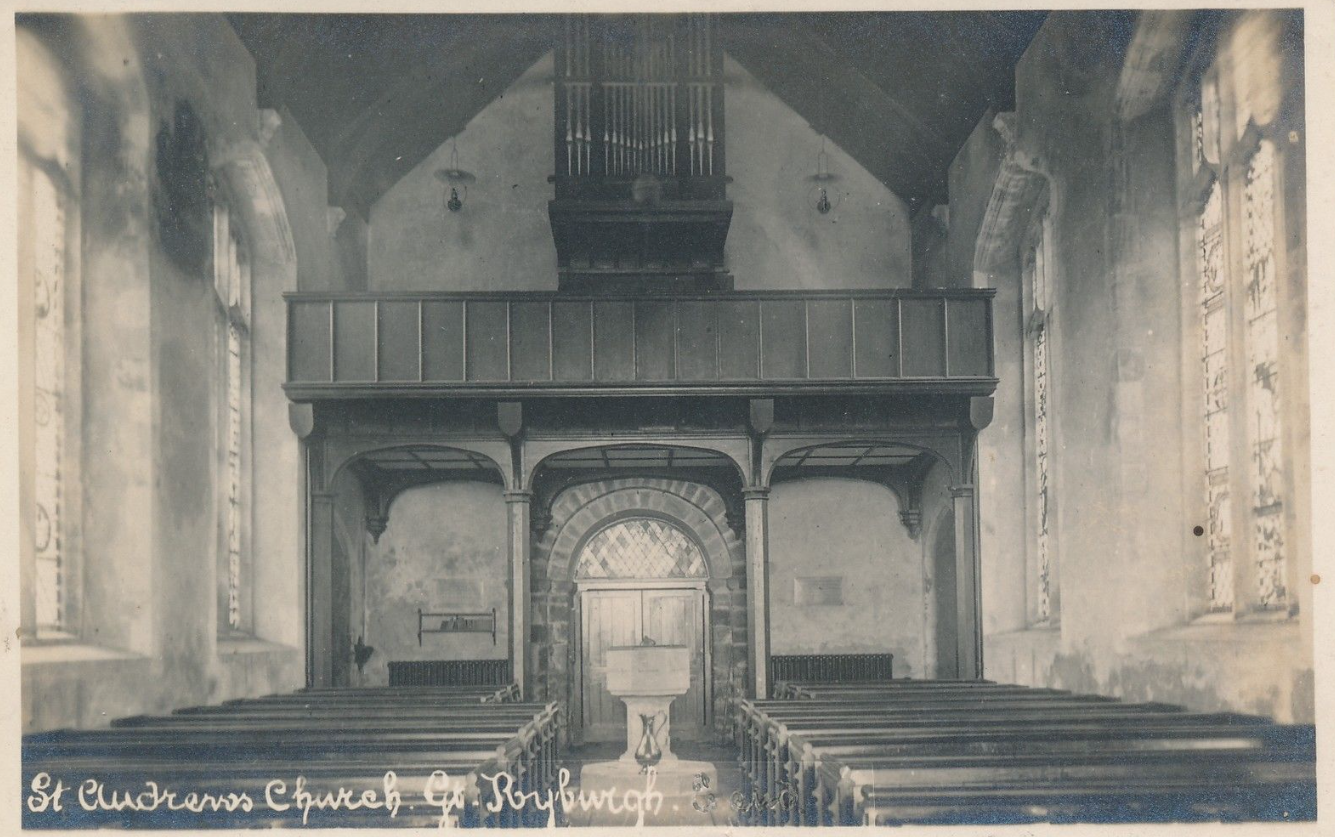
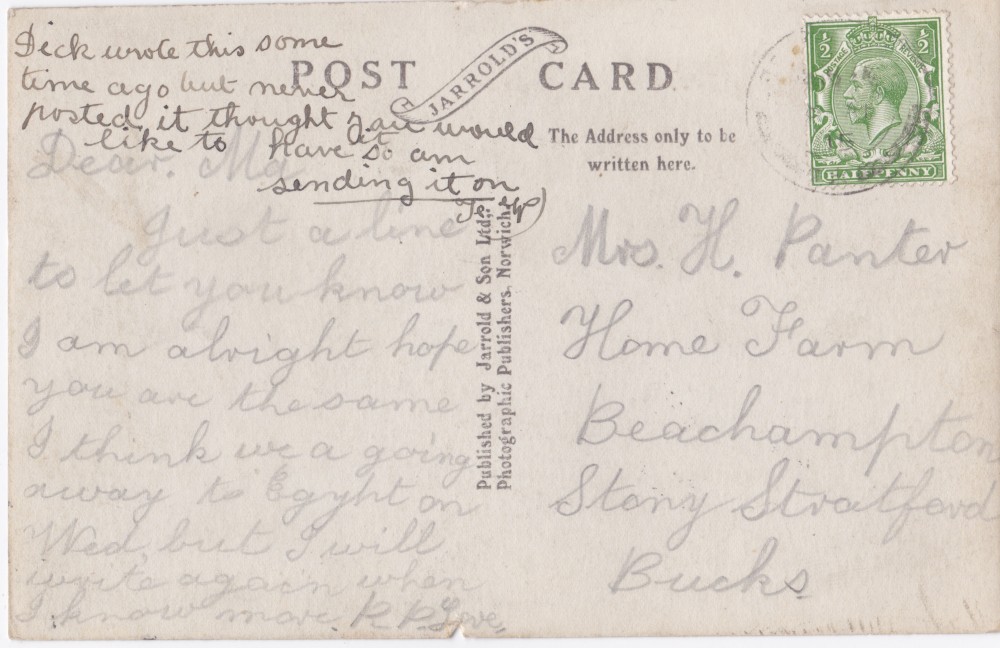
It is a card showing an interior view of the church, written to his mother Jane in Beachampton. He forgot to post it and it was forwarded by, one assumes, a fellow Bucks Hussar and known to the family. I cannot decipher whether the last part of the forwarding message reads as the sender’s initials or “to you”.
Richard survived the war and died in Beachampton in May 1956. His fellow Hussar and cousin who must also have been with him in Ryburgh, Reginald Charles Panter, was not so fortunate. He died on 21st August 1915 in the attempt to take Scimitar Hill at Suvla Bay, Gallipoli, a fate which claimed the lives of so many of his fellow Hussars. His body was never recovered, and he is remembered on the Helles Memorial, panels 16 and 17.
Some time ago online I found another card with the familiar street scene looking towards the School and Wensum House from the Church corner of which I took a note at the time but didn’t bid on, now to my regret.
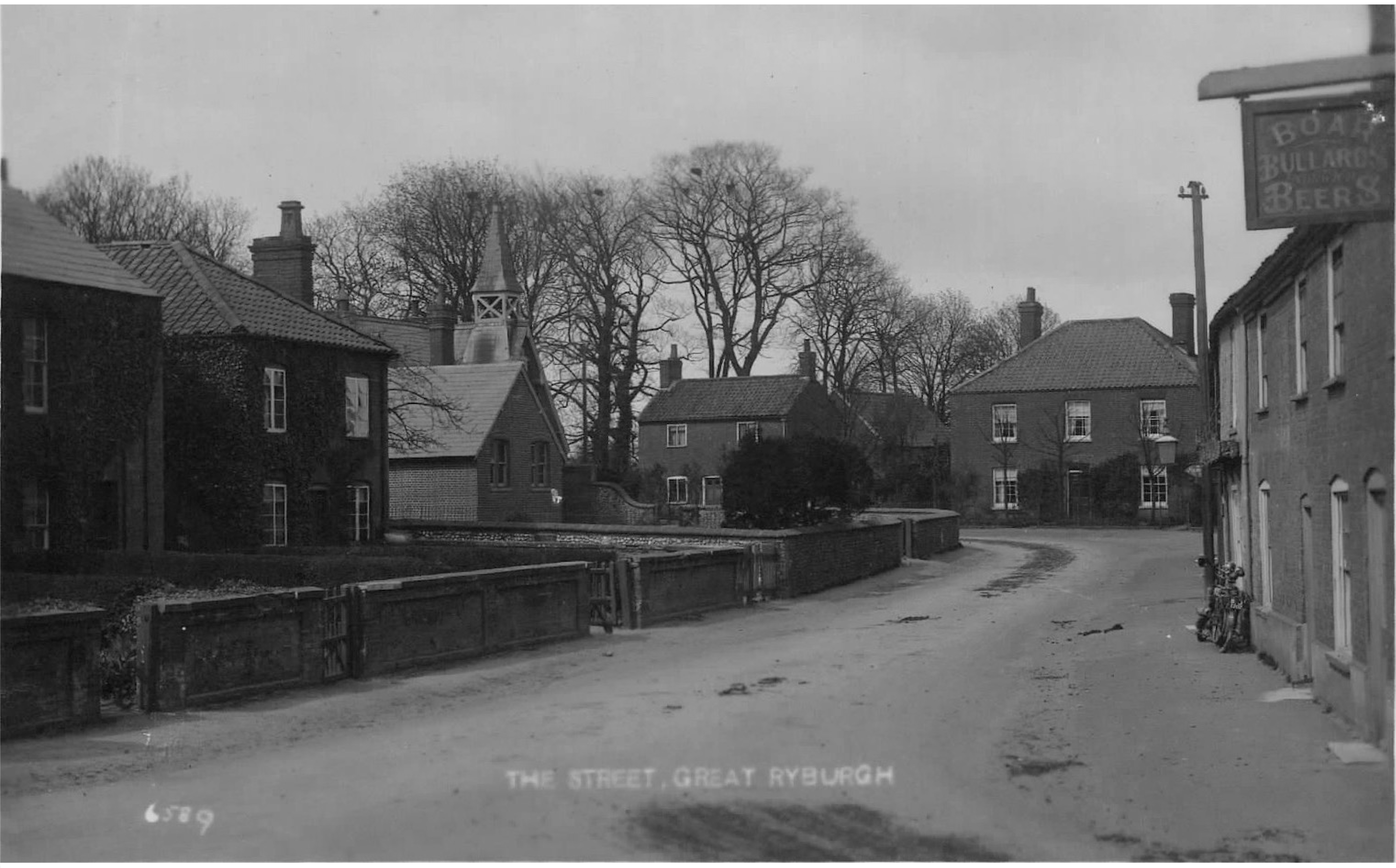
It was signed W. A. to [his Sweetheart?] Miss F. L. Tuddenham 95 Stratford Rd., Wolverton. Bucks. It read:
D.F.
I shall not be able to catch the post. I have been out drilling, also a lecture to attend. I hope all at 95 are quite well. I have just received your parcel. I am extremely obliged to you. I will write after the lecture to-night. Am waiting patiently for a letter. Kindest regards. Love w.a.
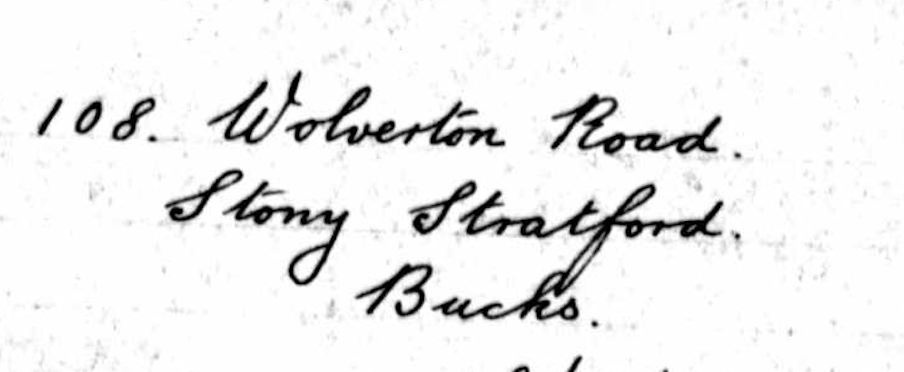
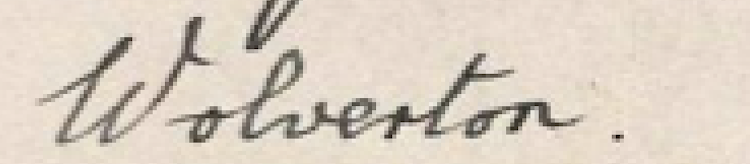
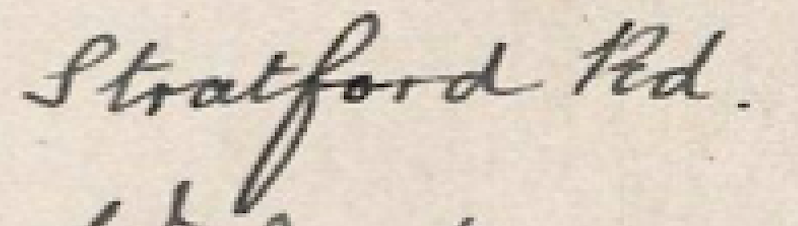
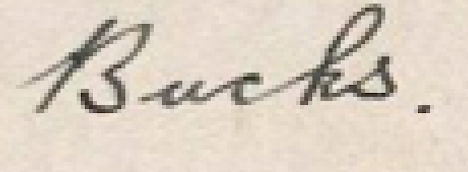
W. A. presented a challenge so I started with Miss Florence Lydia Tuddenham who was the older of the two children of "Railway Coach Finisher." Harry Tuddenham and his wife Eliza. She had trained as a pupil teacher before going on to teach at Wolverton Girls School. I searched for WA’s amongst those who were killed in the Great War and who had been in the Bucks Hussars and came up with a blank. I then looked for any marriage details for Florence and intriguingly came up with the name Archibald Watson who she married in 1925. To satisfy my curiosity I checked the wartime records for Archibald Watson to see if he had any connection with the Bucks Hussars. It was one of those lightbulb moments as the first page of the Attestation form read: WATSON Archibald. Could this be how he was known to Florence and hence W.A.? Fortuitously, there was WA’s handwriting on the postcard and 3 letters in the service records in Archibald Watson’s hand. To me they seem too remarkably similar not to be the same hand, notwithstanding that they conform to the writing style of the period.
Among the many clear examples of a similarity, from a letter in his Service Record:
The same words from the postcard:
His records reveal the story of a young man of 17, the son of Harry and Charlotte Watson, who joined the R.B.H as part of the new Territorial Force which was formed following the Army reorganisation of 1908. He worked for his father, a joiner and styled himself “joiner and builder” when he enlisted in May 1908, re-engaging annually until March 1914. This meant he was part of the army in waiting when war was declared, and a part of “A” Squadron of the Royal Bucks Hussars. After Great Ryburgh he went first to Egypt as part of the 2nd Mounted Brigade and on to Gallipoli. He survived the fighting in Suvla Bay but succumbed to Dysentery in September 1915. He was hospitalised in Cairo, and after rest camp proceeded with the Western Frontier Force to Alexandria from where he returned to England on 2 March 1916 as being “Time Expired”, and discharged with a Silver War Badge. He returned to his now cabinet making trade but spent the remainder of the War period trying to re-enlist, however he was not re-engaged. In 1921 he was working in Sheffield as a “Railway Coach Finisher.” He returned to home territory where he finally married Florence Lydia Tuddenham in July 1925 and moved to Long Sutton, Odiham in Hampshire. Tragically the marriage was short lived as she died after the birth of their only child Florence Mary Watson on January 4th 1928 aged just 33. On the probate documents Archibald is described as a “schoolmaster” which probably means he was a woodwork teacher. We find him again in the 1939 Register where he still has that status., and is still in Long Sutton teaching at “Lord Wandsworth’s College” . He is listed as being married, and indeed we find his new wife Helen Mary Watson in Banbury caring for her retired farmer father, Arthur Tustian. Archibald and Helen married in January 1933. They both died in 1975 at the age of 80.
********
September 2026


This month we have yet another story involving the Royal Bucks Hussars in this anonymous postcard sent in 1914 from Ryburgh by a soldier of the R.B.H. He finishes his missive: “Don’t forget address & No 1571 c/o Lieut Col Lawson Base Details R B H”
Were we looking at an Officer’s servant and not just any Officer but Lt Col. Harry Lawson Webster Levy-Lawson, former Commanding Officer of the Regiment until 1913 and on the outbreak of war Commanding Officer of the Bucks Hussars training regiment on home duties for the duration of the War? In addition he had been an MP, and on the death of his father, proprietor of the Daily Telegraph and the 2nd Baron Burnham.
But first things first: the Service Number 1571, in spite of sounding like a telephone caller identity number, turned out to be Arthur Plumridge, the brother of the recipient, Miss O[live]Plumridge who worked for the Post Office most of her life. Enquiries of Ian Beckett at the Buckinghamshire Military Museum Trust filled in the relevant information about Arthur. Ian writes:
I can confirm from our records that Arthur PLUMRIDGDE from LANE END, Buckinghamshire, born 24 May 1888 would have been in Major Fred Lawson's 'C' (High Wycombe) Squadron and would have been in Norfolk prior to embarking on the Menominee from Avonmouth on 8th.Feb 1915 for Egypt.
He enlisted on the 18th Sept.1914 and although he was a Master Baker in civilian life there is no record of being an officer's Servant, although he may well have been at some time, as he is listed as a Cook. He went with the regiment to GALLIPOLI 14 August 1915, and was in the attack on ChocolateHill when so many of the Regiment were Killed or wounded. He sustained a "Scratch" to his hand, which turned septic and he was sent to Hospital in Malta and finally invalided to England on 19 November 1915. He latterly served with the 2/1st RBH until discharged on 25 March 1919.
And so the Lawson name crops up again and indeed Major Edward Frederick Lawson was the nephew of the above Lt Col Harry Lawson. Major Fred eventually rose to the rank of Lt. Col, (though not at this time) and eventually became 4th Baron Burnham and although his uncle had sold the Daily Telegraph, he became its General Manager. There survives a series of letters that Major Fred wrote home to his wife from Gallipoli in 1915 and in one of which was his own grim paraphrase of Ten Green Bottles which reads thus:
Ten little Bucks Hussars sitting in a line,
Zip comes a bullet and then there were nine.
Nine little Bucks Hussars digging on till late,
One got a septic hand then there were eight.
I can’t help but wonder if this is the septic hand of Arthur Plumridge or was this just a common injury?
I had also seen Major Fred’s name earlier in his career as a humble 2nd. Lieut. in a dramatic news clipping that was published quite widely, like this from Norfolk News and Dereham and Fakenham Times on November 28th 1914.
YEOMANRY OFFICER'S TRAGIC DEATH.
INQUEST AT FULMODESTONE.
An officer of the Royal Buckinghamshire Hussars Regiment of Yeomanry, Second Lieut. Frank Harry Reginald Lawson, was found dead at his billet, the Hall Farm, Fulmodestone, on Thursday, 19th inst. He had a wound in his head, and a revolver was in his right hand. His regiment is quartered in the Ryburgh district.
The evidence given was to the effect that deceased was in his room on Thursday afternoon. He was reading a newspaper when Mabel Skelton, the housemaid, entered the room to inquire if he would like tea served. He asked her to bring the tea, and she placed the tray on the table. She left the room to obtain some hot water, and when she returned she discovered deceased seated in the chair. He seemed to be dead, and in his right hand, resting on his knees. was a revolver. Witness had not heard a revolver fired. She gave the alarm, and Major Eustace St. John and deceased's cousin, Second-Lieut. Edward Fredk. Lawson, came. Sergt. J. W. Briggs also rendered assistance. The officers and non-commissioned officer gave evidence as to what they saw on entering the room, and stated that immediately before his death deceased was in perfect health and spirits, and had been since he joined the regiment. P-c. Card searched the room and found a re-
volver bullet lying on the floor. He examined the revolver, and found it contained a cartridge case only. There were no papers of any description which would throw light on the cause of death. Deceased was wearing his watch and chain, and there was money in his pocket.
Dr. F. H. Sturdee, of Walsingham, examined the body. In his opinion when the revolver was fired it must have been held close to the right side of the deceased's head, for the skin was blackened. The bullet passed right through the deceased's head and struck the door on the other side of the room. The father of the deceased, Mr. Frank Lawson. of Par Street, London, W. stated his son was 22 years of age. He followed no profession, and ex-pected to receive a commission in the Regular Forces. He saw his son in London on the Sunday before his death, and he was in his usual good health and spirits.
There was no evidence that the deceased suffered from depression or despondency, or that he was in trouble, and the jury returned a verdict *That death was due to a gunshot wound accidentally caused."
From a further report in the Oxford Times, “It is understood that he was trying Regular ammunition in a revolver of the Irish Constabulary pattern when the accident occurred”
This was the second tragedy for the family as Frank’s older brother Lionel had died aged 14 in a devastating fire at his school house in Eton College in 1903.
As for Arthur Plumridge he married Maud Anna Edwards on April 15th. 1918. By 1921 with 2 young sons, the family had moved from Lane End to Downley, West Wycombe and he had returned to work as a Journeyman Baker for W.H.Faulkner a local bakery. He served as a Special Constable during WW2 and died in 1950.
********
October 2026
I have said more than once how things often just turn up and this past month has come about in a rather different way than is usually the case.
James and Laura at the Blue Boar had just received the enquiry below from Australia and passed it on to me in case I could help:
“My father’s best man was Eric Turner, who held his aircraft (Hampden Bomber AD 922 ) steady for his crew to parachute out, but was too low when he bailed out so his parachute failed to open, resulting in his death.
This occurred at Great Ryburgh – near you. Do any of your patrons know exactly where the plane came down?
Many thanks
David”
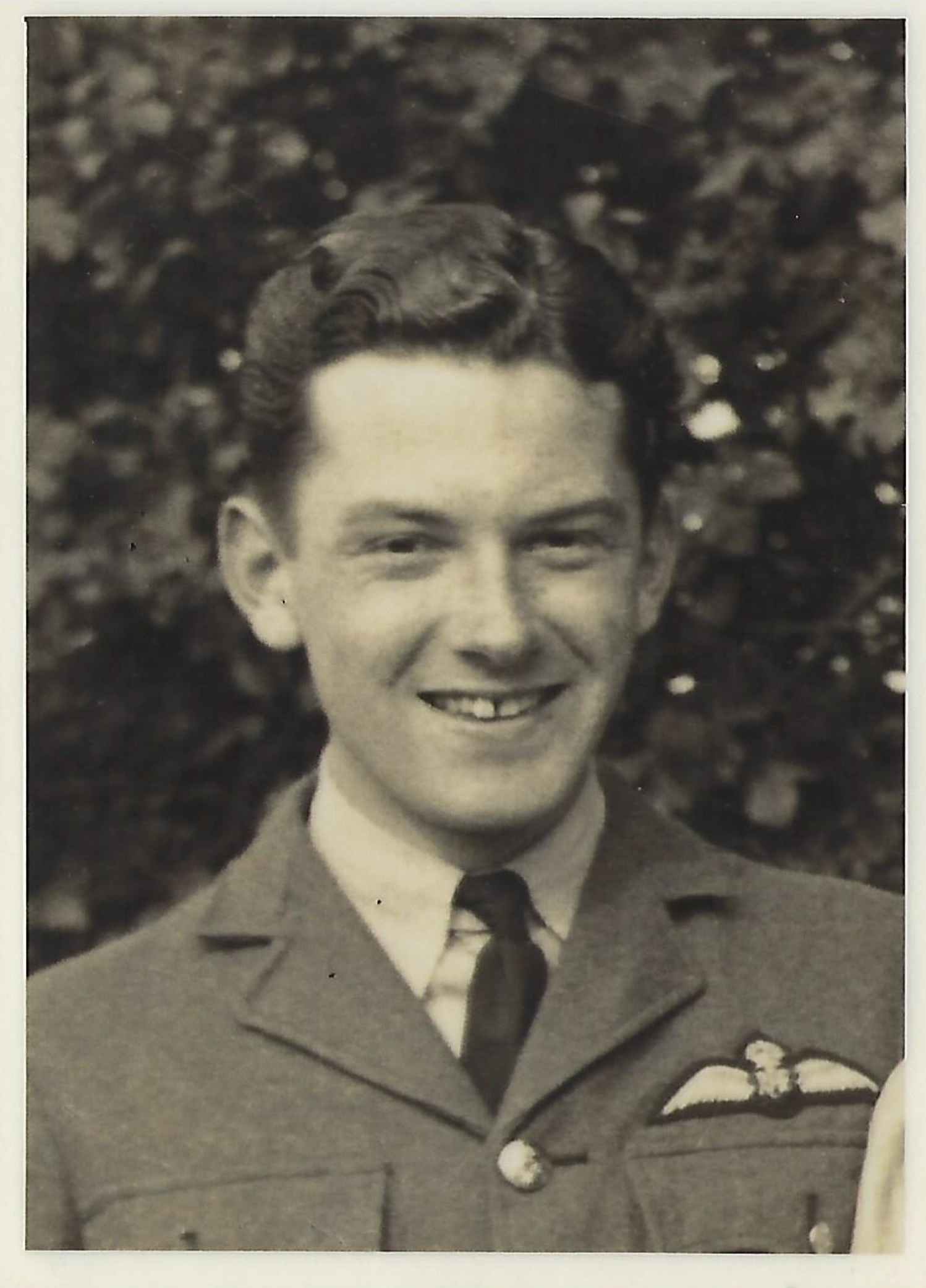
Sergeant Pilot Eric Charles William Turner R.A.F. No 921756
18th July 1919 - 21st September 1941
144 Squadron R.A.F.North Luffenham, Rutland.
It was one of those occasions when one of my “archive files” (that which had been stored to be considered how best to present the information) found its purpose and absolute justification for preserving local information. But first things first; I had never heard of a Hampden Bomber. So, of course I had to find out, seen here in an Imperial War Museum image (MH4642)
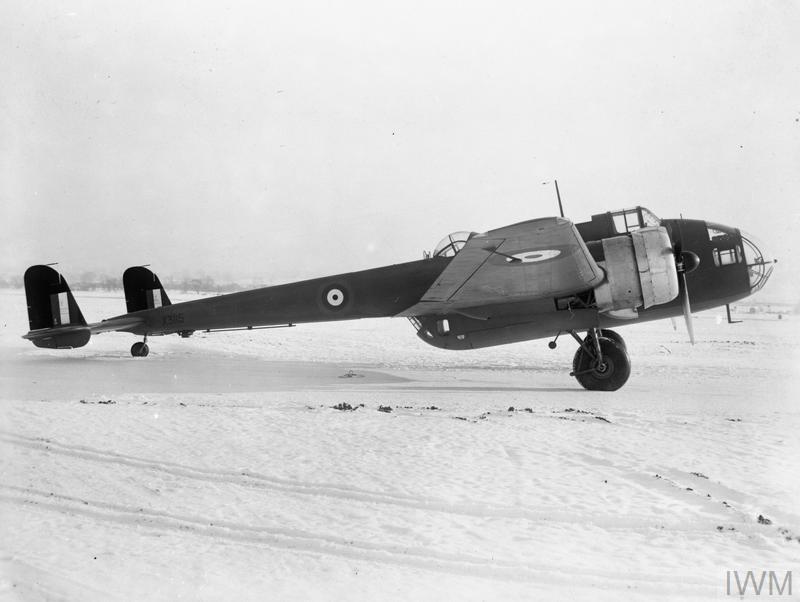
These were known as “Flying Suitcases “ on account of their compact design that was somehow able to accommodate a pilot and 3 crew members. They flew many of the bombing raids of the early war years, being replaced in the public mind with planes of larger capacity, the still familiar names of Halifax, Wellington, Lancaster.
I then thought of the letter that the late David Howe gave to me, received by him in 1989 from former village Policeman, Constable Arthur Johnson. It was written in answer to David’s enquiry for recollections of WW2 aircraft crashes in the vicinity of the village that he had knowledge of. There are several incidents described in the text and one of these recollections seemed a very possible candidate.
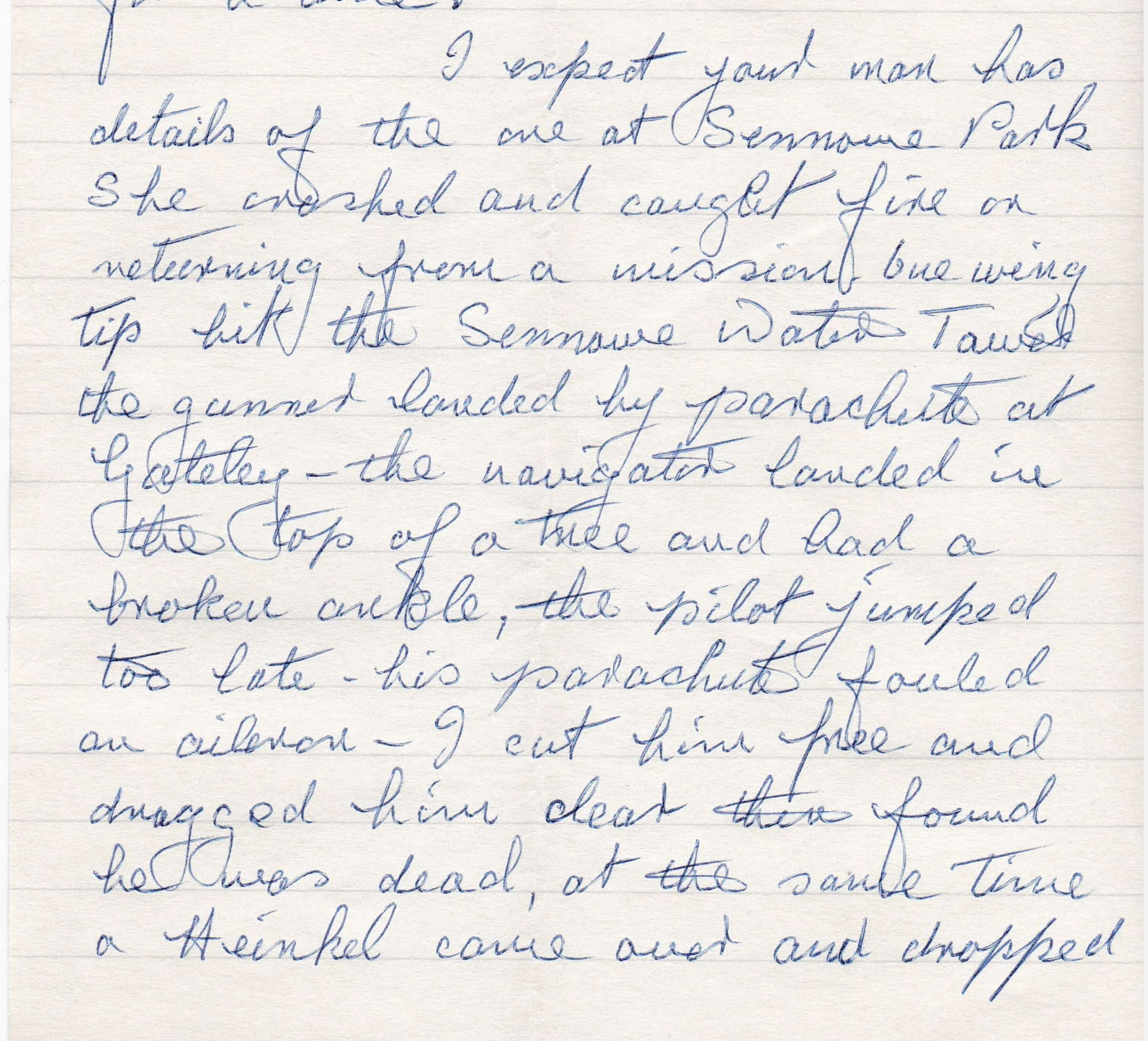
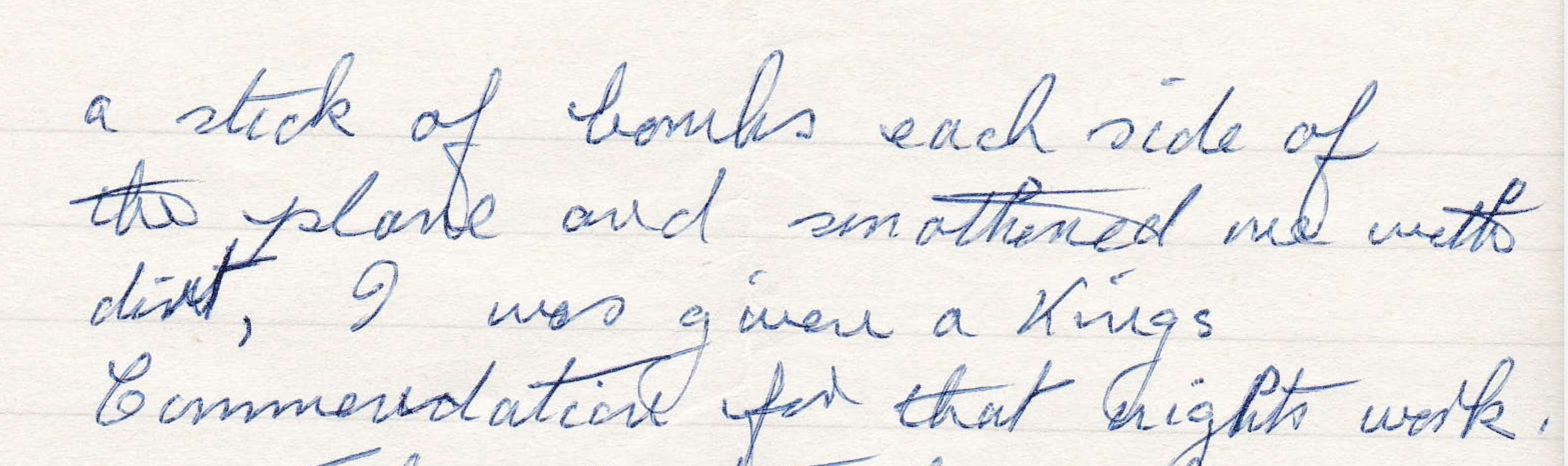
There was no specific location given in the letter but enough information to set Mr Tom Cook on the trail to plot a likely crash site. For me, the last sentence was the key to the next lead to follow, because there should have been some sort of citation or Gazetting connected to such an award. In the meantime Mark from Heacham ,who had also been researching on Australian David’s behalf, had sent a fuzzy image of a microfilm page from the EDP of the Jan 3rd 1942 edition of the paper. Enquiries to the Forum in Norwich revealed that a hard copy of the article was also available to view and photograph. This was duly done and this tells us some more of the story:
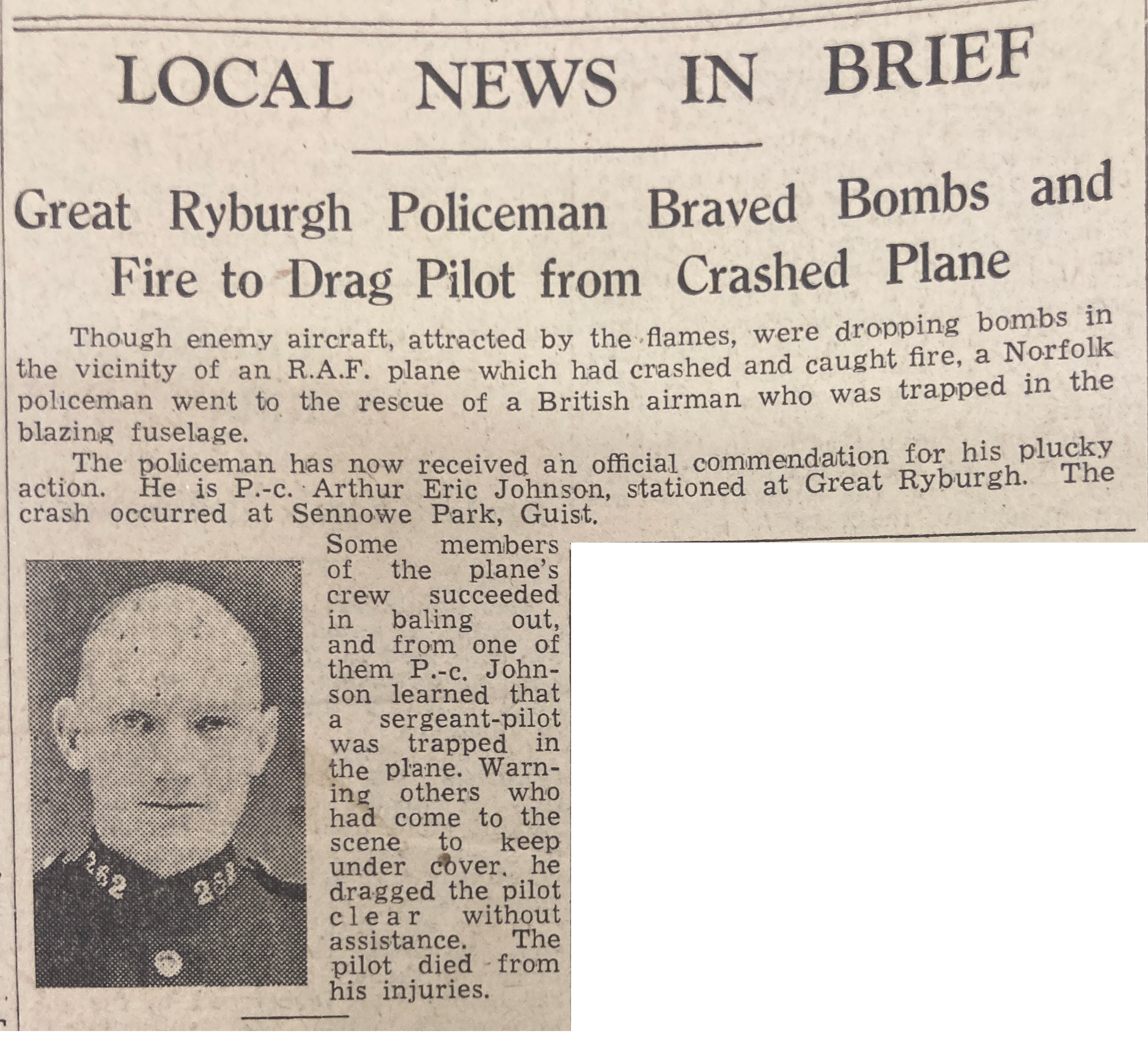
As for a citation, this turned up quite by chance on a basic Ancestry search and produced 5 pages of witness statements and support for an Award. It was initiated by Sir Thomas Cook and submitted for consideration in the British Empire Medal category of the “Interdepartmental Committee on Civil Defence Gallantry Awards - Batch 52 - 23rd October 1941” just a month after the crash. However the contents of that document will have to wait until next month ……….as I don’t have enough space!